Asia · Environment
Rice and Sugarcane Crops Face Early Pressure from Looming El Niño
Thailand and India report agricultural stress as climate forecasters warn of potentially record-breaking weather event
KEY TAKEAWAYS
- ·Thai rice fields and Indian sugarcane plantations are showing crop damage from early El Niño conditions that meteorologists predict could be historically severe.
- ·Thailand and India together account for a significant share of global rice and sugar exports, making production disruptions material for international commodity pricing.
- ·Regional governments are implementing water rationing and issuing agricultural advisories as the next three months will determine whether stress becomes widespread failure.
Early Warning Signs Across the Equator
Agricultural markets across Asia are registering the first signs of stress from an emerging El Niño pattern that climate scientists expect could rank among the most severe on record. Rice fields in Thailand and sugarcane plantations in India are showing visible damage, raising immediate concerns about regional food supplies and commodity prices.
The phenomenon, characterized by warmer-than-average sea surface temperatures in the central and eastern Pacific Ocean, typically disrupts rainfall patterns across the equatorial belt. Countries dependent on monsoon cycles for irrigation face particular vulnerability.
Thailand's Rice Belt Under Strain
Thai rice production, a cornerstone of the country's agricultural exports, is experiencing early-season difficulties. Farmers in key growing regions report delayed planting schedules and insufficient water reserves as rainfall patterns shift. Thailand ranks among the world's largest rice exporters, and any significant production shortfall typically reverberates through global commodity markets.
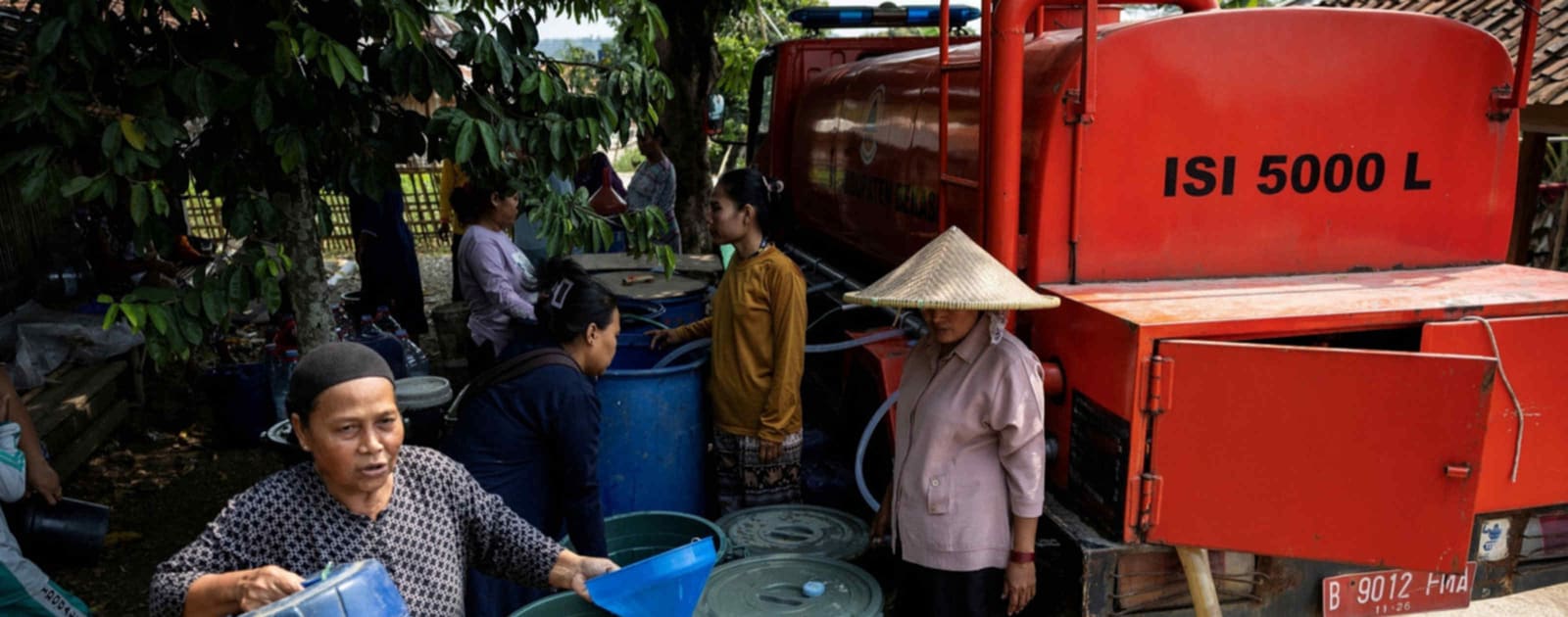
Water distribution agencies have begun rationing supplies in several provinces, prioritizing drinking water over agricultural use. The measures echo responses seen during previous El Niño cycles, though current forecasts suggest this event may exceed historical benchmarks in intensity and duration.
India's Sugar Output at Risk
India's sugarcane belt is confronting similar pressures. The crop requires consistent moisture during critical growth phases, and irregular monsoon patterns have already affected yields in Maharashtra and Karnataka, two of the country's primary sugar-producing states. India supplies roughly twenty percent of global sugar production, making any disruption in its harvest significant for international pricing.
Agricultural authorities have issued advisories encouraging farmers to adopt water-efficient cultivation methods and consider drought-resistant crop varieties for the coming season. The recommendations reflect growing recognition that traditional monsoon reliability can no longer be assumed.
Regional Ripple Effects
Beyond Thailand and India, other equatorial economies are monitoring crop conditions closely. Indonesia has deployed regional disaster agencies to distribute clean water in drought-affected areas, while Australian farmers are preparing for hotter, drier conditions across wheat and cattle regions.
The Philippines, heavily dependent on rice imports to supplement domestic production, faces the dual challenge of reduced regional supply and higher fuel costs that compound transportation expenses. Vietnam, another major rice exporter, is accelerating biofuel development in part to reduce vulnerability to oil price swings that often accompany climate disruptions.
Market Implications
Commodity traders are already factoring El Niño risk into forward contracts for rice, sugar, palm oil, and other agricultural products sensitive to tropical weather patterns. Futures markets have shown increased volatility as participants weigh the likelihood of supply shortages against demand forecasts.
Food security analysts note that the timing of this El Niño cycle is particularly concerning. Global grain inventories remain below long-term averages following recent harvest disruptions in other regions, leaving less buffer capacity to absorb additional supply shocks.
The broader economic implications extend beyond commodity prices. Inflation pressures in food-importing nations could intensify if shortages materialize, complicating monetary policy decisions across emerging markets already navigating post-pandemic recovery paths.
Looking Ahead
Meteorological agencies are maintaining close surveillance of Pacific Ocean temperature patterns, updating forecasts as new data becomes available. The next three months will prove critical in determining whether current crop stress escalates into widespread production failures or remains manageable through adaptive measures.
Agricultural ministries across affected countries are coordinating response strategies, including potential adjustments to export quotas and stockpile releases. The effectiveness of these interventions will depend largely on the El Niño's ultimate strength and duration, variables that remain subject to refinement as the weather pattern develops.
RELATED STORIES

Five ASEAN Members Back Regional Oil Stockpile as Study Nears Completion
Tran Quoc Bao · 3 min

Southeast Asian Firms Overlook Digital Pact Worth USD 2 Trillion
Lim Hui Ying · 4 min
Southeast Asian Factories Adopt Proximity Planning to Retain Workers and Investors
Lim Hui Ying · 3 min

Mitsubishi Motors Shifts Strategy to US and Australia Markets
Aiko Nakamura · 3 min
Spot something wrong? Email editor@briefasia.com. We log every correction publicly.