Technology · Dev
Renesas to Close Takasaki Factory Production Over Next Three Years
Japanese chipmaker will shift its Takasaki site from manufacturing to R&D amid legacy semiconductor supply chain pressures
KEY TAKEAWAYS
- ·Renesas Electronics will shut down production at its Takasaki factory in Japan over the next two to three years, converting the site to research and development.
- ·The move reflects broader pressure on legacy semiconductor manufacturing, particularly for analog and power chips built on mature nodes with lower margins.
- ·Customers in automotive and industrial sectors face potential supply disruptions during the transition, while employees will shift from manufacturing to R&D roles.
Takasaki Production Winds Down
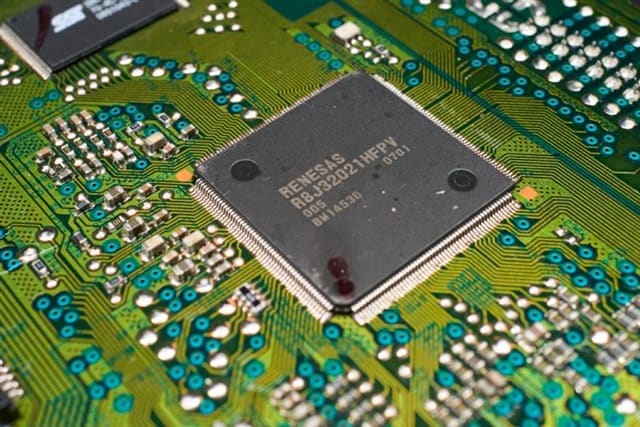
Renesas Electronics will cease manufacturing operations at its Takasaki factory in Japan over the next two to three years, according to the company. The facility will transition to a research and development center as part of a broader strategic shift in how the chipmaker allocates its production capacity.
The Takasaki site currently produces analog and power management chips, categories that have faced persistent supply constraints across Asia. Renesas has not disclosed which products will be moved to other fabs or whether any production lines will be retired entirely.
Legacy Chip Pressures Mount
The decision arrives as semiconductor manufacturers across Japan, Taiwan, and South Korea grapple with aging fabrication equipment and rising costs for mature-node processes. Legacy chips, typically built on 28-nanometer nodes and older, remain essential for automotive, industrial, and consumer electronics but command lower margins than cutting-edge logic chips.
Renesas operates multiple fabrication sites across Japan, including facilities in Naka, Kofu, and Takasaki. Industry observers note that consolidating production into fewer, more efficient fabs can reduce overhead and free up capital for advanced packaging and design work. The company has not announced plans to reduce overall output volume, suggesting production may shift to other domestic or overseas sites.
Workforce and Customer Impact
The phase-out will affect employees currently working in Takasaki's manufacturing divisions, though Renesas has indicated the site will retain a workforce focused on research and development. The company has not released specific headcount figures or timelines for reassignments.
For customers relying on Renesas analog and power chips, the transition introduces uncertainty around lead times and supply continuity. Automotive suppliers in particular depend on stable deliveries of power management ICs, and any disruption during the migration period could ripple through production schedules in Tokyo, Seoul, and beyond.
Regional Manufacturing Landscape
Japan's semiconductor sector has seen a wave of restructuring over the past decade, with companies consolidating fabs, partnering on advanced nodes, and shifting older facilities to research or specialty production. Renesas itself emerged from the 2010 merger of NEC Electronics and Renesas Technology, followed by the 2013 acquisition of parts of Renesas Mobile.
The Takasaki closure adds to a pattern of manufacturers moving away from distributed legacy production toward centralized, higher-utilization sites. Taiwan's mature-node foundries have absorbed some of this demand, but geopolitical concerns and capacity constraints have prompted Japanese and South Korean firms to keep certain production domestic.
What Comes Next
Renesas has not specified which R&D programs will take root at Takasaki, though the company has invested heavily in automotive microcontrollers, power semiconductors, and analog signal chains. Converting manufacturing space to labs and design centers typically requires significant capital expenditure on cleanroom modifications and equipment.
The company is expected to provide more detail on the transition plan in its next earnings update. Investors will watch for clarity on how production volume shifts between sites and whether the move unlocks margin improvements or new product launches. For now, the Takasaki wind-down underscores the difficult economics of legacy chip manufacturing in high-cost markets.
RELATED STORIES

Fujifilm Commits $83 Million to Semiconductor Materials Plant in India
Siti Nuraini · 3 min

Minebea Mitsumi Halts Acquisitions to Prioritise AI Component Demand
Cheng Wei-Lun · 3 min

Kioxia Rules Out SK Hynix Merger, Focuses on Stabilising Memory Chip Prices
Tran Quoc Bao · 3 min
Kioxia Rules Out SK Hynix Manufacturing Partnership Despite Memory Boom
Jun-ho Seo · 3 min
Spot something wrong? Email editor@briefasia.com. We log every correction publicly.