Asia · Politics
Philippines Creates Task Force to Strip VAT, System Loss Charges From Power Bills
Energy department assembles inter-agency group with regulators and distributors to implement presidential directive on electricity pricing reform
KEY TAKEAWAYS
- ·The Department of Energy has formed an inter-agency task force with power regulators and distributors to remove system loss charges and their 12% VAT from electricity bills.
- ·System loss charges compensate utilities for power dissipated through infrastructure inefficiencies and theft, a cost structure long contested by consumer advocates.
- ·The directive requires navigating the Philippines' unbundled electricity market and reconciling VAT revenue implications with consumer relief goals.
Task Force Targets Electricity Cost Relief
The Department of Energy in the Philippines has assembled an inter-agency joint task force to execute a presidential directive aimed at removing two specific charges from monthly electricity bills: system loss fees and the Value-Added Tax applied to those fees. The group brings together power sector regulators and distribution companies in what marks a coordinated push to reduce household and business electricity costs.
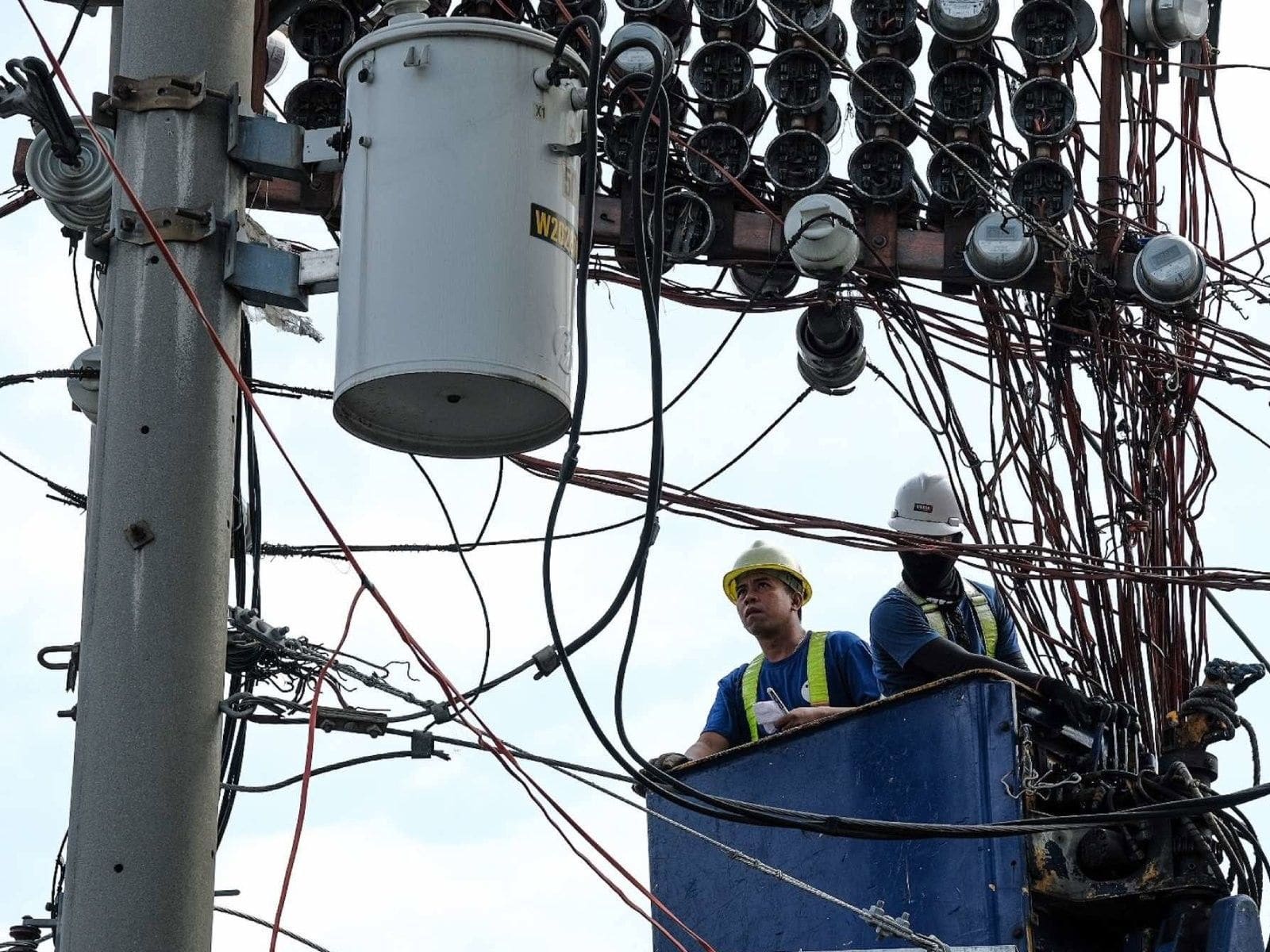
System loss charges compensate distribution utilities for electricity that dissipates through technical inefficiencies in transmission infrastructure or is lost to theft and illegal connections. These fees have long been a point of contention among consumer advocates, who argue that ratepayers should not shoulder the cost of utility inefficiencies or pilferage. The charges typically appear as separate line items on bills, compounded by the 12% VAT that the Philippine tax code applies to most goods and services.
Policy Architecture and Execution
The task force structure reflects the complexity of the Philippine electricity market, which operates under a partially deregulated framework established by the Electric Power Industry Reform Act of 2001. That legislation unbundled generation, transmission, and distribution functions, creating a multi-layered regulatory environment overseen by the Energy Regulatory Commission, the Department of Energy, and the National Electrification Administration.
Removing system loss charges and their associated VAT requires navigating this regulatory architecture. Distribution utilities calculate system loss rates based on technical and non-technical losses, subject to caps set by the Energy Regulatory Commission. Any adjustment to billing practices must reconcile with existing tariff structures, revenue requirements approved through rate cases, and the financial viability of distribution companies, many of which serve rural areas with higher loss rates.
Fiscal and Operational Implications
The VAT component introduces a fiscal dimension. Value-Added Tax on electricity represents a meaningful revenue stream for the national treasury, particularly given the Philippines' tax-to-GDP ratio, which remains below regional peers. Exempting system loss charges from VAT or eliminating the charges altogether will require either compensating revenue measures or acceptance of a narrower fiscal envelope.
For distribution utilities, the directive raises questions about cost recovery. If system loss charges are removed without an alternative mechanism to fund infrastructure upgrades or anti-theft programs, utilities may face pressure to seek rate adjustments elsewhere in the tariff structure. The task force will need to design a transition mechanism that maintains grid reliability and investment incentives while delivering the intended consumer relief.
Regional Context
The Philippines' move comes as several Southeast Asian governments grapple with electricity affordability amid inflationary pressures and currency volatility. Indonesia has frozen certain tariff adjustments for residential consumers, while Thailand's Energy Regulatory Commission has explored subsidy mechanisms to cushion industrial users from global fuel price swings. Vietnam, which also struggles with high system loss rates in its distribution network, has prioritized grid modernization to reduce technical losses rather than shifting costs away from ratepayers.
Manila's approach differs in its focus on removing specific bill components rather than broad subsidies. The success of the task force will hinge on whether it can achieve cost reductions without undermining the financial health of distribution companies or creating unintended distortions in the electricity market. The timeline for implementation remains unclear, as does the scope of any legislative or regulatory amendments required to operationalize the directive.
Consumer electricity bills in the Philippines are among the highest in Southeast Asia, driven by a combination of import dependence for fuel, archipelagic geography that complicates transmission, and legacy inefficiencies in the distribution network. Any relief on system loss charges would be most visible to households and small businesses, which pay the full retail tariff without the volume discounts available to industrial users. The task force's work will be closely watched by both consumer groups and the investment community tracking the Philippine power sector.
RELATED STORIES

Philippines Energy Budget Climbs 26% as Electric Vehicle Funding Surges
Priyanka V. Rao · 3 min

Philippine Water Operator Earmarks $400 Million for Southeast Asia Expansion
Mariel D. Santos · 2 min

Philippine Manufacturing Expands at Fastest Pace Since 2016
Priyanka V. Rao · 3 min

Five ASEAN Members Back Regional Oil Stockpile as Study Nears Completion
Tran Quoc Bao · 3 min
Spot something wrong? Email editor@briefasia.com. We log every correction publicly.