Asia · Business
Philippines Reopens Metro Manila for New IT Ecozone Applications
President Marcos lifts seven-year ban on IT park and center registrations in the capital, targeting foreign investment and digital services growth
KEY TAKEAWAYS
- ·President Marcos signed Administrative Order 45 lifting the 2019 ban on new IT center and IT park applications in Metro Manila, while other ecozone types remain restricted.
- ·The reversal follows recommendations from the Department of Finance and Trade and Industry, responding to investor demand and regional competition from Vietnam, Thailand, and Indonesia.
- ·The Philippine Economic Zone Authority will resume processing IT ecozone applications immediately, with potential benefits for property developers and the business process management sector.
Selective Lifting of Capital Restrictions
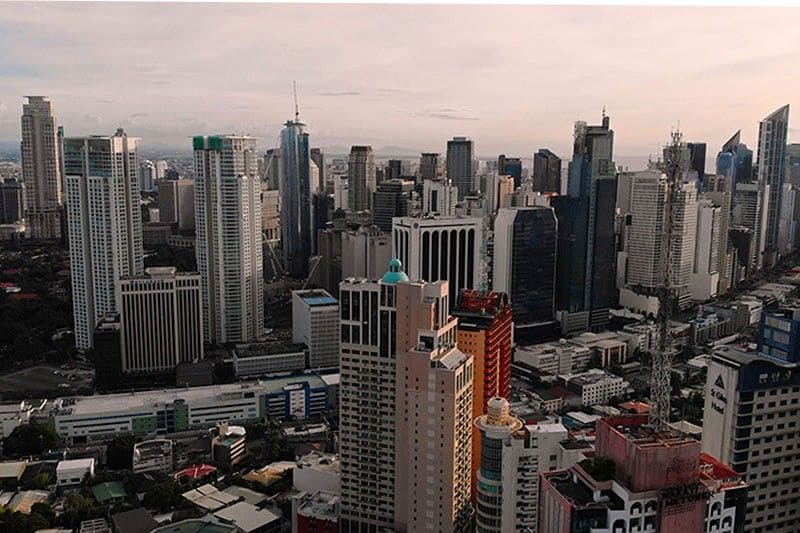
The Philippine government has reversed course on a seven-year policy designed to push development away from the capital. President Ferdinand Marcos Jr. signed Administrative Order 45 this week, allowing new applications for information technology centers and parks in Metro Manila while keeping other ecozone restrictions in place.
The original moratorium, implemented through Administrative Order 18 in 2019 under former president Rodrigo Duterte, blocked all new special economic zone applications in the National Capital Region. The policy aimed to redirect investment toward provincial areas, but industry advocates argued it handicapped the country's most developed technology corridor.
The new order tasks the Philippine Economic Zone Authority with resuming acceptance and evaluation of IT-specific zone applications. Manufacturing, logistics, and other industrial ecozone proposals remain frozen in Metro Manila.
Industry Pressure and Regional Competition
The reversal follows sustained lobbying from the Department of Finance and Department of Trade and Industry, which recommended the change earlier this year. Trade Secretary Cristina Roque said the move addresses investor demand that has built up since 2019, when the capital still dominated the country's business process outsourcing footprint.
Roque framed the policy shift as necessary to maintain competitiveness against other Southeast Asian hubs. Vietnam, Thailand, and Indonesia have all expanded technology infrastructure in their primary cities over the same period, drawing multinational service center investments that might otherwise have landed in Manila.
The business process management sector generates substantial foreign exchange for the Philippines. The industry employed over 1.3 million workers before the pandemic and remains concentrated in Metro Manila and surrounding provinces, despite government efforts to seed provincial hubs in cities like Cebu, Iloilo, and Davao.
Real Estate and Infrastructure Implications
Property developers stand to benefit directly from the policy change. Metro Manila office vacancy rates have fluctuated since remote work reshaped demand, and new IT park designations could absorb excess inventory while justifying fresh construction.
PEZA-registered zones offer fiscal incentives including income tax holidays and duty-free imports of capital equipment. Developers typically build these projects on speculation, banking on tenant demand from outsourcing firms, software companies, and shared service centers.
The administrative order takes effect immediately upon publication in the official gazette or a major newspaper. PEZA has not disclosed how many applications were shelved under the 2019 freeze or how quickly it can process the backlog.
Provincial Development Questions
The partial reversal raises questions about the government's broader spatial development strategy. The 2019 moratorium reflected long-standing concerns about overcrowding, traffic congestion, and infrastructure strain in Metro Manila, which houses roughly 13 percent of the national population but generates a disproportionate share of economic output.
Regional IT hubs have gained traction, particularly in Cebu and Davao, but growth has been uneven. Smaller cities often lack the talent pipelines, international airport capacity, and telecommunications infrastructure that anchor Metro Manila's appeal to multinational firms.
Roque emphasized that the government remains committed to developing provincial technology clusters alongside the reopened capital. Whether investors will prioritize Metro Manila once again, or whether seven years of forced diversification has created durable regional alternatives, will become clear as PEZA begins approving new zones.
The policy also tests the administration's ability to balance competing priorities: attracting foreign capital quickly versus distributing economic opportunities more evenly across the archipelago. For now, the government has chosen to prioritize the former in the IT sector while maintaining geographic restrictions on other industries.
RELATED STORIES

Philippine Water Operator Earmarks $400 Million for Southeast Asia Expansion
Mariel D. Santos · 2 min

Philippines Energy Budget Climbs 26% as Electric Vehicle Funding Surges
Priyanka V. Rao · 3 min
Philippine Manufacturing Expands at Fastest Pace Since 2016
Priyanka V. Rao · 3 min

Five ASEAN Members Back Regional Oil Stockpile as Study Nears Completion
Tran Quoc Bao · 3 min
Spot something wrong? Email editor@briefasia.com. We log every correction publicly.