Asia · Business
Philippines Power Utilities Face Existential Threat Over System Loss Charges
Meralco chairman warns industry cannot absorb tens of billions in costs if consumers are exempted from system loss fees
KEY TAKEAWAYS
- ·Manila Electric Company chairman warned the Philippine power industry may not survive if utilities must absorb tens of billions of pesos in system loss charges without passing costs to consumers.
- ·President Marcos proposed amending electricity laws to remove system loss fees and 12 percent value-added tax from consumer bills following his July 27 State of the Nation Address.
- ·Economist Alexander Escucha cautioned that taxpayers would ultimately bear the costs through increased government subsidies to electric cooperatives rather than eliminating the burden.
Industry Viability at Stake
The Philippines power distribution sector is confronting a potential crisis after Manila Electric Company chairman Manny V. Pangilinan stated that utilities cannot survive if forced to absorb system loss charges without passing costs to consumers. The warning follows President Ferdinand Marcos Jr.'s July 27 State of the Nation Address, in which he proposed amending the Electric Power Industry Reform Act to remove system loss charges from residential electricity bills.
"The bill is too big for the industry to absorb all of it," Pangilinan said. "It's going to impact the entire power industry in this country."
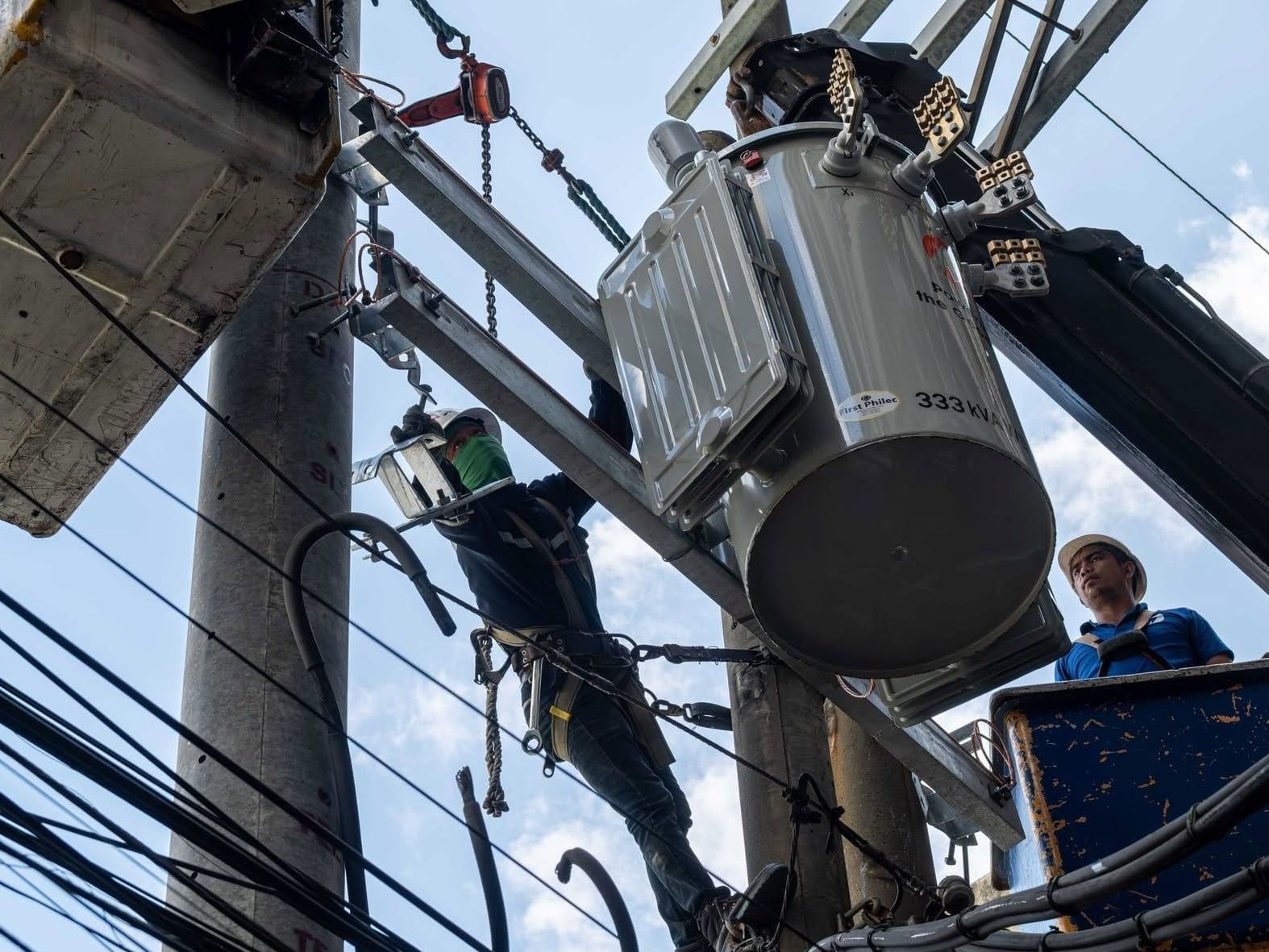
System losses refer to electricity dissipated before reaching end users, a standard operational reality in power distribution networks worldwide. Meralco has characterized these losses as inherent to electricity delivery infrastructure rather than utility-specific inefficiencies.
The Department of Energy clarified that the presidential proposal targets only the excess costs consumers pay for system losses and the accompanying 12 percent value-added tax, not the underlying operational expenses. Malacañang officials emphasized on July 29 that the administration does not intend for utilities to bear the full burden, instead urging companies to strengthen monitoring and anti-theft measures.
Financial Impact Calculations
The cost implications extend across the archipelago's power distribution network. Pangilinan indicated that shouldering system loss expenses would require utilities to absorb tens of billions of pesos annually, a financial load he described as unsustainable for commercial viability.
Meralco and the Philippine Rural Electric Cooperatives Association have offered conditional support for the reform while calling for comprehensive review processes. Both organizations warned that implementation without adequate government mechanisms could push distribution companies toward insolvency.
The 121 non-profit electric cooperatives serving rural areas face particularly acute pressure. These entities operate on thin margins and rely on subsidies from the National Electrification Administration, a state corporation under the Department of Energy mandate to ensure cooperative financial health.
Taxpayer Burden Question
Philippine Economic Society former President Alexander Escucha raised concerns that removing system loss charges from electricity bills would merely shift the cost burden rather than eliminate it. Electric cooperatives facing revenue shortfalls would likely seek increased subsidies from the National Electrification Administration, which draws funding from the national budget.
"In simpler terms, we will still pay for it," Escucha told dzMM on July 30, referring to taxpayers ultimately covering the costs through different channels.
The economist's analysis highlights the zero-sum nature of the policy debate: costs eliminated from one ledger must appear elsewhere, whether in utility balance sheets, government subsidies, or taxation mechanisms.
Policy Implementation Uncertainties
The proposed EPIRA amendment remains in early discussion stages, with no legislative timeline established. Industry stakeholders have emphasized the need for detailed financial modeling and transition frameworks before any regulatory changes take effect.
Marcos framed the initiative as addressing consumer grievances over high electricity costs, arguing that system losses stem from operational and theft issues beyond household control. The Philippines consistently ranks among Southeast Asia's highest electricity cost jurisdictions, a factor that industry groups attribute to archipelagic geography, aging infrastructure, and dependence on imported fuel.
The policy tension reflects broader challenges in Philippine energy economics: balancing consumer affordability against utility financial sustainability while maintaining grid reliability across dispersed island communities. How lawmakers structure any reform will determine whether the burden falls on rate-payers, shareholders, or the public treasury.
RELATED STORIES
Philippine Water Operator Earmarks $400 Million for Southeast Asia Expansion
Mariel D. Santos · 2 min

Philippines Energy Budget Climbs 26% as Electric Vehicle Funding Surges
Priyanka V. Rao · 3 min
Philippine Manufacturing Expands at Fastest Pace Since 2016
Priyanka V. Rao · 3 min

Southeast Asian Firms Overlook Digital Pact Worth USD 2 Trillion
Lim Hui Ying · 4 min
Spot something wrong? Email editor@briefasia.com. We log every correction publicly.