Asia · Business
Philippines Launches Incentive Program to Build Domestic EV Industry
Executive Order 121 establishes task force and investment framework targeting 50% electric vehicle adoption by 2040
KEY TAKEAWAYS
- ·President Marcos signed Executive Order 121 on July 30, creating the Electric Vehicles Incentives Strategy Program with an inter-agency task force to promote local EV and component manufacturing.
- ·The government targets 50% electric vehicle adoption by 2040 and has eliminated tariffs on EVs through 2028 to lower prices and accelerate market entry.
- ·The International Energy Agency projects EVs could reach 45% of Philippine car sales by 2035, driven by tax exemptions, with the new manufacturing policy potentially accelerating that timeline.
New Manufacturing Push
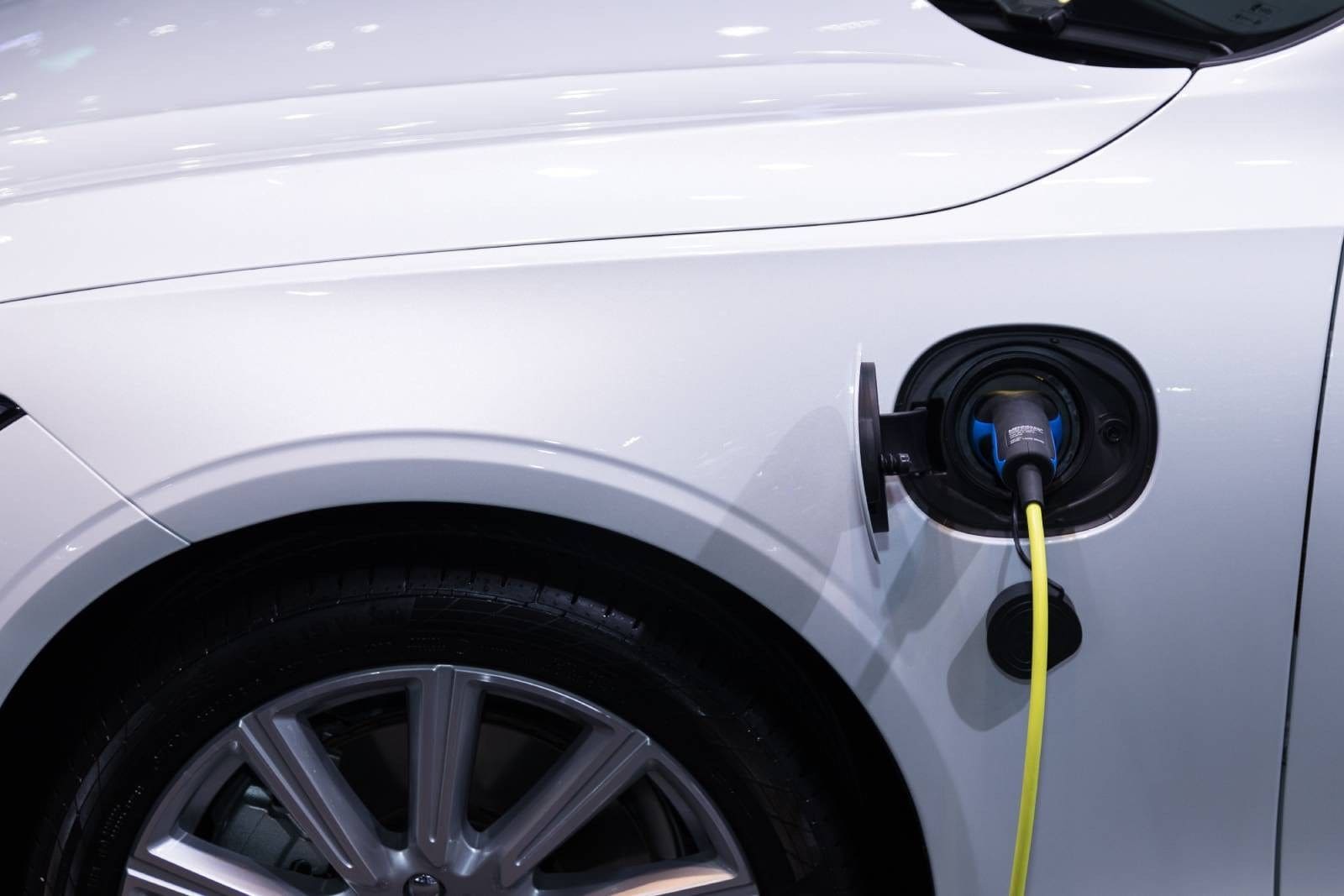
President Ferdinand Marcos Jr. signed Executive Order 121 on July 30, establishing the Electric Vehicles Incentives Strategy Program to develop local manufacturing capacity for electric vehicles and their components. The measure creates an inter-agency task force to evaluate applications and registrations under the scheme, bringing together representatives from the Board of Investments, the Department of Finance, the Department of Energy, the Department of Transportation, and the Department of Budget and Management.
The program aims to attract foreign investment into the sector while building domestic assembly and parts production infrastructure. The order frames EV adoption as central to reducing dependence on imported fossil fuels and meeting greenhouse gas reduction commitments.
Timeline and Tariff Relief
Three days before signing the executive order, Marcos announced during his State of the Nation Address that the government intends to make half the country's vehicle fleet electric-powered by 2040. He confirmed that tariffs on electric vehicles have been eliminated through 2028 to lower consumer prices and accelerate market penetration.
The tariff relief is designed to work in tandem with the manufacturing incentives, creating demand-side pull while the EVIS Program builds supply-side capacity. Marcos framed the dual approach as a hedge against oil price volatility linked to conflict in West Asia, noting that drivers who switched to hybrid and electric models have been insulated from recent fuel price swings.
Regional Context and Projections
The International Energy Agency projected in May that electric vehicles could account for 45% of car sales in the Philippines by 2035, driven largely by continued reliance on import duty and excise tax exemptions. That forecast predates the new manufacturing incentives, suggesting the policy could accelerate the timeline if local production scales quickly enough to compete on price with imports.
Southeast Asia's EV manufacturing landscape remains concentrated in Thailand and Indonesia, both of which have attracted multi-billion-dollar commitments from Chinese and Japanese automakers over the past three years. The Philippines is positioning the EVIS Program as a catch-up mechanism, leveraging its existing electronics manufacturing base and labor cost advantages to carve out a niche in battery assembly and component production.
Investment and Infrastructure Requirements
The executive order does not specify budget allocations or fiscal incentives, leaving those details to the inter-agency task force. Industry observers expect the Board of Investments to extend income tax holidays and duty-free imports of capital equipment, mirroring incentives used in semiconductor and electronics manufacturing zones.
Charging infrastructure remains a bottleneck. Metro Manila and major provincial cities have fewer than 800 public charging stations, compared to more than 12,000 in Thailand. The Department of Energy has signaled plans to mandate charging infrastructure in new commercial and residential developments, but implementation timelines remain unclear.
Market Dynamics and Trade Implications
Eliminating tariffs through 2028 creates a narrow window for importers to dominate the market before local manufacturers can reach competitive scale. Chinese EV brands, already expanding aggressively across Southeast Asia, are likely to capture early share. The task force will need to balance short-term import growth with longer-term localization goals, a tension that has complicated industrial policy in other ASEAN markets.
The 2040 target implies a compound annual growth rate exceeding 20% in EV sales from current levels, requiring sustained policy support beyond the initial tariff holiday. Financing mechanisms for consumer purchases, fleet operators, and public transport electrification will determine whether the target is credible or aspirational.
What Comes Next
The inter-agency task force is expected to publish detailed program guidelines and application procedures within the next quarter. Early indicators of success will include announcements of anchor investments in battery assembly or motor production, partnerships between foreign automakers and local manufacturing firms, and the pace of charging station rollout in key urban corridors. The policy's effectiveness will hinge on execution speed and the government's willingness to sustain fiscal support as tariffs are reimposed after 2028.
RELATED STORIES

Philippines Energy Budget Climbs 26% as Electric Vehicle Funding Surges
Priyanka V. Rao · 3 min
Philippine Manufacturing Expands at Fastest Pace Since 2016
Priyanka V. Rao · 3 min

Five ASEAN Members Back Regional Oil Stockpile as Study Nears Completion
Tran Quoc Bao · 3 min

Southeast Asian Firms Overlook Digital Pact Worth USD 2 Trillion
Lim Hui Ying · 4 min
Spot something wrong? Email editor@briefasia.com. We log every correction publicly.