Finance · Fintech
Philippines Proposes Consumer Data Commission to Unlock Credit Access
House bill would let Filipinos share payment history and subscription data with lenders, targeting millions without traditional credit profiles.
KEY TAKEAWAYS
- ·House Bill 9149 in the Philippines would allow consumers to share up to 24 months of alternative data, including utility payments and subscription activity, with accredited lenders for credit assessment.
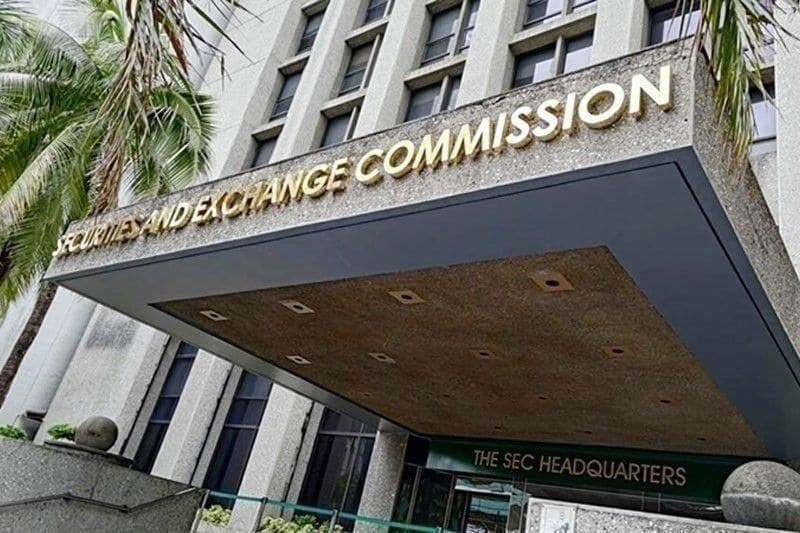
- ·The proposed consumer data commission would be chaired by an SEC commissioner and include representatives from Bangko Sentral ng Pilipinas, privacy, telecom, and competition regulators, plus four private-sector members.
- ·Industry advocates argue the bill addresses the gap between high digital engagement among Filipinos and their lack of legal rights to leverage non-banking data for formal credit access.
A New Framework for Credit Assessment
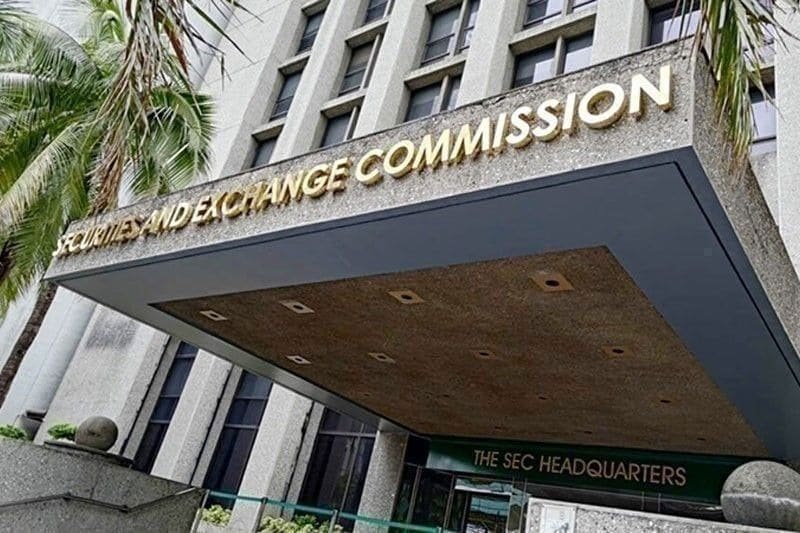
The Philippines is moving to formalize open finance through legislation that would grant consumers the legal right to share their financial and transactional data with accredited lenders. House Bill 9149, known as the Open Finance and Consumer Data Empowerment Act of 2025, aims to close the gap between digital economic activity and formal credit evaluation, according to the Securities and Exchange Commission.
The proposed law would permit Filipinos to authorize the transfer of up to 24 months of alternative data, including utility bill payments, subscription services, and loyalty program activity, to financial institutions for creditworthiness assessment. For borrowers without existing bank loans, credit cards, or deposit accounts, this transaction history offers a pathway to formal credit that current systems do not recognize.
Institutional Oversight Under the Office of the President
The bill proposes the creation of a consumer data commission housed within the Office of the President. An SEC commissioner would chair the body, with a Bangko Sentral ng Pilipinas deputy governor serving as co-lead. Membership would draw from the National Privacy Commission, National Telecommunications Commission, and Philippine Competition Commission, alongside four private-sector representatives with expertise in banking, data protection, or financial technology.
The commission's responsibilities would include establishing technical and security standards for data transfers, accrediting entities authorized to receive consumer information, conducting compliance audits, and enforcing penalties for violations. It would also deliver an annual report to Congress on consumer data rights and conduct a comprehensive review of the law every two years.
Industry Perspective on Market Expansion
Todd Schweitzer, a board member of the Fintech Alliance Philippines, argued that the legislation addresses both access and competition. He noted that while Filipinos are digitally active, they lack the legal mechanism to leverage non-banking data for credit purposes, and institutions are not mandated to provide that data upon consumer request.
Schweitzer described the Philippines as underbanked relative to regional peers, despite high digital engagement. He suggested that the timing is favorable, given existing digital infrastructure and data privacy standards, and that the bill could establish a framework that shifts the industry toward consumer-centric services.
Regional Context and Implementation Questions
The proposal arrives as Southeast Asian governments weigh the trade-offs of open banking regimes. Singapore launched its open finance framework in phases starting in 2022, while Thailand and Malaysia have rolled out consent-based data-sharing pilots. The Philippines has lagged in formalizing these mechanisms, even as fintech adoption has surged.
Key implementation challenges remain unresolved in the current draft. The bill does not specify liability allocation when data breaches occur during transfers, nor does it detail dispute resolution processes for consumers who allege misuse of their information. The accreditation criteria for entities authorized to receive data are also absent, leaving questions about which non-bank fintech platforms would qualify and under what conditions.
The proposed 24-month data window is narrower than Singapore's approach, which allows consumers to share up to seven years of transaction history for mortgage applications. Whether this timeframe will satisfy lenders seeking deeper credit histories, particularly for higher-value loans, is unclear.
Next Steps in the Legislative Process
The bill is currently under consideration in the House of Representatives. If passed, it would require implementing regulations from multiple agencies, including the SEC, Bangko Sentral ng Pilipinas, and the National Privacy Commission, before taking effect. The commission structure itself would need executive appointments and budget allocation, processes that typically extend timelines in Manila.
For the estimated 47 million unbanked and underbanked Filipinos, the legislation represents a potential shift in how creditworthiness is measured. Whether the regulatory architecture can balance innovation with consumer protection will depend on the details hammered out in committee and the rigor of the commission's eventual oversight.
RELATED STORIES
GCash IPO Could Turn Users Into Shareholders
Mariel D. Santos · 3 min
Manila Halts Approvals for Digital Payment Operators Pending Fraud Review
Jun-ho Seo · 4 min
GCash Parent Mynt Clears Final Regulatory Hurdle for Manila IPO
Mariel D. Santos · 3 min
GCash Parent Mynt Wins SEC Approval for $1.6 Billion Manila IPO
Tran Quoc Bao · 3 min
Spot something wrong? Email editor@briefasia.com. We log every correction publicly.