Finance · Fintech
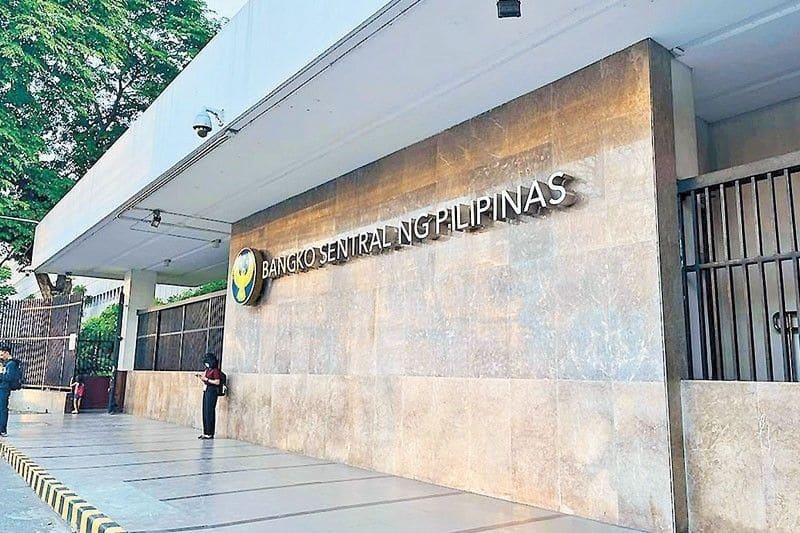
Philippines Central Bank Expands Digital Payment Infrastructure
New interoperability tools will enable seamless transfers between banks and e-wallets, automate recurring payments, and support larger business transactions.
KEY TAKEAWAYS
- ·The Bangko Sentral ng Pilipinas is launching payment infrastructure that enables cross-platform transfers between banks and e-wallets, recurring bill automation, and higher transaction limits for businesses.
- ·The initiative addresses payment fragmentation in the Philippines, where users currently face obstacles moving money across different financial institutions and digital platforms.
- ·Implementation timing remains unspecified and will require coordination across banks, e-wallet providers, and payment processors before broader market availability.
Bridging Payment Silos
The Bangko Sentral ng Pilipinas is introducing a suite of payment capabilities designed to break down barriers between financial platforms. The initiative focuses on three core functions: cross-platform money transfers, automated recurring payments, and expanded transaction limits for business use.
The central bank's move addresses a persistent friction point in the Philippine digital economy. While e-wallet adoption has grown rapidly in recent years, users frequently encounter obstacles when attempting to move funds between different banking institutions and digital payment providers. The new infrastructure aims to eliminate these silos by creating technical pathways that connect previously isolated systems.
What Changes for Users
For retail customers, the most immediate impact will be the ability to transfer funds directly from a bank account to an e-wallet operated by a different financial institution, or vice versa, without relying on workarounds or third-party services. This interoperability extends beyond simple peer-to-peer transfers to include bill payment automation, a feature that has been technically challenging to implement across disparate payment networks.
The recurring payment functionality allows consumers to authorize regular deductions for utilities, subscriptions, and other periodic expenses. Unlike manual payment reminders or single-use authorizations, the new system enables standing instructions that persist until cancelled, similar to direct debit arrangements common in more developed payment ecosystems.
Business Transaction Capacity
The infrastructure upgrade also raises transaction ceilings for commercial payments. While specific limits were not disclosed, the central bank indicated that businesses will be able to process larger-value transactions through digital channels that were previously constrained by lower caps designed primarily for consumer use.
This adjustment reflects the maturation of the Philippine digital payment landscape. Early-stage systems often impose conservative limits to manage risk and fraud exposure. As institutions gain operational experience and build stronger authentication and monitoring capabilities, they can safely accommodate higher-value flows without proportionally increasing vulnerability.
Regional Context
The Philippines has been working to catch up with regional peers in Southeast Asia on digital payment penetration. Singapore, Thailand, and Indonesia have made significant strides in real-time payment systems and cross-platform interoperability over the past five years. Malaysia launched its real-time retail payment platform in 2018, while Thailand's PromptPay system has processed billions of transactions since its 2017 debut.
The Bangko Sentral ng Pilipinas has prioritized financial inclusion and digital transformation as policy objectives, particularly in the aftermath of the pandemic, which accelerated the shift away from cash. The central bank previously set a target for the majority of retail transactions to be conducted digitally, a goal that requires not just adoption of individual platforms but seamless connectivity between them.
Implementation Timeline
The central bank has not announced a specific launch date for the new payment features, describing the rollout as forthcoming. Implementation will require coordination across multiple stakeholders, including commercial banks, e-wallet providers, payment processors, and technology vendors. Each participant must integrate technical standards, update user interfaces, and ensure compliance with security and anti-money laundering protocols.
Industry observers expect a phased deployment, with initial pilots likely involving a limited number of institutions before broader availability. This approach allows regulators and operators to identify technical issues, assess fraud patterns, and refine user experience before scaling to the full market.
The expansion of payment infrastructure represents a structural upgrade to the Philippine financial system, one that should reduce transaction costs, improve user convenience, and support the continued digitization of commerce across the archipelago.
RELATED STORIES

GCash Parent Mynt Clears Final Regulatory Hurdle for Manila IPO
Mariel D. Santos · 3 min

GCash IPO Could Turn Users Into Shareholders
Mariel D. Santos · 3 min
GCash Parent Mynt Wins SEC Approval for $1.6 Billion Manila IPO
Tran Quoc Bao · 3 min

Philippine Capital Inflows Slide as Foreign Firms Curtail Local Lending
Tran Quoc Bao · 3 min
Spot something wrong? Email editor@briefasia.com. We log every correction publicly.