Asia · Trending
Philippine Unemployment Climbs to 4.9% as Job Creation Lags Labor Supply
More Filipinos entered the workforce in June, but the economy failed to generate sufficient positions to absorb the influx, official data show.
KEY TAKEAWAYS
- ·The Philippine unemployment rate rose to 4.9 percent in June from 4.8 percent in May and 3.7 percent a year earlier, according to the statistics authority.
- ·Labor force participation outpaced job creation, with cooling in construction, retail, and BPO sectors contributing to the mismatch.
- ·Policymakers are weighing rate cuts and fiscal stimulus to revive hiring momentum ahead of 2027 midterm elections.
Labor Market Tightens
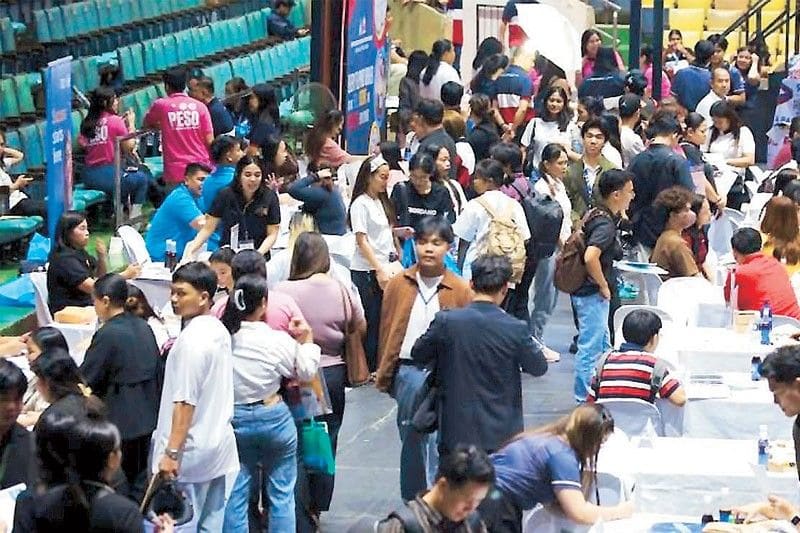
The Philippines recorded a higher unemployment rate in June, with the jobless figure reaching 4.9 percent, according to the Philippine Statistics Authority. National Statistician Dennis Mapa presented the findings from the agency's Labor Force Survey, showing the rate edged up from 4.8 percent in May and marked a notable increase from 3.7 percent a year earlier.
The rise reflects a mismatch between labor supply and demand. More Filipinos sought work during the month, but the economy did not produce enough positions to accommodate the expanded workforce. The gap underscores the challenge facing Manila as it tries to sustain growth while managing demographic pressures in a country of 115 million people.
Regional Context
The Philippines is not alone in grappling with employment headwinds across Southeast Asia. Indonesia and Thailand have both reported softer hiring in manufacturing and services sectors this year, as export demand from China and the United States remains uneven. Vietnam, by contrast, has seen foreign direct investment flow into electronics assembly and garment production, helping to keep its unemployment rate below 2.5 percent.
For the Philippines, the June figure represents a reversal of the steady declines seen through much of 2025, when post-pandemic recovery drove rapid job gains in construction, retail, and business process outsourcing. The BPO sector, which employs roughly 1.5 million Filipinos and generates more than USD 29 billion in annual revenue, has faced slower contract renewals as multinational clients consolidate operations and experiment with automation.
Sectors Under Pressure
Construction activity has cooled after a surge in infrastructure spending tied to the government's Build Better More program. Public works disbursements slowed in the first half of 2026, and private developers have delayed new residential projects in Metro Manila and provincial cities, citing higher interest rates and land costs.
Retail and hospitality, which rebounded strongly in 2024 and 2025, are now contending with softer consumer sentiment. Remittances from overseas Filipino workers, a key driver of household spending, grew just 3.1 percent year-on-year in the second quarter, the slowest pace since early 2023. That deceleration has dampened demand for discretionary goods and travel, crimping hiring at malls, restaurants, and hotels.
Agriculture, which still accounts for roughly a quarter of total employment, has been hit by erratic weather patterns linked to El Niño. Rice and coconut harvests fell short of expectations in several provinces, forcing farmers to cut seasonal labor. The government has announced support measures, including subsidized seeds and irrigation upgrades, but the impact will take months to materialize.
What Comes Next
The uptick in unemployment will likely draw scrutiny from policymakers at Bangko Sentral ng Pilipinas, the central bank, which has held its benchmark rate steady at 6.5 percent since March. Inflation has eased to 3.2 percent, giving the monetary authority some room to consider a rate cut if labor market softness persists. However, officials have signaled caution, noting that external risks, including potential U.S. tariffs on Asian exports and volatility in global energy prices, could complicate the picture.
Fiscal policy may offer more immediate relief. The Department of Budget and Management is preparing a supplemental appropriation for the second half of 2026, earmarking funds for rural employment programs and skills training initiatives. The aim is to accelerate job placement for young workers and those displaced by shifts in manufacturing and services.
Private-sector groups have called for regulatory reforms to ease hiring costs and streamline business permits, arguing that red tape discourages expansion and investment. The Philippine Chamber of Commerce and Industry has proposed a package of measures, including a reduction in mandatory benefits contributions for small enterprises and faster approval timelines for foreign investors in labor-intensive industries.
June's labor force data arrive as the Philippines prepares for midterm elections in 2027, with employment likely to feature prominently in campaign debates. The administration will need to demonstrate progress on job creation to maintain political capital and investor confidence. For now, the trajectory remains uncertain, and the coming months will test whether the economy can reignite the hiring momentum seen in the previous two years.
RELATED STORIES
Philippine Economy Stalls as Investment Collapse Drags Growth to Pandemic Lows
Priyanka V. Rao · 3 min

Philippines GDP Growth Slows to 2.3 Percent, Lowest in 17 Years Outside Pandemic
Priyanka V. Rao · 3 min
Philippine Economy Slows to 2.3% as Energy Crisis and Spending Cuts Bite
Mariel D. Santos · 3 min
Philippine Economy Slows to 2.3% Growth in Second Quarter
Priyanka V. Rao · 2 min
Spot something wrong? Email editor@briefasia.com. We log every correction publicly.