Asia · Business
Philippines GDP Growth Slows to 2.3 Percent, Lowest in 17 Years Outside Pandemic
Frozen infrastructure spending, rising unemployment, and persistent inflation combine to stall Southeast Asia's once-buoyant consumption engine

KEY TAKEAWAYS
- ·Philippine GDP grew just 2.3 percent year-on-year in Q2 2026, the slowest quarterly expansion in 17 years outside the pandemic, with gross capital formation down 9.2 percent.
- ·Unemployment rose sharply, adding 640,000 jobless Filipinos to reach 2.59 million, with retail trade alone shedding 903,000 positions as household consumption growth slowed to 2.8 percent.
- ·Inflation for the poorest 30 percent of households remained at eight percent in July, driven by 15 percent rice price increases, while debt servicing obligations hit 2.005 trillion pesos for fiscal 2026.
Economy Stalls as Multiple Sectors Contract
The Philippine economy expanded by just 2.3 percent year-on-year in the second quarter of 2026, marking the slowest growth rate in 17 years outside pandemic disruptions, according to the Philippine Statistics Authority. The figure signals a sharp deceleration across consumption, investment, and industrial production, raising concerns about the country's ability to meet full-year targets.
Gross capital formation, the measure of new investment in productive capacity, fell 9.2 percent during the quarter. Public infrastructure spending contracted an estimated 43.4 percent year-on-year, according to banking sector assessments, as government project disbursements slowed amid scrutiny following recent procurement scandals. The industry sector as a whole shrank 2.4 percent, dragged down by construction and manufacturing slowdowns.
High borrowing costs compounded the investment drought. The Bangko Sentral ng Pilipinas has maintained a restrictive monetary policy stance after core inflation reached a 31-month high of 4.4 percent in June. That sustained pressure on lending rates has made corporate expansion plans prohibitively expensive, freezing private-sector capital projects alongside the public infrastructure freeze.
Labor Market Deteriorates as Trade and Construction Shed Jobs
Unemployment climbed to 4.9 percent, with the absolute number of jobless Filipinos surging from 1.95 million to 2.59 million over the 12-month period, an increase of nearly 640,000. The wholesale and retail trade sector bore the brunt, shedding 903,000 positions year-on-year, while construction lost 139,000 jobs as building activity contracted.
Underemployment remained elevated at 12.1 percent, affecting 6.11 million workers who are employed but seeking additional hours or better-paying roles. The combination of outright job losses and underemployment has stripped income from hundreds of thousands of households, directly weakening the consumption pillar that typically drives more than two-thirds of Philippine GDP.
The Makati Business Club noted that weaker household spending, reduced investment, and rising electricity costs have weighed heavily on business sentiment. A consumer confidence survey by Roland Berger showed sentiment falling from 53 percent to 35 percent, with shoppers increasingly price-sensitive and prioritizing value over discretionary purchases.
Inflation Divergence Hits Low-Income Families Hardest
While headline inflation has moderated in recent months, the relief has not reached the bottom 30 percent of income earners. For these households, inflation remained at eight percent in July, driven by rice prices that continue to rise at 15 percent year-on-year. Because lower-income families allocate roughly 60 percent of their budgets to food, the sustained spike in staple costs has eliminated nearly all discretionary spending capacity.
Household consumption growth slowed to 2.8 percent for the quarter, a sharp deceleration from previous years. The divergence between headline and core inflation has complicated monetary policy. Core inflation, which excludes volatile food and energy prices, indicates that price pressures have become embedded across the broader economy, limiting the central bank's room to ease rates even as growth falters.
Transport and electricity costs have also remained elevated, further squeezing household budgets. Overseas worker remittances, a traditional buffer for Filipino families, have softened, removing another source of support for consumption.
Debt Servicing Crowds Out Productive Spending
National debt has reached a record 18.9 trillion pesos. For fiscal year 2026, the government faces a total debt service obligation of 2.005 trillion pesos, including 1.055 trillion in principal amortization and 950 billion in interest payments. These obligations are non-discretionary, diverting capital away from education, health, and infrastructure before any programmatic spending can occur.
The debt burden is rerouting productive capital to bondholders and lenders, constraining the government's fiscal space at a time when counter-cyclical spending might otherwise help stabilize growth. Political fragmentation has further complicated policy responses, with analysts warning that the convergence of economic stagnation and intense political division could lead to institutional gridlock ahead of the 2028 presidential election.
Outlook Remains Uncertain
One bright spot in the data was the education sector, which posted 12.7 percent growth, reflecting increased investment in a historically under-resourced area. However, broader economic momentum remains weak, and analysts see little indication of a near-term rebound.
Foreign and domestic investors have adopted a cautious stance, citing elevated political risk and uncertainty around policy continuity. Private capital inflows have slowed, and businesses have deferred expansion plans. Without a coordinated response addressing infrastructure execution, inflation management, and fiscal discipline, the Philippines risks prolonged underperformance relative to regional peers in Southeast Asia.
RELATED STORIES
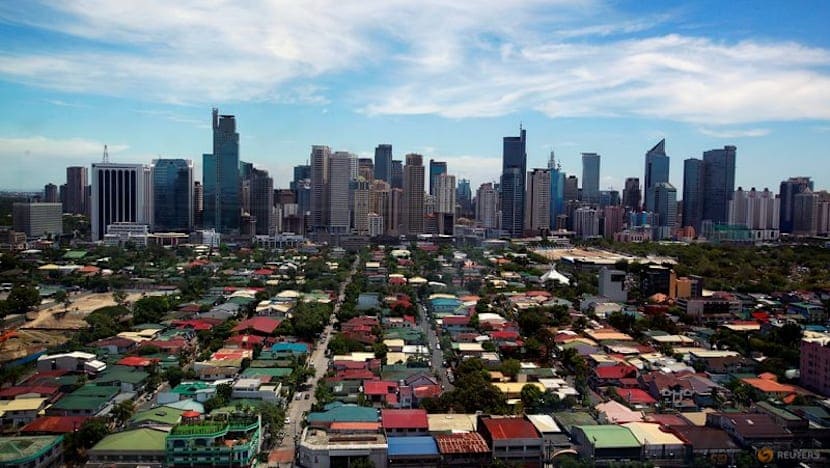
Philippine Economy Slows to 2.3% Growth in Second Quarter
Priyanka V. Rao · 2 min
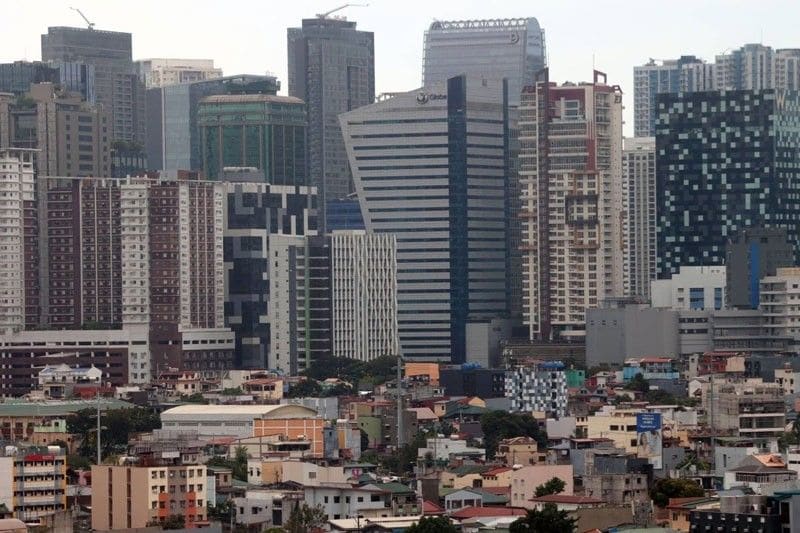
Philippine Economy Stalls as Investment Collapse Drags Growth to Pandemic Lows
Priyanka V. Rao · 3 min
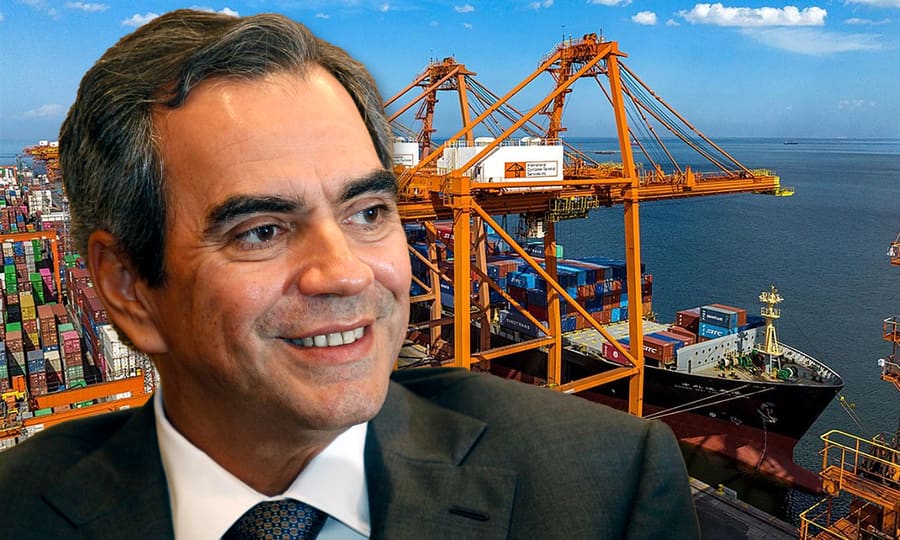
Port Empire Growth Lifts Enrique Razon Jr. to Top of Philippine Wealth Rankings
Priyanka V. Rao · 3 min
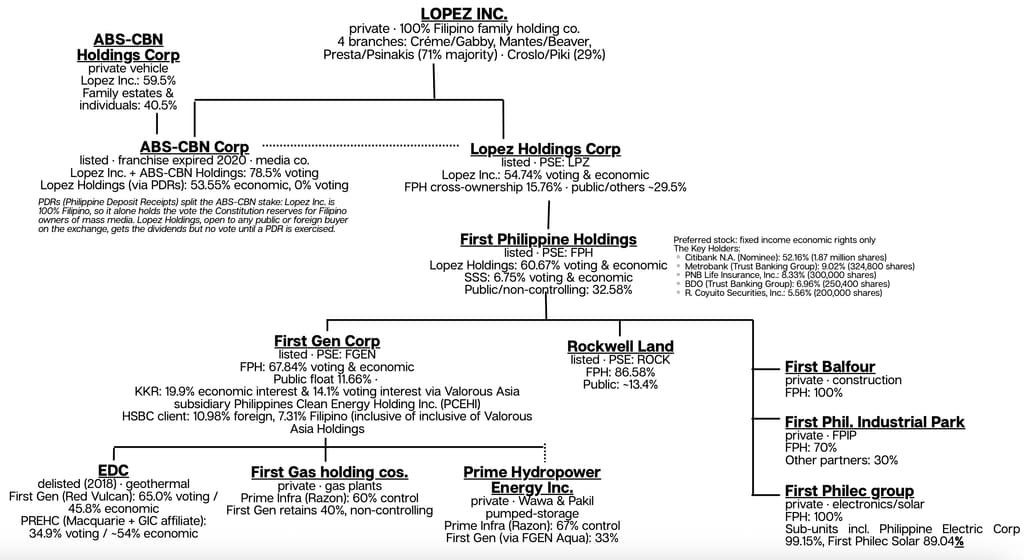
San Miguel's Ramon Ang Takes Quarter Stake in Lopez Holding Company
Priyanka V. Rao · 5 min
Spot something wrong? Email editor@briefasia.com. We log every correction publicly.