Finance · Markets
Philippine Stocks Drop as Late-Session Profit Taking Erases Early Gains
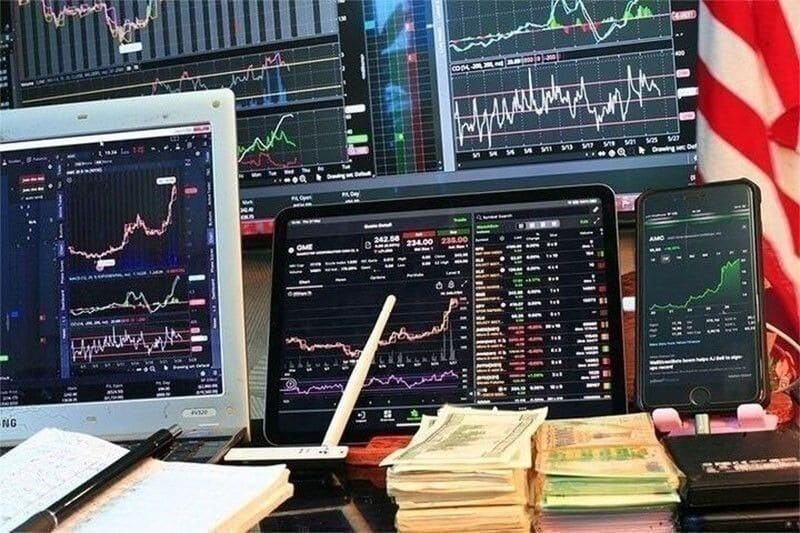
The PSEi fell 0.33 percent to 6,265.72 as investors awaited fresh catalysts and Middle East tensions pressured crude prices ahead of US inflation data.
KEY TAKEAWAYS
- ·The Philippine Stock Exchange index fell 0.33 percent to 6,265.72 on Monday, with late-session selling erasing earlier gains amid foreign net outflows of P673.06 million.
- ·Middle East conflict escalation pushed crude prices higher and revived inflation concerns ahead of Tuesday's US consumer price index release, dampening risk appetite across Manila's market.
- ·The PSEi remains below the 6,300 resistance level, with traders awaiting fresh catalysts and a sustained breakout to support further upside momentum.
Opening Weakness Sets the Tone
Manila's equity market opened the week under pressure, with the Philippine Stock Exchange index shedding 20.98 points to close at 6,265.72 on Monday. The 0.33 percent decline came as investors unwound positions in the final hours of trading, erasing gains accumulated earlier in the session.
The broader All Shares index mirrored the retreat, falling 0.3 percent or 10.11 points to settle at 3,383.23. Despite the downward move, trading volume remained robust at P16.82 billion, suggesting active participation even as sentiment soured.
Regional Tensions and Inflation Fears
Analysts pointed to a confluence of factors weighing on investor appetite. Escalating conflict in the Middle East pushed crude oil prices higher, reigniting concerns about inflationary pressure just as markets awaited Tuesday's US consumer price index release. The timing proved particularly sensitive, with traders reluctant to commit capital ahead of data that could reshape Federal Reserve policy expectations.
Foreign investors extended their selling streak, registering net outflows of P673.06 million for the session. The pattern underscores a cautious stance among international funds as they reassess exposure to emerging Asian markets amid shifting macroeconomic conditions.
Technical Resistance Holds Firm
The PSEi continues to trade below the 6,300 level, a threshold that has capped upward moves in recent sessions. Market observers note that sustained buying interest and a decisive break above this resistance zone would be necessary to support further gains. For now, consolidation remains the dominant theme as participants wait for clearer directional signals.
Six of the seven sectoral indices closed in negative territory. Mining and oil stocks bore the brunt of the selloff, tumbling 2.27 percent as commodity price volatility weighed on sentiment. The industrial sector followed with a 1.02 percent decline. Services provided the sole bright spot, edging up 0.40 percent on selective strength.
Breadth and Individual Movers
Market breadth tilted decidedly negative, with 101 declining issues outnumbering 77 advancers. Another 75 stocks closed unchanged, reflecting the indecision that characterized much of the session.
International Container Terminal Services Inc. emerged as the most actively traded stock, rising 0.30 percent to P988 per share. The port operator's resilience contrasted with weakness elsewhere in the blue-chip space.
Manila Electric Co. fell 2.77 percent to P562, while Bank of the Philippine Islands dropped 0.97 percent to P102. Both names ranked among the session's most heavily traded issues, contributing to the index's overall decline.
Near-Term Outlook
The combination of geopolitical uncertainty and impending US inflation data leaves Philippine equities in a holding pattern. Traders are positioning defensively, unwilling to build significant long exposure without confirmation that global inflation trends remain under control.
The market's ability to reclaim and hold above 6,300 will likely depend on external developments, particularly any shift in risk appetite following the release of American economic indicators. Until then, volatility and range-bound trading appear set to persist, with investors favoring caution over conviction.
Local corporate earnings updates and policy signals from the Bangko Sentral ng Pilipinas could provide additional catalysts in the sessions ahead. For now, the path of least resistance remains sideways, with participants content to wait for clarity before committing fresh capital to Philippine risk assets.
RELATED STORIES
Philippine Stocks Edge Higher as Inflation Cools to Five-Month Low
Jun-ho Seo · 3 min
Philippine Stock Index Falls Below 6,000 as Rate Increase and Currency Pressure Mount
Priyanka V. Rao · 3 min

PhilWeb Trading Halted After P4.2 Billion JKS Tech Bet
Tran Quoc Bao · 3 min

GCash IPO Could Turn Users Into Shareholders
Mariel D. Santos · 3 min
Spot something wrong? Email editor@briefasia.com. We log every correction publicly.