Finance · Markets
Philippine Stocks Close Lower as Profit-Taking Erases Inflation-Driven Gains
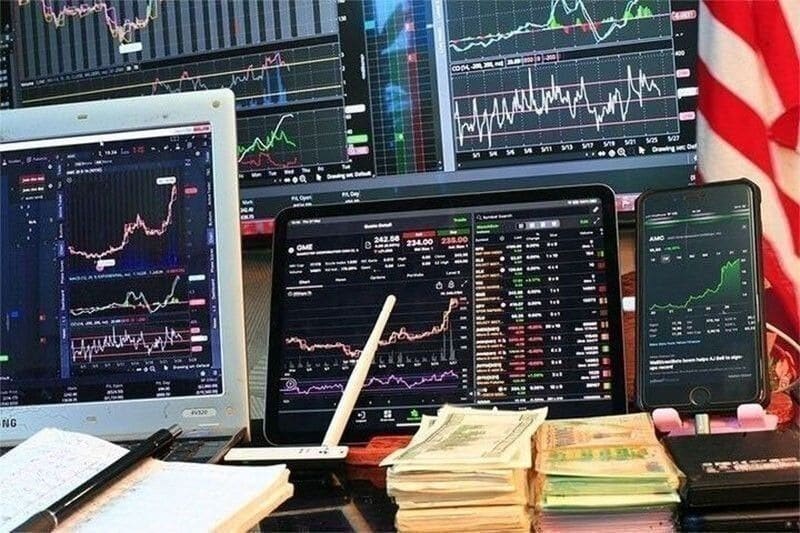
The PSEi slipped 0.16 percent to 6,286.31 as traders locked in recent gains despite softer July inflation data and a strengthening peso.
KEY TAKEAWAYS
- ·The Philippine Stock Exchange index declined 0.16 percent to 6,286.31 as late-session profit-taking erased gains from July inflation cooling to 6.2 percent.
- ·Weakness was broad-based across sectors except mining and oil, with financials and industrials falling most as investors awaited second-quarter GDP data.
- ·Trading volume hit 6.77 billion peso with 102 advancers versus 84 decliners, reflecting cautious positioning ahead of Friday's economic growth release.
Second Straight Decline
Manila's benchmark stock index closed lower for the second consecutive session on Friday, unable to sustain early gains sparked by softer-than-expected inflation data. The Philippine Stock Exchange index shed 10.33 points, or 0.16 percent, to settle at 6,286.31, while the broader All Shares index declined 2.53 points to 3,412.82.
Trading volume reached 6.77 billion peso, with 102 gainers outnumbering 84 decliners. The index failed to hold the 6,300 level despite a supportive macroeconomic backdrop that included July inflation cooling to 6.2 percent from June's 6.4 percent, according to data from the Philippine Statistics Authority. Lower global oil prices and reduced transport costs drove the easing.
Broad-Based Weakness
The selling pressure was broad-based, signaling investor caution ahead of the second-quarter gross domestic product release scheduled for Friday. AB Capital Securities noted that conviction continued to fade even as macro indicators showed improvement, with a stronger peso and declining Brent crude prices adding to the positive backdrop.
Regina Capital observed that traders initially welcomed the inflation data, viewing it as potential support for a more accommodative monetary policy stance. However, momentum reversed sharply in the afternoon session as market participants moved to lock in profits accumulated from recent rallies.
All sectors except mining and oil closed in negative territory. The mining and oil counter surged 4.63 percent, while financials and industrials led decliners, falling 0.33 percent and 0.31 percent respectively.
Top Movers
International Container Terminal Services posted the day's highest turnover value, edging up 0.2 percent to 1,005 peso per share. BDO Unibank dropped 0.49 percent to 123 peso, while Globe Telecom suffered a steeper 3.25 percent decline to 1,755 peso.
The pattern reflects a familiar dynamic across Southeast Asian markets, where strong macroeconomic data often triggers short-term profit-taking rather than sustained rallies. Philippine equities have struggled to maintain momentum this year despite improving fundamentals, as regional investors remain cautious about growth prospects and monetary policy trajectories.
Regional Context
Manila's subdued performance mirrors hesitation seen across emerging Asian markets, where investors are reassessing exposure amid mixed signals from major economies. The Philippines faces additional scrutiny as analysts await GDP figures that will clarify whether domestic consumption and investment can offset external headwinds.
The cooling inflation print offers the Bangko Sentral ng Pilipinas more room to maneuver on rates, but market participants appear reluctant to position aggressively ahead of the growth data. Friday's release will provide critical insight into whether the economy maintained momentum through the second quarter, with consensus forecasts expecting moderate expansion.
The disconnect between improving inflation metrics and market performance underscores the challenge facing Philippine equities. While lower price pressures typically support valuations by reducing input costs and preserving consumer purchasing power, investors are weighing these benefits against concerns about whether domestic demand can sustain corporate earnings growth.
Trading patterns suggest institutional players are taking a wait-and-see approach, unwilling to commit fresh capital until the GDP data confirms the economy's trajectory. The next few sessions will test whether Friday's decline represents temporary consolidation or the start of a deeper correction.
RELATED STORIES
Philippine Equities Face Headwinds as Second-Quarter Growth Hits 17-Year Low
Priyanka V. Rao · 3 min

Philippines Central Bank Fielded 120,000 Customer Disputes in 2025
Priyanka V. Rao · 3 min
Philippine Economy Slows to 2.3% Growth in Second Quarter
Priyanka V. Rao · 2 min

US and Japan Stage First Joint Yen Intervention in 28 Years
Cheng Wei-Lun · 3 min
Spot something wrong? Email editor@briefasia.com. We log every correction publicly.