Asia · Trending
Philippine Price Growth Eases to 6.2% as Transport Costs Moderate
July marks third consecutive month of declining inflation, though rice prices continue climbing and El Niño threatens further food cost pressures
KEY TAKEAWAYS
- ·Philippine consumer prices rose 6.2 percent year-on-year in July, down from 6.4 percent in June, driven by slower transport cost increases of 11.9 percent.
- ·Rice inflation accelerated to 17.1 percent in July from 15 percent in June, the highest level since July 2024 when it reached 20.9 percent.
- ·El Niño weather patterns pose significant upside risk to food prices in the second half of 2026, with food comprising 35 percent of the consumer price index.
Transport Costs Drive Deceleration
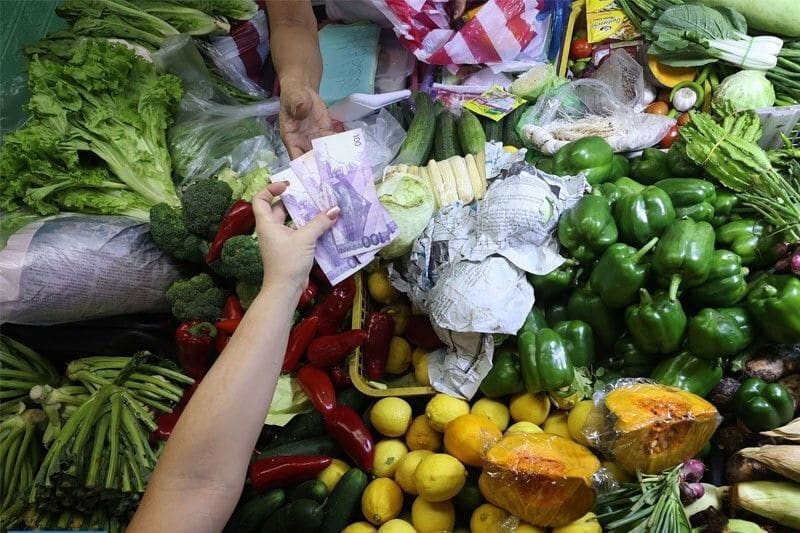
Consumer prices in the Philippines climbed 6.2 percent year-on-year in July, the third consecutive monthly deceleration, according to the Philippine Statistics Authority. Transport costs rose 11.9 percent, down from 12.8 percent in June, providing the main brake on overall price growth.
The July reading fell within the central bank's 5.6 to 6.6 percent projection but remained above the government's two to four percent annual target range. Compared to July 2025's 0.9 percent reading, the current figure reflects substantially higher price pressures across the economy.
Education services rose 1.9 percent, a sharp slowdown from June's four percent increase. Restaurant and accommodation prices climbed 6.8 percent, versus seven percent the previous month. Food inflation held steady at 5.3 percent as lower meat costs and moderating vegetable prices balanced against accelerating rice inflation.
Rice Prices Surge Despite Broader Cooling
Rice costs jumped 17.1 percent in July, up from 15 percent in June and marking the highest reading since July 2024's 20.9 percent spike, according to National Statistician Dennis Mapa. The acceleration in this staple commodity poses particular concern given rice's weight in household budgets across the archipelago.
Government officials acknowledged the persistent challenge. Department of Economy, Planning and Development Secretary Arsenio Balisacan said policy interventions are helping contain price pressures, but emphasized that "our work is far from over." Presidential spokesperson Claire Castro noted that geopolitical tensions in the Middle East and El Niño effects continue to threaten food and energy costs.
The seven-month average inflation rate through July stood at five percent. Mapa cautioned that commodities with substantial index weights, particularly food and electricity, will determine whether the downward trend continues in coming months.
Weather and Supply Chain Risks Ahead
Moody's Analytics assistant director Sarah Tan expects continued disinflation but warned the pace will be slow and uneven, heavily dependent on Middle East developments and their impact on global commodity markets. The approaching El Niño phenomenon represents a significant upside risk, she noted, as hotter and drier conditions in the second half of the year could constrain agricultural output and intensify food supply pressures.
S&P Global Ratings identified the Philippines among Asian economies most exposed to weather-related supply disruptions, alongside India, Vietnam and Indonesia. Food comprises 35 percent of the Philippine consumer price index, one of the highest shares among South and Southeast Asian economies assessed by the rating agency. Agriculture represents approximately nine percent of GDP.
Rice, sugarcane and coconut crops face the greatest El Niño vulnerability, according to S&P. Reduced rainfall could also disrupt hydropower generation, compounding energy price pressures. The rating agency noted that lower precipitation typically reduces crop yields, delays planting and harvesting cycles, and weakens rural incomes.
Government Prepares Contingency Measures
S&P cited advance food imports, contingency planning and farmer coordination as measures that could limit supply disruptions in the Philippines. The debt watcher noted that current food inflation across Asia remains below the widespread surge recorded in 2022, providing policymakers some room to manage expected price increases.
However, fertilizer supply disruptions stemming from Middle East conflicts could complicate agricultural production. Energy prices and transportation costs are already rising across much of the region, creating additional headwinds for household budgets.
The combination of elevated rice prices, looming weather risks and external supply chain pressures will test the government's ability to sustain the recent inflation deceleration. With the central bank's target band still out of reach, policymakers face a delicate balancing act between containing price growth and supporting economic expansion in Southeast Asia's second-largest economy.
RELATED STORIES

Philippines GDP Growth Slows to 2.3 Percent, Lowest in 17 Years Outside Pandemic
Priyanka V. Rao · 3 min
Philippine Economy Slows to 2.3% Growth in Second Quarter
Priyanka V. Rao · 2 min
Philippine Economy Stalls as Investment Collapse Drags Growth to Pandemic Lows
Priyanka V. Rao · 3 min
San Miguel's Ramon Ang Takes Quarter Stake in Lopez Holding Company
Priyanka V. Rao · 5 min
Spot something wrong? Email editor@briefasia.com. We log every correction publicly.