Finance · Deals
Philippine Pension Fund GSIS Lifts Megawide Stake to 9.5 Percent
State investor adds 111.94 million shares in infrastructure builder through block purchases over two months, backing public housing and transit projects
KEY TAKEAWAYS
- ·The Government Service Insurance System acquired 111.94 million shares in Megawide Construction over 60 days, raising its stake to 9.5 percent and 191.71 million total shares.
- ·Megawide is building over 7,000 socialized housing units under the 4PH program and developing three major transit terminals in Baguio, South Luzon, and Cavite.
- ·The company projects 2026 net income of 1.2 billion pesos and 1.8 to 2.0 billion pesos in 2027, following 24 percent profit growth in 2025.
State Pension Fund Builds Infrastructure Position
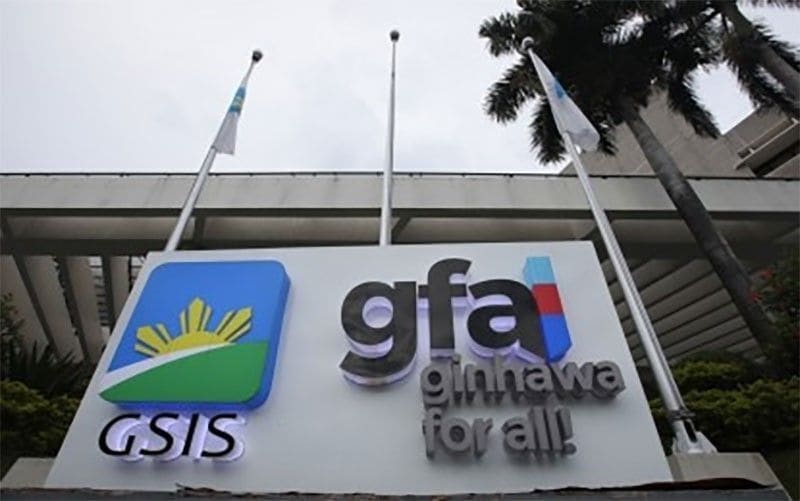
The Government Service Insurance System has expanded its investment in Megawide Construction Corp., acquiring 111.94 million additional shares through a series of block transactions over the past 60 days. The purchases bring GSIS's total ownership to 191.71 million common shares, representing a 9.5 percent stake in the listed engineering and infrastructure company.
The move positions GSIS as one of the largest local institutional investors in Megawide, which builds airports, residential developments, and transit terminals across the Philippines. The pension fund manages retirement and insurance benefits for approximately 2.1 million government employees and dependents.
Housing and Transit Pipeline
Megawide's current project roster includes construction of more than 7,000 socialized housing units under the government's expanded 4PH program, according to the company. The builder entered the partnership with state-owned Pag-IBIG Fund in September 2025 through an endorsement by the Department of Socialized Housing and Urban Development.
The company employs precast construction systems for the housing program, a mechanized technique that assembles prefabricated concrete components on site to accelerate timelines and reduce labor intensity.
Beyond residential work, Megawide is developing three transport-focused projects: the Baguio City Integrated Terminal, the South Luzon Integrated Terminal Exchange, and the Cavite Bus Rapid Transit System. These facilities aim to centralize intercity bus operations and improve commuter flows in provincial and peri-urban areas.
Financial Trajectory
Megawide reported net income of 669 million Philippine pesos in 2025, a 24 percent increase from the prior year, with construction accounting for the largest share of revenue. Property development through its PH1 World Developers unit contributed additional earnings.
First-quarter 2026 results showed net income of 265 million pesos, up 26 percent year-on-year. The company projects full-year 2026 net income of approximately 1.2 billion pesos, with potential growth to between 1.8 billion and 2.0 billion pesos in 2027, driven by its active project pipeline.
Institutional Capital in Philippine Infrastructure
GSIS's increased allocation reflects a broader pattern of state-linked capital flowing into Philippine construction and infrastructure firms. Domestic pension funds and government financial institutions have expanded positions in builders with exposure to public-private partnerships and state-sponsored programs, seeking stable returns linked to fiscal infrastructure spending.
The Philippines has committed multiyear budgets to address housing backlogs and modernize transport networks, particularly in Metro Manila and surrounding provinces. Companies with established government contracting relationships and technical capacity in mechanized construction have drawn sustained institutional interest.
Edgar Saavedra, Megawide's chairman and chief executive, framed the GSIS investment as validation of the company's alignment with national infrastructure priorities. The builder has positioned itself to capture contracts tied to government campaigns addressing housing shortages and urban mobility bottlenecks.
Regional Context
Across Southeast Asia, infrastructure firms with government contract pipelines have attracted institutional capital as states ramp up spending on transport, housing, and utilities. Indonesia, Vietnam, and Thailand have seen similar patterns, with pension funds and sovereign wealth vehicles increasing allocations to domestic builders tied to fiscal programs.
In the Philippines, the 4PH housing initiative and transit modernization campaigns represent multibillion-peso commitments over the next several years. Megawide's exposure to these programs, combined with its precast construction capabilities, has made it a focal point for investors seeking infrastructure exposure without direct project risk.
GSIS's block purchases underscore the fund's view that Megawide's project pipeline and government relationships offer a defensible investment thesis as the Philippines continues infrastructure buildout through 2027 and beyond.
RELATED STORIES

Jollibee Shifts IPO Plans to Hong Kong After US Listing Target
Cheng Wei-Lun · 3 min
JCR Holds Philippines at A- as Growth Slows to Mid-3% Range
Priyanka V. Rao · 3 min
Philippines Central Bank Raises Rate to 5% Despite Economic Slowdown
Priyanka V. Rao · 3 min

PhilWeb Trading Halted After P4.2 Billion JKS Tech Bet
Tran Quoc Bao · 3 min
Spot something wrong? Email editor@briefasia.com. We log every correction publicly.