Asia · Business
Philippine Motorists Face Steepest Fuel Price Drop in Weeks as Mideast Tensions Ease
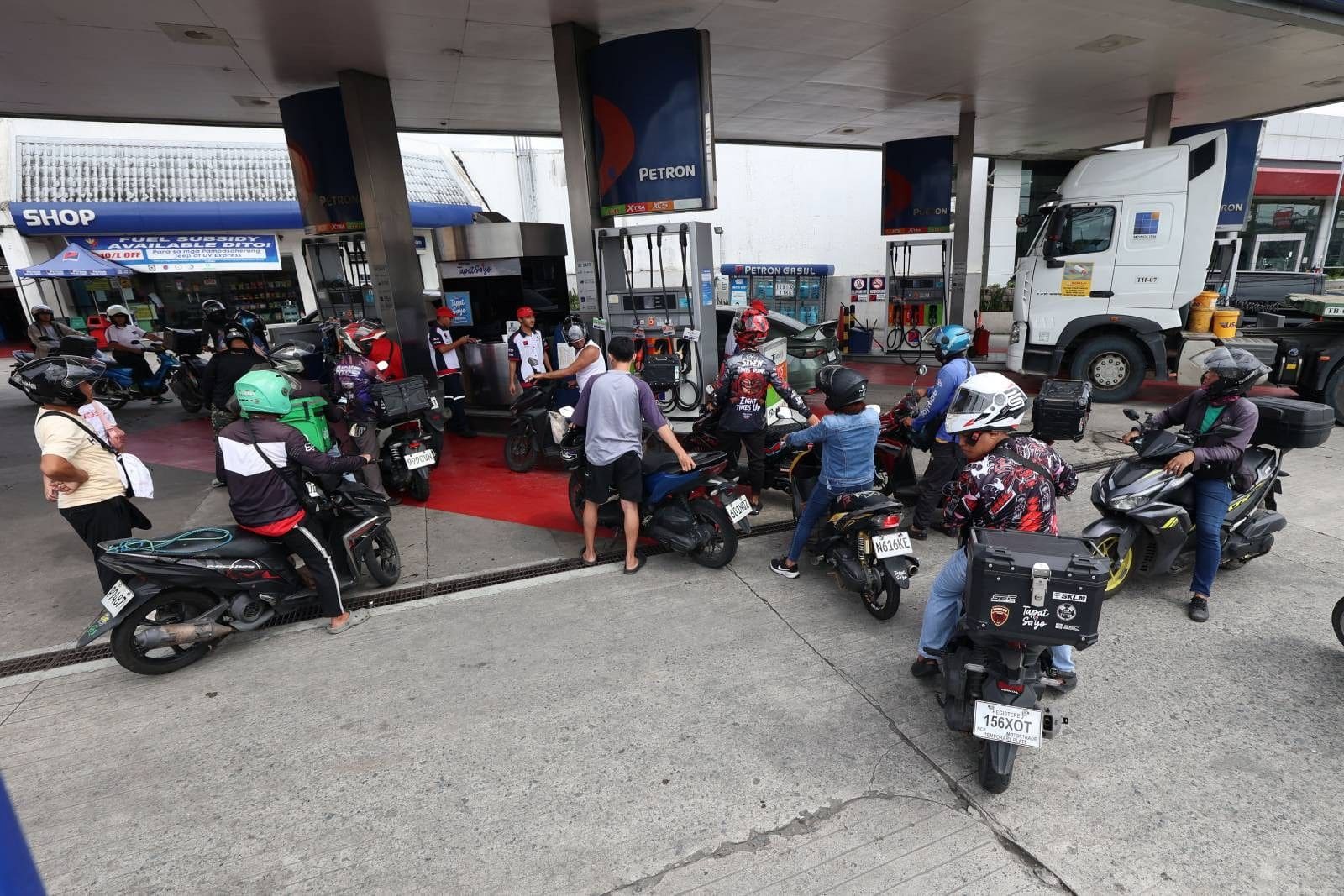
Manila expects gasoline and diesel to fall by over three pesos per liter next week, the largest single cut since early summer, as crude markets respond to a temporary halt in U.S.-Israel strikes on Iran.
KEY TAKEAWAYS
- ·Philippine fuel prices are expected to drop by more than three to four pesos per liter next week, the steepest cut since early June, reversing two weeks of increases.
- ·Global oil benchmarks fell below seventy-eight dollars per barrel after the U.S. and Israel paused strikes on Iran, pulling risk premiums out of crude pricing.
- ·The rollback offers temporary relief for transport operators and households, but OPEC Plus production decisions and seasonal demand could reverse gains by autumn.
Largest Cut Since June on the Horizon
Filipino drivers and logistics firms are set to catch a break at the pump after two consecutive weeks of increases. The Department of Energy announced Friday that domestic fuel prices are likely to decline by more than three to four pesos per liter when oil companies adjust their rates next week, marking the steepest single rollback since early June.
Rino Abad, director of the DOE's Oil and Management Bureau, told local radio that the magnitude of the cut stands out against recent adjustments. This week's rollback amounted to only a handful of centavos, offering little relief to households and businesses still reeling from a summer of elevated transport costs. The agency will confirm exact figures at its regular Monday briefing, but traders and distributors are already preparing for a significant downward revision.
Crude Benchmarks Slide on Geopolitical Pause
The shift in pump economics reflects a broader easing in global oil markets. Brent and West Texas Intermediate futures have both retreated over the past week as traders digested news that Washington and Tel Aviv agreed to suspend further military action against Tehran, conditional on rapid progress toward a negotiated settlement. U.S. President Donald Trump disclosed the arrangement earlier this week, framing it as a tactical pause designed to create diplomatic space.
Iran's government, however, dismissed the announcement as posturing, insisting that its military remains on standby for any escalation. Despite the rhetorical pushback, the absence of new strikes has been enough to pull risk premiums out of crude pricing. Benchmark Brent fell below seventy-eight dollars per barrel on Friday, down nearly six percent from its mid-July peak, when the prospect of a wider regional conflict sent buyers scrambling for supply cover.
For Southeast Asian importers like the Philippines, which sources the bulk of its refined products from Gulf and Northeast Asian refineries, the drop in crude translates directly into lower landed costs. Manila's fuel market is among the most responsive in the region, with oil companies typically passing through international price movements within a week.
Two Weeks of Gains Erased in One Move
The anticipated rollback will more than reverse the increases motorists absorbed over the past fortnight. In late July, pump prices rose by approximately one peso per liter as tensions in the Strait of Hormuz flared and hedge funds rebuilt long positions. A second, smaller increase followed days later, pushing diesel above sixty pesos per liter in Metro Manila and squeezing margins for jeepney operators and provincial bus lines.
Transport groups had begun signaling the need for fare adjustments if prices continued to climb. The looming cut provides breathing room, at least in the near term, and may delay any formal petitions to the Land Transportation Franchising and Regulatory Board. For households, lower diesel and gasoline costs ease pressure on grocery bills, given the Philippines' heavy reliance on road freight for food distribution across its archipelago.
Regional Energy Security Remains Fragile
While the immediate outlook is favorable, the Philippines' vulnerability to oil-price swings underscores the broader challenge facing energy policymakers across emerging Asia. Manila imports nearly all of its crude and refined products, leaving pump prices hostage to geopolitical shocks thousands of kilometers away. The country's strategic petroleum reserve remains modest, and efforts to diversify into liquefied natural gas and renewable baseload have progressed more slowly than originally planned.
Neighboring economies face similar exposure. Thailand and Vietnam, both net importers, have seen diesel subsidies balloon in recent years as governments attempt to shield consumers from volatility. Indonesia, a former OPEC member, now imports more oil than it exports, a structural shift that has forced Jakarta to rethink fuel-subsidy policy and accelerate upstream investment.
The temporary reprieve in crude markets offers Manila a window to revisit its energy transition roadmap. Discussions around expanding solar capacity in Luzon and accelerating offshore wind projects in the Visayas have gained momentum in recent quarters, but execution remains uneven. Domestic refiners, meanwhile, continue to lobby for policy support to upgrade aging facilities and improve yield margins on middle distillates.
What Comes After the Rollback
Traders caution that the current price relief may prove short-lived. OPEC Plus ministers are scheduled to meet later this month to review production quotas, and any decision to extend cuts could tighten supply and lift benchmarks again. Seasonal demand from the Northern Hemisphere's autumn driving season and restocking ahead of winter heating typically add upward pressure in September and October.
Abad noted that the DOE is monitoring trading activity closely, particularly as the last sessions of the week unfold. If Brent holds below eighty dollars through Friday's close, the rollback could edge toward the higher end of the three-to-four-peso range. Conversely, any surprise escalation in the Middle East or disruption to shipping lanes in the Red Sea would reverse the trend almost immediately.
For now, Filipino motorists can expect a tangible reprieve when they refuel next week. Whether that relief extends into September depends on factors well beyond Manila's control, from the durability of the U.S.-Israel pause to the willingness of Gulf producers to keep supply taps open. In a region where energy security and price stability remain tightly intertwined, even a temporary drop in crude offers a reminder of how dependent Asia's growth story remains on the calculus of distant powers.
RELATED STORIES
Philippine Economy Stalls as Investment Collapse Drags Growth to Pandemic Lows
Priyanka V. Rao · 3 min

Philippine Economy Slows to 2.3% as Energy Crisis and Spending Cuts Bite
Mariel D. Santos · 3 min
Philippine Economy Slows to 2.3% Growth in Second Quarter
Priyanka V. Rao · 2 min
San Miguel's Ramon Ang Takes Quarter Stake in Lopez Holding Company
Priyanka V. Rao · 5 min
Spot something wrong? Email editor@briefasia.com. We log every correction publicly.