Asia · Politics
Philippine Infrastructure Spending Falls 35% as Corruption Probe Slows Disbursements
Stricter payment vetting delays contractor reimbursements nearly a year after flood-control scandal, with public works department bearing the brunt of slowdown
KEY TAKEAWAYS
- ·Philippine government infrastructure spending declined 35.3 percent year-on-year in May, driven by stricter payment verification introduced after a flood-control corruption scandal.
- ·The Department of Public Works and Highways faces the most severe delays as enhanced documentation and multi-level approvals slow contractor reimbursements by weeks or months.
- ·Prolonged disbursement bottlenecks threaten the country's infrastructure-led growth strategy and create cash-flow pressures for construction firms and subcontractors.
Disbursement Freeze Deepens
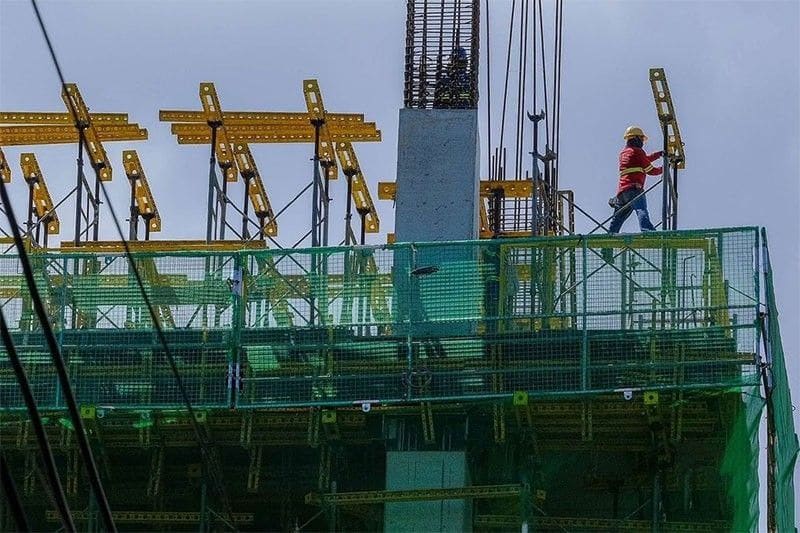
The Philippine government's infrastructure spending contracted by 35.3 percent year-on-year in May, marking one of the sharpest declines in recent years as enhanced scrutiny of contractor payments continues to slow the flow of funds across major public works projects.
The drop reflects the ongoing impact of procedural overhauls introduced after a high-profile corruption investigation into flood-control projects began nearly twelve months ago. Officials have imposed more rigorous verification requirements for payment claims and supporting documentation, creating bottlenecks that have particularly affected the Department of Public Works and Highways, the country's largest infrastructure spender.
The department oversees the majority of the government's road, bridge, and flood-mitigation projects, and the stricter vetting process has left many contractors waiting weeks or months longer than usual to receive payment for completed work. The delays have cascading effects: smaller subcontractors face cash-flow pressures, equipment sits idle on job sites, and project timelines stretch beyond original schedules.
Scandal Aftermath Reshapes Procurement
The heightened scrutiny traces back to revelations last year that implicated officials and contractors in schemes involving inflated cost estimates and phantom deliverables on flood-control infrastructure. Public outcry and legislative hearings prompted the government to implement additional layers of review before releasing funds, a move designed to prevent further misuse but one that has also slowed legitimate disbursements.
Under the new protocols, payment requests now require sign-off from multiple oversight bodies, and documentation standards have been tightened to include photographic evidence of work completion, third-party engineering certifications, and detailed breakdowns of material costs. While these measures aim to restore public trust, they have added weeks to what was already a complex approval process.
The May figure represents the latest in a series of negative monthly readings for infrastructure spending, a sector that had been a cornerstone of the government's economic strategy. The Philippines has relied on infrastructure investment to boost growth, create jobs, and improve connectivity across its archipelago of more than 7,000 islands. A sustained spending slowdown threatens to undermine those goals, particularly as the country competes with regional neighbors for foreign investment and tries to close long-standing infrastructure gaps.
Broader Economic Implications
Infrastructure underspending carries risks beyond delayed project completion. Construction firms, many of which operate on thin margins and depend on timely government payments, have reported liquidity challenges. Some have scaled back hiring or delayed purchases of new equipment, dampening activity in related sectors such as cement, steel, and heavy machinery.
The slowdown also complicates fiscal planning. Budget officials had earmarked substantial sums for infrastructure as part of a multi-year build-out program, but low absorption rates mean those funds remain unspent, creating a gap between appropriation and execution. That gap can distort economic indicators and make it harder for policymakers to gauge the true pace of public investment.
For contractors, the uncertainty extends beyond cash flow. Bid processes for new projects have also slowed as procurement officials apply heightened due diligence to pre-qualification and contract awards. Some firms have reported that tender evaluations now take twice as long as they did before the scandal, adding another layer of delay to an already protracted cycle.
Path Forward Uncertain
Government officials have defended the stricter controls as necessary to safeguard public funds and prevent a repeat of past abuses. They argue that short-term pain in the form of slower disbursements is preferable to the long-term damage caused by corruption, which erodes infrastructure quality and diverts resources from communities that need them most.
Yet the tension between accountability and efficiency remains unresolved. Industry groups have called for streamlined procedures that preserve oversight without paralyzing operations, suggesting measures such as risk-based audits that focus resources on high-value or high-risk contracts while expediting routine payments.
The trajectory of infrastructure spending in the coming months will depend largely on whether the government can strike that balance. If procedural reforms mature and approvals accelerate, disbursements could rebound. If bottlenecks persist, however, the sector faces the prospect of prolonged underperformance, with consequences for economic growth, employment, and the country's competitive position in Southeast Asia.
RELATED STORIES
Philippine Water Operator Earmarks $400 Million for Southeast Asia Expansion
Mariel D. Santos · 2 min

Philippines Energy Budget Climbs 26% as Electric Vehicle Funding Surges
Priyanka V. Rao · 3 min
Seventeen Firms Compete for Manila's $200 Million Geothermal Risk Fund
Priyanka V. Rao · 3 min
Philippine Manufacturing Expands at Fastest Pace Since 2016
Priyanka V. Rao · 3 min
Spot something wrong? Email editor@briefasia.com. We log every correction publicly.