Travel & Dining · Trends
Philippine Airlines Orders 15 Boeing Dreamliners in Fleet Expansion Push
Flag carrier commits to 787-10 jets with option for five more, marking first Dreamliner purchase by Philippine operator and return to Boeing after nearly two decades
KEY TAKEAWAYS
- ·Philippine Airlines signed a memorandum of understanding for 15 Boeing 787-10 Dreamliners with an option for five more, with first delivery scheduled for 2031 and completion by 2034.
- ·The order marks PAL's first Boeing purchase since 2007 and the Philippines' first Dreamliner acquisition, with the 787-10 offering 25 percent better fuel efficiency than earlier aircraft.
- ·PAL expects easier maintenance due to Boeing suppliers operating in the Philippines, including Jamco Philippines, Moog Inc., and Rockwell Collins.
Historic Return to Boeing
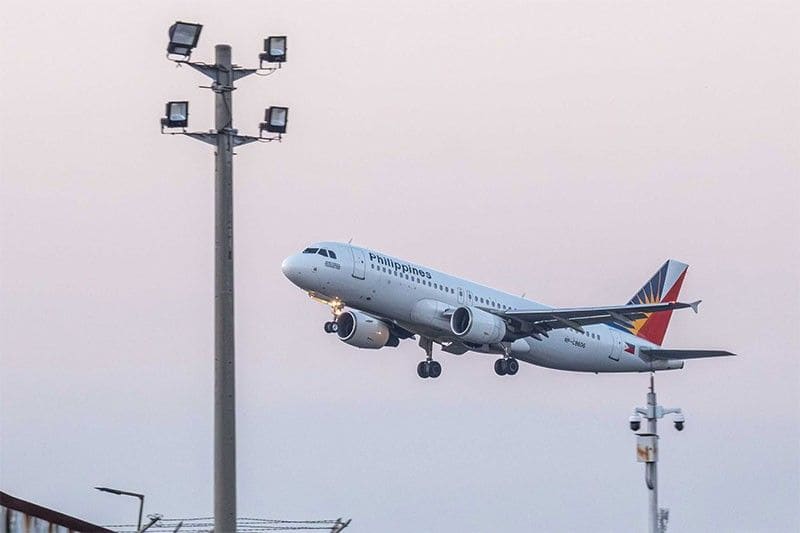
Philippine Airlines has committed to acquiring 15 Boeing 787-10 Dreamliner aircraft, with an option to purchase five additional units, marking the first time a Philippine carrier will operate the wide-body jet type. PAL Holdings Inc. president and chief operating officer Lucio Tan III signed the memorandum of understanding with Boeing during the Farnborough International Airshow on Monday.
The commitment represents a significant shift in the flag carrier's procurement strategy. PAL last placed an order with Boeing in 2007, instead focusing on Airbus for its recent long-haul fleet additions. The airline currently operates 10 Boeing 777-300ER aircraft and is in the process of receiving nine Airbus A350-1000s, with deliveries scheduled for completion in 2027.
The 787-10 variant is the largest member of Boeing's Dreamliner family, designed to accommodate between 300 and 375 passengers depending on cabin configuration. Its maximum range of 13,890 kilometers positions it well for PAL's North American routes, which represent some of the carrier's longest and most commercially important services. The aircraft combines passenger capacity with fuel efficiency, a balance that has made it popular among carriers serving high-density long-haul markets across Asia.
Operational Efficiency and Sustainability
According to Boeing, the 787-10 delivers a 25 percent reduction in fuel consumption compared to earlier-generation aircraft. For an airline operating in a region where jet fuel costs remain volatile and environmental scrutiny is intensifying, this efficiency translates directly into operating cost advantages. Tan emphasized that the aircraft will support PAL's long-term sustainability objectives while enhancing operational performance across medium- and long-haul networks.
"The Boeing 787-10 will strengthen our medium- and long-haul fleet, allowing us to provide an even better travel experience for PAL customers while improving operational efficiency and also supporting our long-term sustainability goals," Tan stated.
The Dreamliner incorporates several passenger-focused design elements that differentiate it from older wide-body types. Features include electronically dimmable windows that eliminate the need for traditional plastic shades, cabin humidity levels higher than conventional aircraft to reduce the effects of dry air during long flights, and advanced air pressure management designed to minimize the physical impact of turbulence. These cabin enhancements have become competitive differentiators in premium long-haul markets, where passenger comfort directly influences airline choice.
Regional Supply Chain Advantage
PAL's selection of the 787-10 reflects a strategic consideration beyond aircraft performance. Several Boeing suppliers maintain manufacturing and assembly operations in the Philippines, including Jamco Philippines, Moog Inc., and Rockwell Collins. This regional supply chain presence is expected to streamline maintenance operations and reduce turnaround times for component servicing, a critical factor for airlines operating complex international schedules.
The presence of these suppliers also positions the Philippines within Boeing's broader Asia-Pacific manufacturing ecosystem. As airlines across the region continue fleet modernization programs, proximity to parts suppliers and maintenance expertise becomes an increasingly important factor in total cost of ownership. For PAL, this domestic supply chain connection offers a competitive edge that extends beyond the initial aircraft purchase.
Delivery Timeline and Fleet Strategy
PAL anticipates receiving its first 787-10 in 2031, with deliveries extending through 2034. This timeline places the Dreamliner entry into service after the completion of the airline's A350-1000 deliveries, allowing PAL to phase in the new aircraft type without overwhelming its training and operational integration capacity.
The staggered delivery schedule also aligns with broader fleet renewal cycles across Southeast Asian carriers. As the region's aviation market continues its post-pandemic recovery and growth trajectory, airlines are balancing immediate capacity needs with longer-term fleet planning. PAL's dual commitment to Airbus and Boeing aircraft provides flexibility across different route profiles and market segments.
The 787-10's entry will give PAL three distinct wide-body types in operation: the 777-300ER for ultra-long-haul services, the A350-1000 for premium long-haul routes, and the 787-10 for high-density medium- and long-haul markets. This fleet diversity allows the carrier to match aircraft economics with route characteristics, a strategy increasingly common among Asian full-service carriers competing with both legacy peers and low-cost long-haul operators.
Competitive Implications
The Dreamliner order places PAL in a select group of Southeast Asian carriers operating the 787 family. While Singapore Airlines, Vietnam Airlines, and Thai Airways already deploy various Dreamliner variants, PAL's commitment to the largest model signals confidence in sustained demand for its international services, particularly to North America where Filipino diaspora traffic remains robust.
The timing of the order also reflects improving financial conditions at PAL following its emergence from pandemic-era restructuring. The airline completed a financial rehabilitation process that reduced debt and restructured obligations, positioning it to make long-term capital commitments. The Boeing order demonstrates that PAL's management views the medium-term outlook for Philippine outbound travel and diaspora traffic as sufficiently strong to justify a fleet expansion of this scale.
For Boeing, the PAL commitment provides momentum in a region where Airbus has dominated recent wide-body orders. The deal also validates the 787-10 variant, which has faced production challenges and seen slower sales compared to its smaller 787-8 and 787-9 siblings. Securing a flag carrier order in a growing Southeast Asian market strengthens Boeing's competitive position as airlines across the region evaluate fleet renewal options over the coming decade.
Regional Aviation Context
Southeast Asia's aviation sector is projected to experience some of the world's fastest passenger growth rates through 2035, driven by rising middle-class incomes, urbanization, and increasing regional economic integration. Philippine outbound travel has grown particularly quickly, fueled by strong remittance flows from overseas workers and expanding business travel demand.
PAL's fleet expansion occurs as Manila prepares to open a new international terminal at Ninoy Aquino International Airport and as secondary Philippine airports expand capacity. Improved infrastructure will allow the flag carrier to deploy larger aircraft more efficiently and expand frequencies on key international routes. The 787-10's combination of capacity and range makes it well-suited to serve both established markets like Los Angeles and San Francisco, and emerging destinations where demand is building but not yet sufficient for the larger 777 or A350.
The order also reflects a broader shift in Philippine aviation policy, which has encouraged flag carrier investment and international expansion as part of efforts to position Manila as a regional hub. While the Philippines has historically lagged Singapore, Bangkok, and Kuala Lumpur in hub development, recent infrastructure investments and airline fleet commitments suggest ambitions to capture a larger share of regional connecting traffic.
RELATED STORIES
Philippine Carriers Face Fuel and Currency Headwinds Amid Fleet Growth
Mariel D. Santos · 3 min

GCash IPO Could Turn Users Into Shareholders
Mariel D. Santos · 3 min

Philippine Stocks Edge Higher as Inflation Cools to Five-Month Low
Jun-ho Seo · 3 min

Jollibee Shifts IPO Plans to Hong Kong After US Listing Target
Cheng Wei-Lun · 3 min
Spot something wrong? Email editor@briefasia.com. We log every correction publicly.