Travel & Dining · Trends
Pattaya's Tourism Industry Calls for Crackdown on Unlicensed Operators
Over 70% of accommodation providers lack proper licensing as industry group demands stricter enforcement and regulatory reform
KEY TAKEAWAYS
- ·More than 70% of accommodation providers in Chon Buri, Phuket, and Chiang Mai operate without proper licenses despite annual increases in approvals.
- ·Foreign investors exploit a regulatory loophole for small properties by subdividing land into pool villa clusters that evade hotel licensing requirements.
- ·Tourism operators are calling for stricter enforcement against unlicensed tour companies and entertainment venues, as well as updated zoning rules.
Licensing Crisis Grips Resort Destination
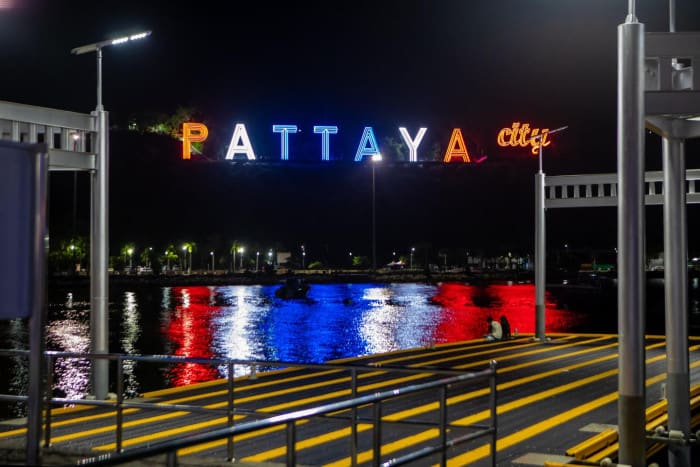
Tourism operators in Pattaya and Chon Buri province are pushing Thailand's Ministry of Tourism and Sports to address a sprawling unlicensed accommodation sector that now accounts for more than 70% of lodging providers in the region. The same licensing gap extends to major destinations including Phuket and Chiang Mai, according to the Association of the Chonburi Tourism Federation.
Thanet Supornsahasrungsi, president of the federation, said that while authorities issue more licenses annually, the pace has not kept up with the explosion of supply. The regulatory bottleneck stems from overlapping requirements spanning the Building Control Act, municipal planning codes, and environmental statutes. Even properties that satisfy building regulations often cannot meet the additional layers of compliance.
Tourism and Sports Minister Surasak Phancharoenworakul met with the federation and other stakeholders in Pattaya on Friday to discuss measures aimed at strengthening the sector during the low season and improving safety standards.
Foreign Nominees Exploit Regulatory Loophole
A well-intentioned rule that exempts properties with eight rooms or fewer and capacity below 30 guests from hotel classification has inadvertently opened the door to large-scale evasion. Foreign investors have exploited the exemption by acquiring sizable land parcels, subdividing them, and developing clusters of pool villas that operate outside the hotel licensing framework. These arrangements allow offshore capital to capture revenue while sidestepping the compliance burden faced by local operators.
The federation has asked the Tourism Ministry to coordinate with the Interior Ministry, which administers hotel regulations, on measures that would bring more properties into the formal system. One proposal is to revive a temporary provision that allowed buildings opened before August 2016 to apply for licenses even if they did not meet the strict definition of a hotel under the Hotel Act. That provision lapsed last year.
In the interim, the federation is urging government agencies to book only licensed hotels for official events, creating a compliance incentive through procurement policy.
Illegal Tour Operators Undercut Licensed Firms
Unlicensed tour companies operating through foreign nominee structures have proliferated along Pattaya's roadsides, offering rental cars and package tours to international visitors at prices below those charged by licensed competitors. The Tourism Department maintains records on many of these operators but lacks full enforcement authority, requiring coordination with the Tourist Police to conduct on-site inspections and pursue legal action.
The gap between registration and enforcement has allowed a parallel market to flourish, eroding the competitive position of businesses that invest in proper licensing and insurance.
Entertainment Venue Safety Under Scrutiny
A recent fire at an unlicensed Bangkok pub has intensified concerns about the night-time economy. Many entertainment venues in the Pattaya area now operate outside designated zoning districts to follow shifting patterns of tourist demand, creating noise complaints from residents and raising questions about fire safety and building standards.
The situation reflects weak enforcement and creates opportunities for corruption among licensing officials, according to Thanet. The federation is calling on the government either to enforce existing zoning rules strictly or to update those rules to reflect current tourism geography.
Airport Capacity and Immigration Concerns
The federation also raised two operational issues with the minister. Immigration processing at Thai airports has slowed despite measures aimed at preventing criminal activity, creating bottlenecks for arriving passengers. The group is urging the ministry to attract more direct international flights to U-tapao airport in Rayong province, which could relieve congestion at Bangkok's Suvarnabhumi hub while distributing tourist arrivals more evenly across the Eastern Economic Corridor.
Chon Buri's tourism sector faces external headwinds this year from geopolitical tensions, but internal regulatory dysfunction poses a more immediate threat to the competitiveness of operators who comply with the law. Whether the government moves quickly enough to level the playing field will determine whether licensed businesses can survive the low season and compete with the shadow economy that has taken root across Thailand's resort belt.
RELATED STORIES
Thailand's $14 Tourist Levy Draws Industry Pushback Over Backpacker Impact
Siti Nuraini · 3 min

Thailand Targets 5 GW Rooftop Solar Push to Cut LNG Exposure
Priyanka V. Rao · 3 min

Mitsubishi Motors Brings Back Pajero SUV With Thailand Launch
Cheng Wei-Lun · 3 min
CIMB Commits to 55% Dividend Floor as Regional Portfolio Offsets Indonesia Pressure
Priyanka V. Rao · 4 min
Spot something wrong? Email editor@briefasia.com. We log every correction publicly.