Finance · Deals
Parkway Life REIT's First-Half Payout Climbs 14.6% on Singapore, France Rents
Distribution per unit reaches S$0.0877 despite forex headwinds and tenant departures in Japan nursing home portfolio
KEY TAKEAWAYS
- ·Parkway Life REIT's distribution per unit rose 14.6 percent to S$0.0877 in the first half, up from S$0.0765 a year earlier, despite revenue declining 1.6 percent to S$77.1 million.
- ·Distributable income climbed 14.6 percent to S$57.2 million, driven by annual rent review formulas in Singapore hospitals, step-up leases in France, and the absence of a prior-year France tax provision.
- ·Net property income fell 2 percent to S$72.4 million due to yen depreciation and tenant exits at five Japan nursing home properties, offsetting gains in Singapore and France portfolios.
Distribution Growth Outpaces Revenue
Parkway Life Real Estate Investment Trust delivered a distribution per unit of S$0.0877 for the six months ended June 30, marking a 14.6 percent rise from S$0.0765 in the same period last year. The payout advance came even as the trust's headline revenue slipped 1.6 percent to S$77.1 million, down from S$78.3 million a year earlier.
The divergence between topline pressure and distribution growth reflects the mechanics of the trust's lease structures across its three geographic segments. Singapore hospital assets and the France nursing home portfolio both benefited from contractual rent escalations, while the Japan portfolio faced currency and occupancy challenges.
Distributable income climbed 14.6 percent to S$57.2 million, up from S$49.9 million in the prior corresponding period. The manager attributed the gain to higher rental contributions from Singapore hospitals under their Annual Rent Review formula, step-up lease terms in France, and the absence of a France tax provision that had been recognized in the first half of the previous year.
Japan Headwinds Offset Singapore Gains
Net property income declined 2 percent year on year to S$72.4 million, compared with S$73.8 million previously. The revenue contraction stemmed primarily from two factors: depreciation of the Japanese yen against the Singapore dollar, and lower rental income following tenant exits at five nursing home properties in Japan.
The Japan portfolio has been a drag on performance this year, with the yen weakening significantly against regional currencies. Currency translation losses compressed reported income from the trust's 46 nursing home and healthcare facilities in Japan, even as underlying operations remained stable.
Tenant departures at a handful of Japan properties also weighed on revenue. The trust has yet to disclose whether replacement tenants have been secured or whether the affected properties will undergo repositioning.
Singapore and France Portfolios Drive Upside
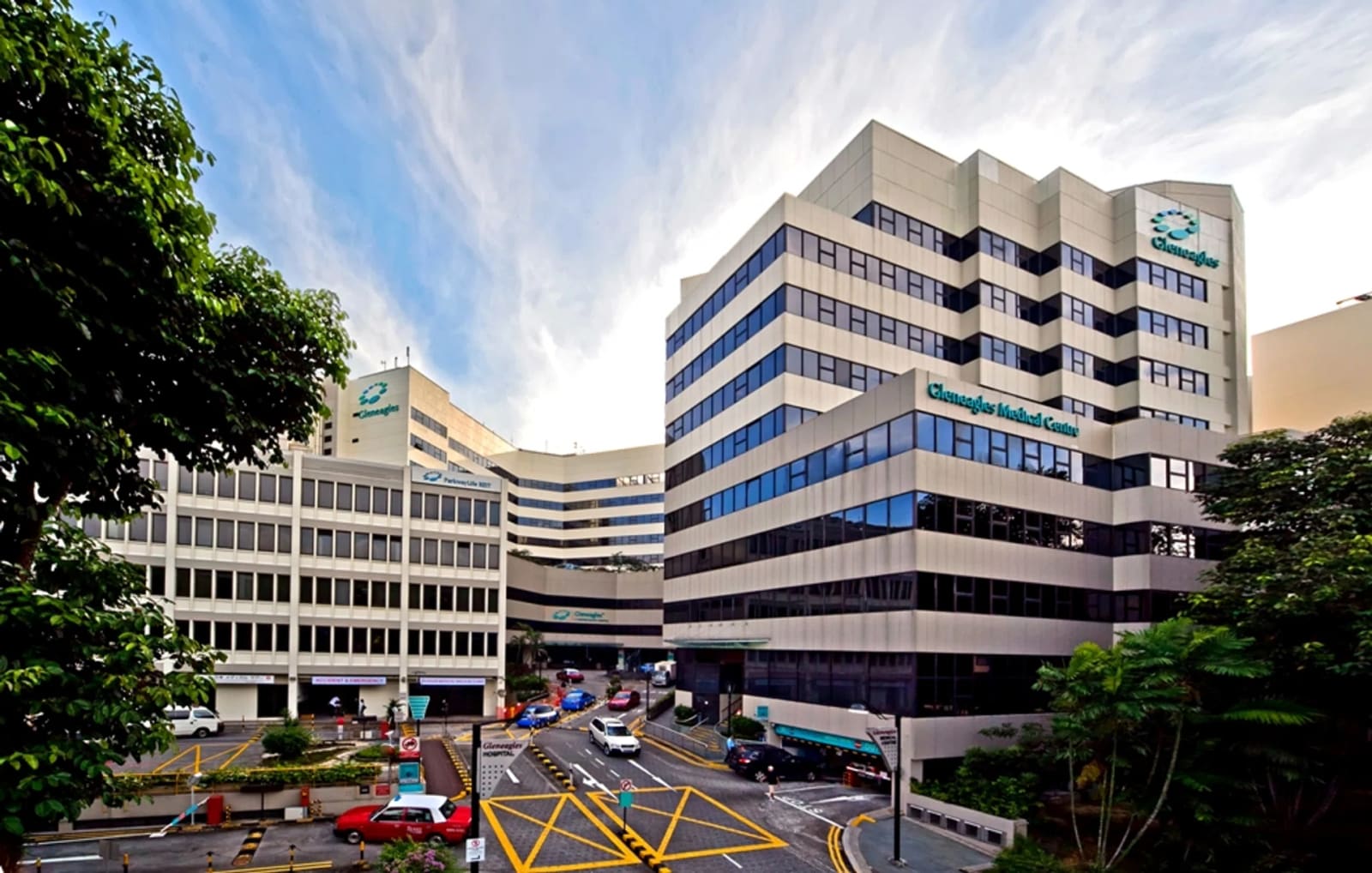
The Singapore hospital segment continues to anchor the trust's income profile. Parkway Life REIT owns three hospitals in the city-state, including Gleneagles Hospital, Mount Elizabeth Hospital, and Mount Elizabeth Novena Hospital. All three are leased to Parkway Pantai, a subsidiary of IHH Healthcare, under master lease agreements with built-in annual rent review mechanisms.
These review formulas typically adjust rent based on a combination of Singapore's Consumer Price Index and a fixed percentage escalator, ensuring that rental income keeps pace with inflation and operational cost increases. The current environment of elevated inflation has worked in the trust's favor, delivering higher rental contributions during the review period.
The France portfolio, which consists of 16 nursing homes operated under long-term leases, also contributed positively through step-up lease arrangements. These contracts feature predetermined annual rent increases, providing visibility and stability to cash flows. The absence of the prior year's tax provision further boosted distributable income in the first half.
Distribution Timeline and Unit Performance
The distribution will be paid out on September 8 to unitholders. On Tuesday, August 4, Parkway Life REIT units closed 0.2 percent higher at S$4.23, a modest gain following the results announcement.
The trust's distribution yield remains attractive relative to Singapore-listed healthcare REITs, supported by its defensive asset class and diversified geographic exposure. Healthcare real estate continues to benefit from structural tailwinds, including aging populations in Singapore, Japan, and Europe, and rising demand for specialized care facilities.
Portfolio Composition and Strategy
Parkway Life REIT's portfolio is concentrated in three markets: Singapore, Japan, and Malaysia. The Singapore hospitals represent the largest share of asset value and income contribution, while the Japan and Malaysia nursing homes provide diversification and exposure to different healthcare subsectors.
The trust has historically maintained a conservative capital structure and focused on assets with long-term, inflation-linked leases to master tenants with strong credit profiles. This strategy has delivered stable income through economic cycles, though it also limits upside during periods of rapid rental growth in more dynamic property sectors.
The manager has not disclosed near-term acquisition plans, though the trust retains capacity to pursue accretive deals in its core markets. Healthcare real estate transactions in Asia have picked up in recent quarters as institutional investors seek inflation-hedged income streams.
Outlook Considerations
The trust's performance in the second half will depend on the trajectory of the Japanese yen, tenant retention in the Japan portfolio, and the pace of rent escalations in Singapore and France. Currency volatility remains a key variable, with the yen's direction influenced by the Bank of Japan's policy stance and regional capital flows.
In Singapore, healthcare demand continues to grow as the population ages and chronic disease prevalence rises. The government's push to expand intermediate and long-term care capacity should support utilization and rental growth for hospital operators, flowing through to landlords like Parkway Life REIT.
France's nursing home sector faces its own set of challenges, including regulatory scrutiny over care standards and operator profitability. However, the trust's long-term lease structures with fixed escalators insulate it from short-term operational volatility, provided tenants remain solvent and renew upon expiry.
Japan's nursing home market remains competitive, with supply additions in certain prefectures outpacing demand. The trust will need to monitor occupancy trends and tenant credit quality, particularly if macroeconomic conditions weaken or demographic shifts accelerate in rural areas where some properties are located.
RELATED STORIES

Singapore REITs Raise S$4.5 Billion in Nine Months as Fundraising Momentum Extends Into 2026
Priyanka V. Rao · 3 min

Blackstone's AirTrunk Lines Up S$2 Billion Loan for Singapore REIT IPO
Anand Sundaram · 3 min

Blackstone's AirTrunk Pursues $1.6 Billion Loan Ahead of Singapore REIT Listing
Jun-ho Seo · 3 min

Singapore Dollar Gains Ground as Currency Diversification Pick
Tran Quoc Bao · 2 min
Spot something wrong? Email editor@briefasia.com. We log every correction publicly.