Finance · Markets
Palm Oil Prices Set to Hold Steady as El Niño Threatens Malaysian Yields
Weather pattern expected to slash fresh fruit bunch output by up to 14 percent in first year, with southern states bearing the brunt
KEY TAKEAWAYS
- ·RHB Research maintains overweight rating on plantation sector with crude palm oil price targets of RM4,400 per ton for 2026 and RM4,300 for 2027 as El Niño threatens supply.
- ·Malaysian Palm Oil Board projects fresh fruit bunch yields will decline 10 to 14 percent in the first year of El Niño impact, with peak dryness expected between October 2026 and January 2027.
- ·Southern peninsular states Negeri Sembilan, Johor, Pahang and Sabah face highest exposure, with yield recovery requiring two years of stable rainfall after the weather pattern breaks.
Weather Pattern Echoes 1997 Crisis
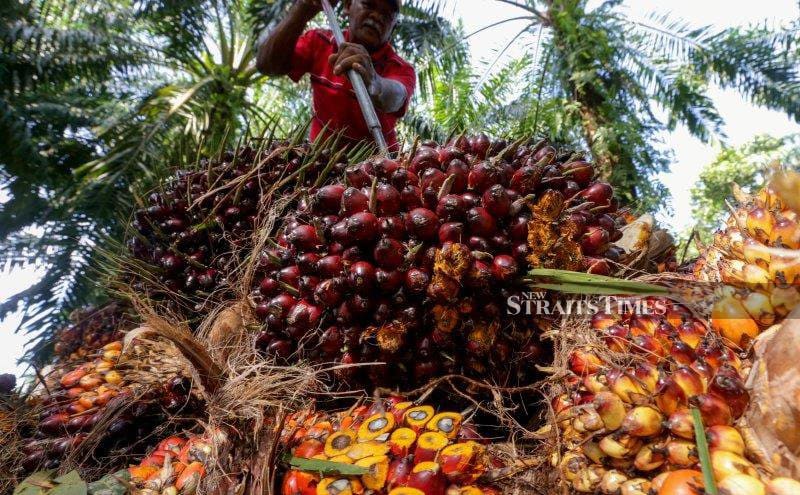
Malaysian palm oil markets are bracing for a supply crunch as meteorological indicators point toward a strong El Niño event materializing by the fourth quarter, potentially rivaling the intensity of the 1997-1998 episode that hammered regional agriculture for over a year.
RHB Research reaffirmed its overweight rating on the plantation sector, keeping crude palm oil price forecasts at RM4,400 per metric ton for 2026 and RM4,300 for 2027. The firm's stance hinges on anticipated production disruptions from prolonged dry conditions that typically accompany El Niño cycles in Southeast Asia.
Malaysian Palm Oil Board agronomists project fresh fruit bunch yields will contract between 10 and 14 percent in the initial year of El Niño impact, with an additional three to four percent decline should dry spells persist into subsequent growing seasons. The board expects this cycle to mirror the very strong 1997-1998 event in both duration and severity, requiring roughly two years of stable rainfall for yields to normalize once the pattern breaks.
Peak Dryness Window Narrows
Current rainfall patterns across Malaysia's plantation belt have not yet reflected the full force of the developing weather anomaly. Analysts project the most acute moisture deficits will emerge between October 2026 and January 2027, a window that coincides with the critical fruit development phase for oil palm.
The geographic distribution of expected impacts skews heavily toward peninsular Malaysia's southern corridor and eastern Sabah. Negeri Sembilan, Johor, and Pahang, which collectively account for a substantial share of national palm oil output, sit squarely in the projected high-risk zone. Sabah's eastern coastal plantations face similar exposure.
RHB Research noted that while the El Niño signal has strengthened in recent weeks, the firm is awaiting confirmation of the pattern's full intensity before adjusting its price assumptions upward. The cautious posture reflects uncertainty around whether moisture stress will materialize as severely as historical precedents suggest.
Supply Dynamics Favor Prices
The price floor RHB has set assumes no dramatic improvement in competing vegetable oil supplies from South America or shifts in global demand patterns. Indonesia, the world's largest palm oil producer, faces comparable El Niño risks, though its plantation geography spreads exposure more evenly across islands.
Malaysia's palm oil inventory levels entering the dry season will prove critical in determining how quickly price pressures build. Lower stockpiles amplify the impact of any production shortfall, while elevated reserves provide a buffer that can dampen spot market volatility.
The plantation sector has historically outperformed broader equity indices during El Niño years, as supply-driven price rallies more than offset margin compression from higher input costs. Fertilizer and water management expenses typically rise during extended dry periods, but the revenue lift from elevated palm oil prices has consistently outweighed those drags.
Regional Vulnerability Mapped
Johor's plantation belt, stretching from the southern tip northward through Kluang and Mersing, represents the single largest concentration of at-risk acreage. The state's dry season typically runs milder than northern zones, but El Niño inverts that pattern by suppressing convective rainfall tied to Indian Ocean sea surface temperatures.
Pahang's eastern estates, which rely on monsoon moisture during the second half of the year, face a double bind if El Niño weakens the northeast monsoon while simultaneously elevating evapotranspiration rates. Sabah's situation differs slightly, with exposure concentrated in areas lacking robust irrigation infrastructure.
Smallholder producers, who operate roughly 40 percent of Malaysia's oil palm acreage, possess less financial and technical capacity to mitigate drought stress through irrigation or soil amendments. Yield declines among this segment often exceed those on large estates, amplifying the aggregate supply impact.
The two-year recovery timeline cited by agronomists underscores the lagged nature of palm oil production responses. Oil palms require sustained moisture and nutrient uptake to rebuild canopy health and fruit-setting capacity after stress events, meaning the market impact of this El Niño could extend well into 2028 even if rainfall normalizes by mid-2027.
RELATED STORIES

Malaysian Equities Climb in Morning Session as Regional Investors Weigh Oil Price Rally
Anand Sundaram · 3 min

Malaysia's KLCI Index to Add 20 Stocks in Phased Expansion
Jun-ho Seo · 2 min

Ringgit Set to Hold Gains as Malaysia Central Bank Meeting Nears
Priyanka V. Rao · 3 min

Ringgit Strengthens as Malaysia's Stable Rates Signal Policy Flexibility
Mariel D. Santos · 3 min
Spot something wrong? Email editor@briefasia.com. We log every correction publicly.