Technology · Dev
NXP Semiconductor Beats Automotive Targets but Investor Sentiment Dims on China Competition
The Dutch chipmaker's Q2 results highlighted diverging pressures: strength in automotive demand offset by intensifying rivalry from mainland manufacturers and cautious semiconductor valuations.
KEY TAKEAWAYS
- ·NXP Semiconductors reported strong second-quarter automotive chip performance but issued third-quarter guidance below analyst expectations amid pricing pressure and inventory adjustments.
- ·Chinese semiconductor manufacturers are intensifying competition in mid-tier automotive applications, eroding NXP's pricing power and market share in higher-volume product categories.
- ·Investor sentiment toward semiconductor stocks has cooled despite solid fundamentals, reflecting concerns over valuation multiples and the pace of AI-driven revenue growth.
Automotive Strength Meets Market Headwinds
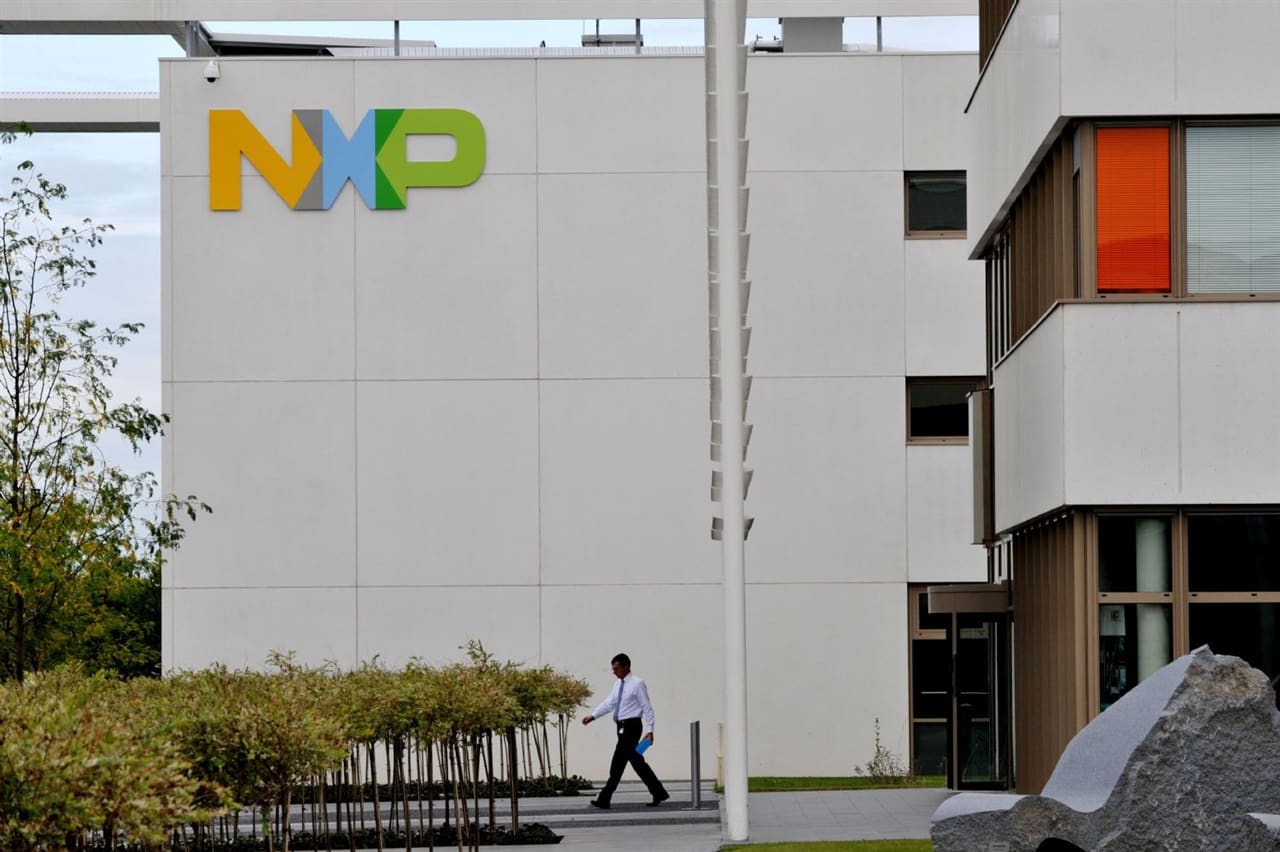
NXP Semiconductors navigated a complex second quarter, posting gains in its core automotive segment while facing investor skepticism over semiconductor sector valuations and an increasingly competitive landscape from Chinese chip producers. The Eindhoven-based company's results underscored a familiar tension across Asia's semiconductor supply chain: strong underlying demand colliding with concerns about pricing power and market share erosion.
The automotive division, which accounts for roughly half of NXP's revenue, continued to benefit from the industry's shift toward electric vehicles and advanced driver-assistance systems. Automakers across Japan, South Korea, and increasingly Southeast Asia have ramped up orders for power management and vehicle networking chips, categories where NXP holds leading positions. That momentum carried through the April-to-June period, even as broader semiconductor demand showed uneven recovery patterns.
Yet the company's third-quarter guidance suggested management sees reasons for caution. Projected revenue figures came in below analyst consensus, reflecting both seasonal inventory adjustments among automotive customers and heightened price pressure in segments where mainland Chinese competitors have gained ground. NXP has historically commanded premium pricing in safety-critical automotive applications, but that advantage is narrowing as domestic Chinese chipmakers invest heavily in qualification processes and undercut on cost.
The China Factor Reshapes Competitive Dynamics
Competition from Chinese semiconductor firms represents a structural shift rather than a cyclical headwind. Over the past eighteen months, companies including Shanghai-based startups and established players have accelerated their push into automotive microcontrollers and analog chips, categories that overlap with NXP's portfolio. These manufacturers benefit from government subsidies, closer proximity to China's massive automotive market, and aggressive pricing strategies designed to win design slots at local electric-vehicle makers.
For NXP, the challenge is acute in mid-tier automotive applications, where performance requirements are less stringent and cost becomes a decisive factor. While the company retains strong positions in high-end radar processors and secure vehicle access systems, the erosion of share in higher-volume, lower-margin products pressures overall revenue growth and complicates the path to margin expansion.
The artificial intelligence opportunity, meanwhile, remains more promise than present contribution. NXP has outlined plans to integrate AI-enabled edge processing into automotive and industrial chips, but the revenue impact is still emerging. Investors appear to be discounting those longer-term prospects in favor of near-term earnings visibility, a stance reflected in the muted market reaction to the quarterly results.
Investor Caution Reflects Sector-Wide Concerns
The subdued response to NXP's performance mirrors broader anxieties about semiconductor valuations across Asian exchanges. After a sustained rally driven by AI infrastructure spending and post-pandemic supply-chain restocking, chip stocks have faced pressure as investors reassess growth rates and competitive positioning. NXP's valuation multiple has compressed alongside peers, even as the company maintains profitability and cash generation.
Analysts point to several factors weighing on sentiment. Automotive semiconductor demand, while structurally growing, is subject to inventory swings as carmakers adjust production schedules. The shift to electric vehicles creates opportunities but also introduces new competitors and alters the mix of chips per vehicle. And the geopolitical dimension, particularly export controls and the push for supply-chain localization in China, adds uncertainty to long-term market share assumptions.
NXP's management has emphasized its focus on differentiated products and deep customer relationships, arguing that these factors insulate the company from commoditization. Yet the third-quarter outlook suggests that even premium suppliers must navigate a more competitive pricing environment and temper growth expectations accordingly.
What Comes Next for the Automotive Chip Leader
The coming quarters will test whether NXP can sustain its automotive leadership while defending margins against lower-cost rivals. The company's strategic bets on secure connectivity, battery management systems, and vehicle-to-everything communication chips position it well for the industry's long-term evolution. Execution, however, will depend on maintaining technical differentiation and managing the cost structure as revenue growth moderates.
For investors and industry observers, NXP's results offer a snapshot of the semiconductor sector's transition. Automotive electrification and AI integration remain powerful tailwinds, but competition is intensifying and valuation discipline has returned. The Dutch chipmaker's ability to balance growth ambitions with profitability in this environment will shape its trajectory through the rest of the year and into 2027.
RELATED STORIES

NXP Carves Infrastructure Play in AI Data Centers
Cheng Wei-Lun · 3 min
NXP Signals Physical AI Has Entered Long Adoption Cycle
Cheng Wei-Lun · 4 min

Qualcomm Expands Beyond Smartphones Into Data Centers and Automotive Chips
Cheng Wei-Lun · 3 min

Qualcomm Pivots to AI and Automotive as Apple Revenue Drops Faster Than Expected
Cheng Wei-Lun · 3 min
Spot something wrong? Email editor@briefasia.com. We log every correction publicly.