Real Estate · Homes
Ningbo Tycoon Family Buys Hong Kong Villa for $18.5 Million
Off-plan purchase of Tai Po property signals continued mainland appetite for Hong Kong luxury real estate despite market headwinds
KEY TAKEAWAYS
- ·Wu Xiaoming, connected to Ningbo Tuopu Group's founding family, purchased a Tai Po villa for HK$145.6 million under an off-plan agreement on July 17.
- ·The transaction reflects sustained mainland high-net-worth demand for Hong Kong luxury homes despite broader market softness and outbound capital controls.
- ·Tai Po's appeal to mainland buyers centers on space, international schools, and proximity to Shenzhen border crossings for cross-border business families.
Mainland Capital Flows into Tai Po
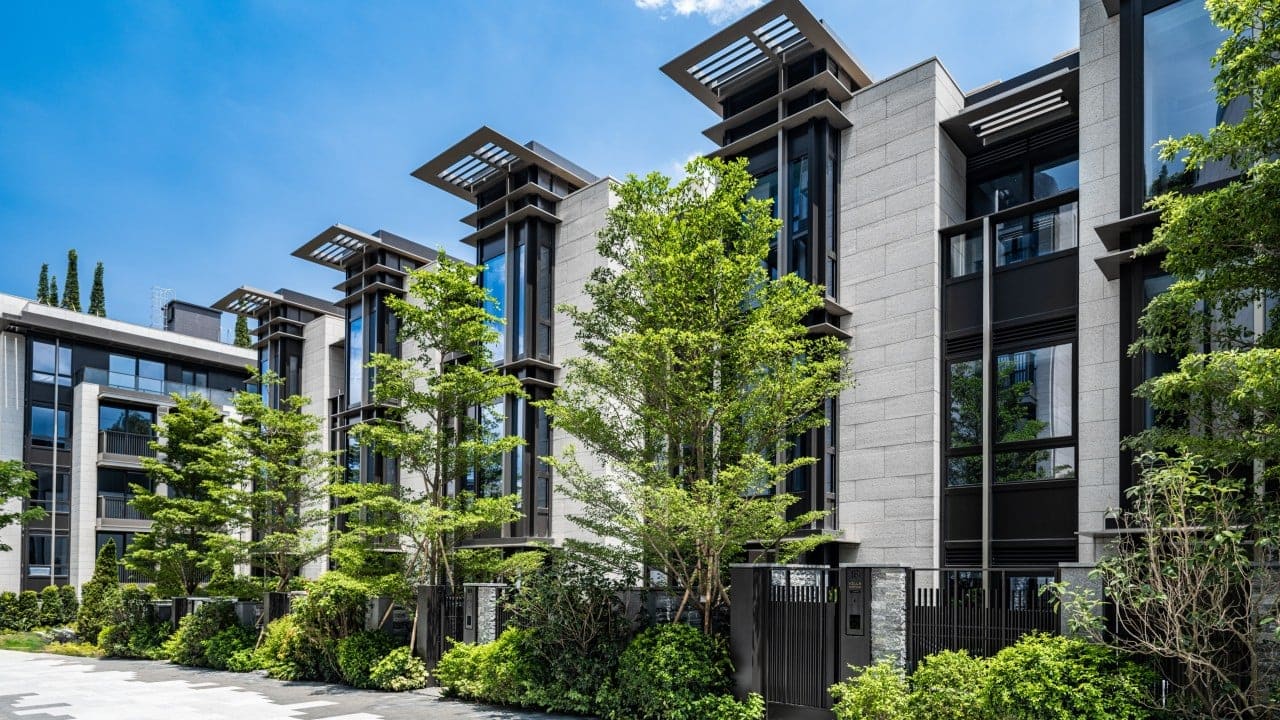
Wu Xiaoming has purchased a stand-alone villa at Villa Lucca, 7 Lucca Avenue, for HK$145.6 million (US$18.5 million), according to Land Registry filings. The transaction closed on July 17 under an off-plan sale and purchase agreement. Wu is connected to the family behind Ningbo Tuopu Group, one of mainland China's leading auto parts manufacturers and a cornerstone of the Ningbo region's industrial wealth.
The four-bedroom garden house carries a saleable area of 5,281 square feet, placing the unit price at approximately HK$27,570 per square foot. That pricing positions the property firmly in Hong Kong's luxury segment, particularly for a suburban location outside the traditional Peak and Mid-Levels corridors favored by ultra-high-net-worth buyers.
Ningbo Tuopu Group, listed on the Shanghai Stock Exchange, specializes in automotive noise, vibration, and harshness control systems, alongside lightweight chassis components and thermal management systems for electric vehicles. The company has benefited from China's rapid shift toward new-energy vehicles over the past five years, supplying major domestic automakers including BYD, Geely, and NIO. The group's founding family ranks among Ningbo's wealthiest, though exact net worth figures remain private given the closely held nature of their broader holdings.
Villa Lucca Development Profile
Villa Lucca is a low-density residential project in Tai Po, an area traditionally seen as Hong Kong's suburban fringe but increasingly attractive to families seeking larger living spaces and proximity to nature. The development comprises detached houses with private gardens, a rarity in land-scarce Hong Kong where high-rise towers dominate even luxury segments.
Tai Po's appeal has grown among mainland buyers who prioritize space over central business district proximity, especially those with school-age children. The district offers international school options and direct highway access to both Kowloon and the border crossings into Shenzhen, making it practical for families with cross-border business interests.
The off-plan structure of this transaction is notable. Such agreements allow buyers to lock in prices before construction completes, but they also require confidence in both the developer's delivery timeline and the property market's trajectory. Hong Kong's residential market has faced pressure from rising interest rates and outbound migration over the past two years, though the luxury tier has proven more resilient than mass-market segments.
Broader Luxury Market Context
This purchase adds to a pattern of selective mainland buying in Hong Kong's premium housing market. While overall transaction volumes remain subdued compared to the 2020-2021 peak, high-net-worth individuals from the mainland continue to view Hong Kong property as a stable store of value and a hedge against domestic policy uncertainty.
Recent data from Centaline Property Agency showed luxury home transactions above HK$50 million totaled 147 deals in the first half of 2024, down 18 percent year-on-year but still representing significant capital deployment. Mainland buyers accounted for roughly 35 percent of that segment, according to industry estimates.
The Ningbo connection is particularly relevant. Zhejiang province, of which Ningbo is a major city, has produced a disproportionate share of China's private-sector industrial wealth. Entrepreneurs from the region have historically diversified assets offshore, with Hong Kong serving as a primary destination due to legal system familiarity, currency convertibility, and geographic proximity.
Tuopu Group's core business in auto components positions the family wealth within China's strategic manufacturing sectors, which have enjoyed policy support but also face increasing scrutiny over capital movements. Offshore property purchases by industrialist families are typically structured through personal capacity rather than corporate vehicles, a pattern consistent with this transaction's individual buyer registration.
What Comes Next
The trajectory of mainland capital into Hong Kong luxury real estate will depend on several variables: Beijing's stance on outbound investment, Hong Kong mortgage rate trends, and the broader health of China's private sector. The property sector's role as a wealth preservation vehicle remains intact, but the volume of transactions is likely to stay selective rather than return to the frenzied pace of previous cycles.
For developers of suburban luxury projects like Villa Lucca, mainland buyers represent a critical demand pillar. The willingness of families tied to successful industrial enterprises to commit eight-figure sums to Hong Kong homes suggests confidence in the city's long-term stability, even as short-term market sentiment remains cautious.
Tai Po and similar districts may see continued interest from this buyer profile: successful but not ultra-high-net-worth, prioritizing space and schools over address prestige, and maintaining cross-border business ties that make Hong Kong's geographic position valuable. The Wu family's purchase fits squarely within that emerging pattern.
RELATED STORIES
Hong Kong and China Regulators Announce Market Integration Reforms
Cheng Wei-Lun · 3 min
Hong Kong Data Centre Rates Climb 90 Percent as Mainland AI Players Expand
Cheng Wei-Lun · 3 min

Hang Lung Properties Appoints Toys 'R' Us Asia Chief as New CEO
Cheng Wei-Lun · 3 min
Asian Tech Stocks Surge as Weak US Jobs Data Dims Rate Hike Outlook
Cheng Wei-Lun · 4 min
Spot something wrong? Email editor@briefasia.com. We log every correction publicly.