Asia · Business
Meralco Pushes Back on System Loss Reform After Marcos' Congressional Call
The Philippines' largest power distributor warns that changes to electricity loss charges could disrupt utility operations and infrastructure investment across the sector.
KEY TAKEAWAYS
- ·Manila Electric Co. responded to President Marcos' July 27 call for immediate amendments to the Electric Power Industry Reform Act by warning that changes to system loss charges could affect utility operations and infrastructure investment.
- ·Meralco maintains its system loss below the 6.5 percent regulatory ceiling and says technical losses remain unavoidable despite ongoing capital investments in grid modernization.
- ·Senator Erwin Tulfo has filed a resolution seeking a formal inquiry into system loss charge policies, setting the stage for congressional hearings on the issue.
The Utility's Position
Manila Electric Co., the Philippines' dominant power distributor, has asked Congress to consider the operational consequences of eliminating system loss charges before moving forward with legislative changes. The company issued its statement within 24 hours of President Ferdinand Marcos Jr.'s July 27 address to lawmakers, in which he urged immediate amendments to the Electric Power Industry Reform Act.
The president wants to bar utilities from passing system loss charges and the value-added tax on those charges to consumers. His directive came during his fifth State of the Nation Address, where he argued that the public should not shoulder the cost of power losses.
Meralco countered that system loss is an industry-wide operational reality, not a problem unique to any single distributor. The company emphasized that electricity inevitably dissipates during transmission and distribution, a phenomenon that affects every power system globally.
Technical Reality and Regulatory Limits
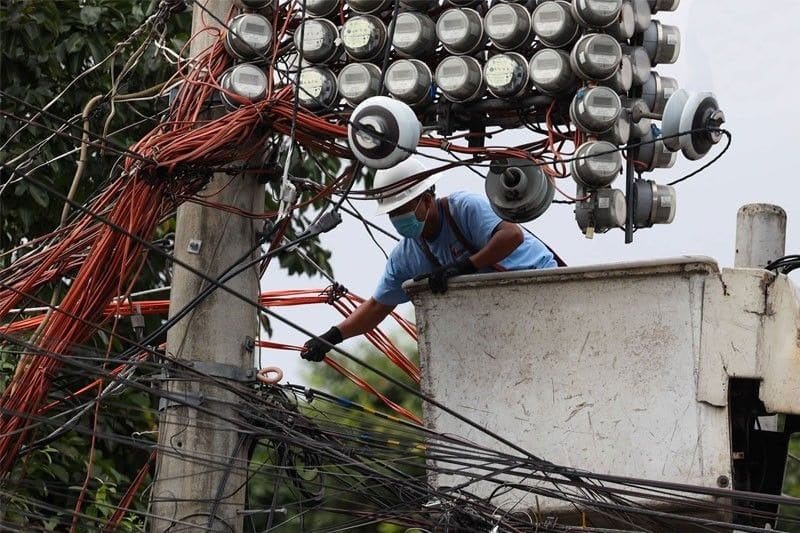
The utility pointed to its ongoing capital investments in facility upgrades, network modernization and loss-reducing technologies. Despite these expenditures, Meralco said a baseline level of technical loss remains unavoidable in grid operations.
According to the company, its system loss currently sits below the 6.5 percent ceiling set by the Energy Regulatory Commission. That cap represents the maximum allowable loss that utilities can recover through consumer charges.
System loss encompasses two categories: technical losses from the physics of electricity transmission through conductors and transformers, and non-technical losses from theft, metering errors and billing discrepancies. The technical component is inherent to any electrical grid.
Broader Industry Concerns
Meralco signaled openness to reform discussions but stressed that any policy changes must account for the ability of distribution utilities and electric cooperatives to maintain operations, fund infrastructure and preserve system resilience.
The company framed the issue as one affecting not just Manila Electric but the entire distribution sector, including the dozens of electric cooperatives serving rural areas. Those cooperatives operate on thinner margins and face similar technical loss challenges.
Energy Secretary Sharon Garin later clarified the scope of the president's proposal. She said Marcos was calling for the removal of the system loss charge and the VAT applied specifically to that charge, not the 12 percent VAT on the entire electricity bill. That distinction narrows the potential revenue impact on utilities.
Legislative Movement
Senator Erwin Tulfo, who chairs the Senate committee on energy, has filed a resolution seeking a formal inquiry into the policy that allows system loss charges to be passed to consumers under the Electric Power Industry Reform Act. The resolution sets the stage for committee hearings that will pull in utility executives, regulators and consumer advocates.
The timing of the president's call reflects sustained public frustration over electricity costs in the Philippines, which remain among the highest in Southeast Asia. Residential rates in Metro Manila have historically hovered above those in Bangkok, Jakarta and Kuala Lumpur.
Meralco serves more than seven million customers across Metro Manila and surrounding provinces, making it the largest private power distributor in the country. Any change to its revenue structure would ripple through the sector and potentially influence how other utilities approach cost recovery.
What Comes Next
The legislative process will determine whether system loss charges disappear entirely, are capped at lower levels, or are restructured in a way that shifts costs to utilities. Each option carries different implications for capital spending, grid reliability and the financial health of distribution companies.
Meralco has indicated it will participate in congressional discussions but has laid down a marker: reforms must be designed with an understanding of grid economics and the technical realities of power delivery. The company's public statement suggests it will resist any blanket prohibition that ignores operational constraints.
For now, the ball sits with Congress, which must decide whether to prioritize consumer relief or the long-term infrastructure investment that utilities say depends on predictable cost recovery mechanisms. The debate will test whether lawmakers can balance populist pressure with the technical requirements of running a modern electric grid.
RELATED STORIES

Philippine Water Operator Earmarks $400 Million for Southeast Asia Expansion
Mariel D. Santos · 2 min

Philippines Energy Budget Climbs 26% as Electric Vehicle Funding Surges
Priyanka V. Rao · 3 min
Philippine Manufacturing Expands at Fastest Pace Since 2016
Priyanka V. Rao · 3 min

Southeast Asian Firms Overlook Digital Pact Worth USD 2 Trillion
Lim Hui Ying · 4 min
Spot something wrong? Email editor@briefasia.com. We log every correction publicly.