Technology · Products
Memory Chipmakers Eye Automotive Market as Next Growth Frontier
Samsung, SK hynix, and Micron pivot to vehicles as memory content per car approaches PC levels
KEY TAKEAWAYS
- ·Samsung Electronics, SK hynix, and Micron Technology are targeting the automotive sector as memory content per vehicle now approaches levels seen in laptops and desktop computers.
- ·Advanced infotainment systems and autonomous driving features require multi-gigabyte DRAM and substantial NAND flash, commanding higher prices than consumer-grade components.
- ·Electric vehicle platforms with software-defined architectures are accelerating memory demand, with central compute modules resembling data center configurations in scale and complexity.
The Shift to Wheels
The memory chip industry is recalibrating its growth strategy around an unlikely platform: cars. Samsung Electronics, SK hynix, and Micron Technology, the three suppliers that control global memory output, are intensifying their focus on automotive applications as the economics of the sector transform under pressure from artificial intelligence workloads.
The volume of memory silicon now embedded in a single vehicle has begun to match what goes into a laptop or desktop machine. That shift marks a departure from decades when cars represented a marginal use case for semiconductor companies, relegated to niche applications in engine control units and basic dashboard displays.
Industry analysts point to infotainment systems in premium vehicles as a visible indicator of the trend. Advanced cockpit platforms now require multi-gigabyte DRAM configurations and substantial NAND flash storage to support high-resolution displays, voice recognition, over-the-air updates, and real-time navigation. The memory budget for these systems alone can exceed what a mid-tier personal computer demanded five years ago.
Three Players, One Market
The competitive landscape in automotive memory mirrors the broader industry structure. Samsung, SK hynix, and Micron together account for the overwhelming majority of DRAM and NAND production worldwide. Their move into automotive reflects both opportunity and necessity: traditional PC and smartphone markets have matured, while data center demand, though robust, is increasingly concentrated among a handful of hyperscale customers with significant negotiating leverage.
Automotive represents a diversification play with distinct economics. Vehicles require memory chips that meet stringent reliability and temperature tolerance standards, often certified under the AEC-Q100 automotive qualification. These parts command higher average selling prices than consumer-grade components, and design-win cycles, though longer, can lock in revenue streams for the multi-year production life of a car model.
The pivot also reflects the influence of AI on vehicle architecture. Autonomous driving systems and advanced driver-assistance features rely on sensor fusion, real-time inference, and high-bandwidth data processing. Each of these functions demands memory capacity and bandwidth that were unthinkable in automotive contexts a decade ago. A single camera array in a modern vehicle can generate terabytes of data over the life of the car, much of which must be buffered, processed, or stored locally before selective upload to cloud platforms.
Competitive Dynamics
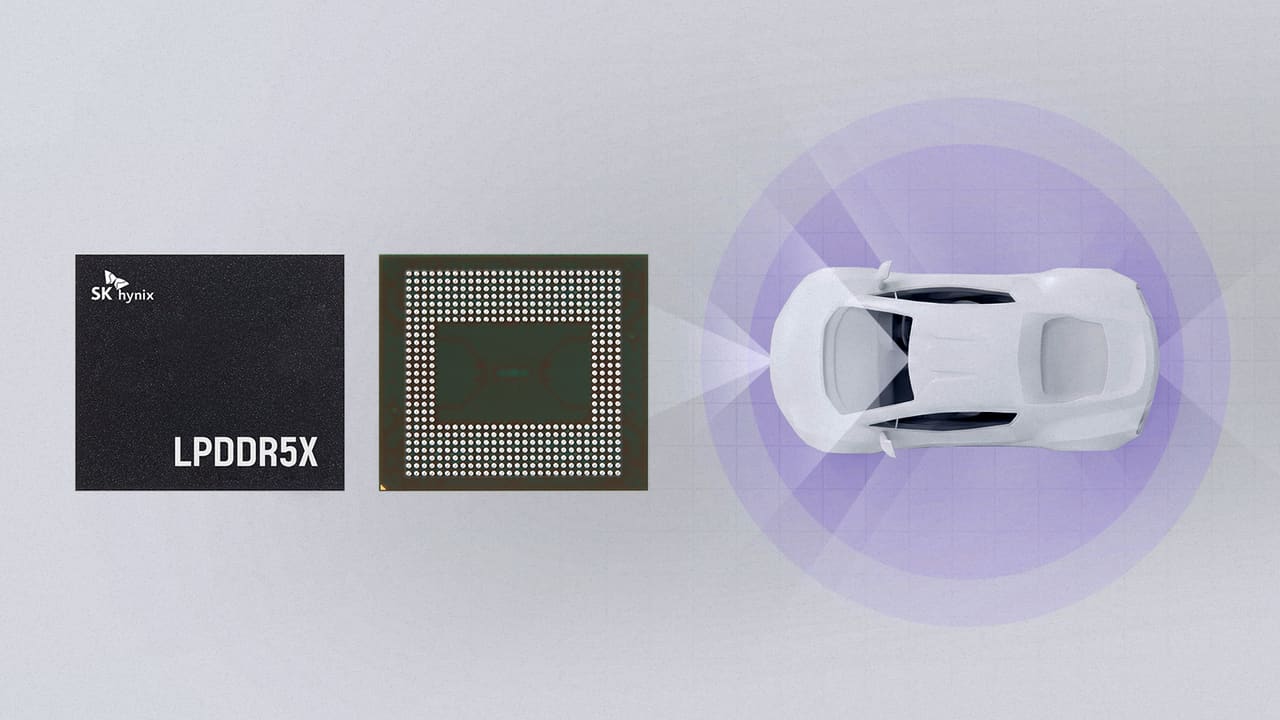
The race to secure automotive design wins is reshaping supplier strategies. Samsung has emphasized its position as a vertically integrated manufacturer capable of delivering both logic and memory components for automotive system-on-chip designs. SK hynix has highlighted its LPDDR and enterprise SSD portfolios as suited to the latency and endurance requirements of in-vehicle computing. Micron has pursued partnerships with automotive tier-one suppliers and chipmakers focused on cockpit and autonomous driving platforms.
The market is still in its early expansion phase, but the trajectory is clear. Electric vehicle platforms, which consolidate traditional mechanical systems into software-defined architectures, accelerate the trend. Central compute modules in these vehicles increasingly resemble data center blades, with comparable memory configurations and thermal management challenges.
The shift also introduces new supply chain considerations. Automotive production schedules and just-in-time manufacturing place different demands on semiconductor suppliers than consumer electronics cycles. Lead times are longer, inventory buffers smaller, and the cost of a recall due to component failure can dwarf the margin on the original sale. Chipmakers entering the automotive market must adapt not only their products but also their logistics and quality assurance processes.
What Comes Next
The convergence of automotive and computing memory requirements is likely to deepen as software-defined vehicles become the industry standard. Automakers are already designing platforms with over-the-air update capabilities that assume expanding memory footprints over the vehicle's operational life. That creates an incentive to over-provision memory at the factory, further increasing content per unit.
For the memory chip sector, automotive demand offers a partial hedge against cyclicality in traditional markets. Vehicle production volumes are substantial, replacement cycles are measured in years rather than months, and the installed base of cars on the road represents a long-term serviceable market. Whether that opportunity translates into sustained margin expansion will depend on how quickly the automotive memory market commoditizes and whether the three dominant suppliers can maintain their oligopoly pricing power in a new context.
RELATED STORIES

SK Hynix Eyes Deeper Collaboration With Japan's Chip Sector
Cheng Wei-Lun · 4 min
Memory Makers Gain Leverage as AI Server Costs Climb
Cheng Wei-Lun · 3 min

South Korea Taps Three Telecom Giants to Deliver Free AI Services Nationwide
Cheng Wei-Lun · 3 min
Samsung Display Restarts Asan OLED Campus as Foldable Phones Stage Recovery
Cheng Wei-Lun · 4 min
Spot something wrong? Email editor@briefasia.com. We log every correction publicly.