Finance · Markets
Manila Stocks Close Higher Despite Second-Quarter Growth Slowdown
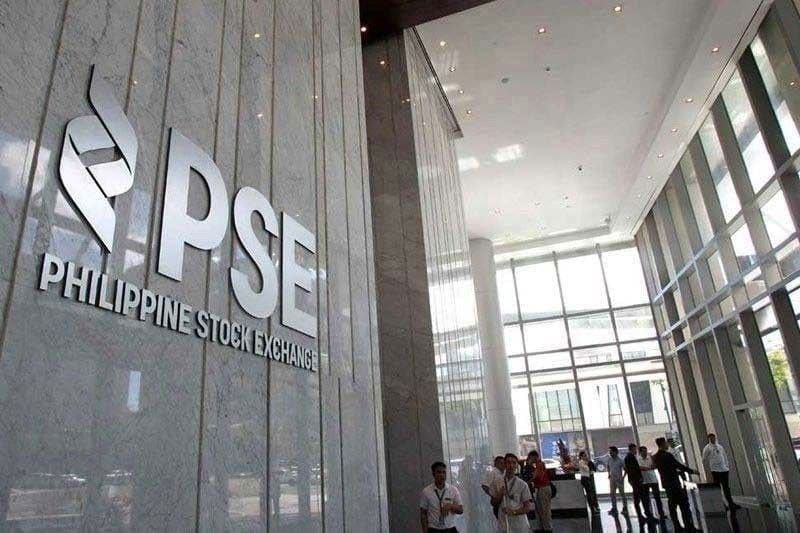
Philippine equities recovered late in Friday's session after investors absorbed a 2.3 percent GDP print, with property counters lifting the benchmark index.
KEY TAKEAWAYS
- ·The Philippine Stock Exchange index rose 0.2 percent to 6,290.35 on Friday, snapping three days of declines despite second-quarter GDP growth slowing to 2.3 percent.
- ·Ayala Land surged 6.14 percent and Universal Robina added 2.74 percent, lifting the property sector 0.99 percent and anchoring the late-session recovery.
- ·Foreign investors recorded net outflows of 339.35 million pesos, continuing a cautious stance that has seen cumulative withdrawals exceed twelve billion pesos year-to-date.
Late Rally Lifts Benchmark
The Philippine Stock Exchange index added 12.4 points to close at 6,290.35 on Friday, a 0.2 percent gain that ended three consecutive sessions of losses. The broader All Shares measure rose 4.95 points, or 0.15 percent, to finish at 3,418.40.
Market participants absorbed second-quarter gross domestic product figures showing growth of 2.3 percent, well below consensus forecasts. The benchmark opened weaker but staged a recovery in the final hour of trading, suggesting much of the disappointment had already been priced in during earlier sessions.
Turnover reached 6.23 billion pesos, slightly above Thursday's 6.18 billion. Foreign investors accounted for 55 percent of activity and recorded net outflows of 339.35 million pesos.
Property Counters Lead Gains
Ayala Land climbed 6.14 percent, providing the strongest single-stock lift to the index. Universal Robina added 2.74 percent, while DigiPlus rose 6.11 percent. The property sector finished 0.99 percent higher, the best-performing group.
Financials declined 0.54 percent, the steepest sectoral drop. Market breadth tilted negative, with 90 losers outnumbering 86 gainers; 68 names closed unchanged.
International Container Terminal Services was the most actively traded stock, ending flat at 1,000 pesos per share. Bank of the Philippine Islands held at 101 pesos, while BDO Unibank slipped 0.97 percent to 122 pesos.
Investors Look Past GDP Miss
The economy expanded at its slowest pace in more than three years during the April-to-June period, weighed down by weaker consumer spending and subdued government outlays. Analysts had expected growth closer to 3.5 percent.
AB Capital Securities noted that the index closed at session highs despite the soft data, indicating traders had turned cautious ahead of the official release. First Metro Securities observed that the late-session rebound reflected a willingness to move beyond near-term growth concerns, particularly as large-cap property and consumer names found buying interest.
The GDP print adds pressure on policymakers to consider further stimulus measures, though inflation remains elevated and the central bank has signaled limited room for rate cuts in the near term. July inflation figures showed prices rising 4.1 percent year-on-year, above the upper end of the Bangko Sentral ng Pilipinas' target band.
Regional Context
Manila's resilience mirrors a broader pattern across Southeast Asian equity markets, where investors have learned to separate short-term data misses from longer-term structural stories. Jakarta, Bangkok, and Kuala Lumpur have all posted modest gains this week despite mixed economic signals across the region.
Philippine equities trade at a trailing twelve-month price-to-earnings ratio of roughly 13 times, below the ten-year average of 15 times and offering a valuation cushion against further earnings disappointments. Dividend yields on the index sit near 3.2 percent, attractive relative to ten-year government bond yields of 5.8 percent.
Analysts will watch second-quarter earnings reports in coming weeks for confirmation that corporate fundamentals remain intact. Property developers and consumer-facing companies are expected to report flat to low-single-digit revenue growth, reflecting the softer macroeconomic backdrop.
Foreign positioning in Philippine equities has turned more cautious this year, with cumulative net outflows exceeding twelve billion pesos year-to-date. Regional funds have favored India, Vietnam, and Indonesia, where growth trajectories remain stronger and policy environments more predictable.
The index now trades roughly eight percent below its year-to-date high reached in late May, before concerns about slowing growth and elevated inflation began to weigh on sentiment. Technical analysts note support at the 6,200 level, with resistance at 6,450.
RELATED STORIES

Philippines Central Bank Fielded 120,000 Customer Disputes in 2025
Priyanka V. Rao · 3 min
Philippine Equities Face Headwinds as Second-Quarter Growth Hits 17-Year Low
Priyanka V. Rao · 3 min
Philippine Economy Stalls as Investment Collapse Drags Growth to Pandemic Lows
Priyanka V. Rao · 3 min
Philippine SSS Net Income Falls 28 Percent as Pension Hike Drives Up Costs
Priyanka V. Rao · 2 min
Spot something wrong? Email editor@briefasia.com. We log every correction publicly.