Technology · AI
Manila Startup Kita Closes $4.5M to Automate Loan Document Processing Across Asia
The AI platform processes handwritten records and e-wallet screenshots for lenders struggling with backlogs and incomplete borrower data
KEY TAKEAWAYS
- ·Kita raised $4.5 million led by BoxGroup, with Lisa Gokongwei-Cheng and Xiaomi co-founder Lin Bin's family office participating, to automate loan document processing for banks and microfinance lenders.
- ·The platform processed over $130 million in loan volume in its first five months, with more than 60 percent from the Philippines, and can read over 50 document types including handwritten records and e-wallet screenshots.
- ·Kita competes with other AI credit platforms backed by the same investors and plans to expand across Southeast Asia, Latin America, the US, and Africa while keeping final credit approval decisions with human underwriters.
From Paper Chaos to Searchable Data
Banks and microfinance institutions across the Philippines routinely receive loan applications accompanied by folded bank receipts, blurred mobile wallet screenshots, and handwritten ledgers. Extracting reliable credit data from this patchwork has historically required armies of back-office staff and weeks of manual review.
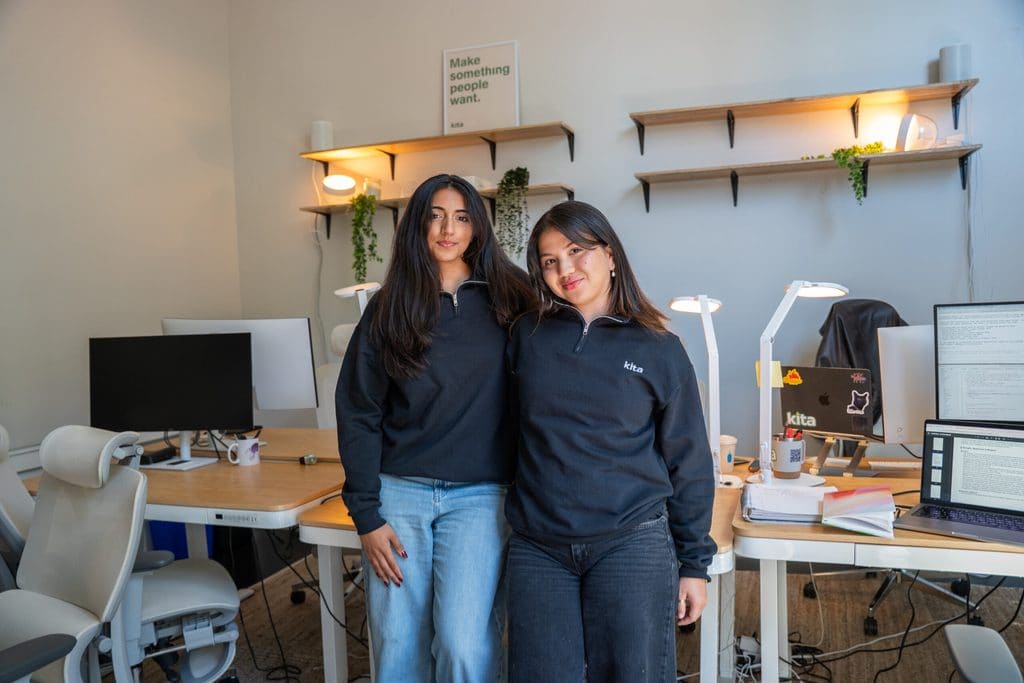
Kita, a Y Combinator-backed startup founded by Carmel Limcaoco and Rhea Malhotra, has built an artificial intelligence system designed to automate that process. The platform sits behind the scenes for lenders, requesting documents tailored to each borrower's situation, identifying gaps in submissions, and following up via messaging apps including Viber and SMS. It then parses the uploaded materials, extracts numerical data, flags discrepancies, and assembles a draft credit memo for human underwriters.
The company announced it has raised $4.5 million in a seed round led by BoxGroup. Lisa Gokongwei-Cheng participated as an angel investor through Kaya Founders, the venture firm her family helped establish. Apex Star Capital, the family office of Xiaomi co-founder Lin Bin, also joined the round.
Processing $130 Million in Five Months
Kita says it can interpret more than 50 document types, including PDFs, e-wallet transaction histories, handwritten passbooks, and photographs of crumpled paper. The platform employs vision-language models trained to parse Tagalog, Taglish, Cebuano, Spanish, and Bahasa Indonesia, among other languages.
In its first five months of commercial operation, Kita processed over $130 million in loan volume, with more than 60 percent originating from the Philippines. One early client, rural lender TRBank, handed Kita four years of paper loan files stored in physical folders. The platform digitized the archive in under three days, achieving accuracy rates above 97 percent, according to the company.
Each data point Kita extracts is hyperlinked to the source document, allowing human credit officers to verify figures without hunting through PDFs or paper stacks. The system applies each lender's proprietary credit rules rather than making autonomous approval decisions.
Stanford Roots, Manila Testing Ground
Limcaoco and Malhotra met in 2020 while sharing a one-bedroom apartment in Boston during pandemic lockdowns. Both later enrolled in Stanford's computer science program. Limcaoco had previously worked on audio products at Apple and co-launched a product management fellowship at Kaya Founders. Malhotra contributed to research supporting Pfizer's COVID-19 vaccine development at age 17 and later focused on computer vision and robotics at Stanford before deferring a Princeton AI doctorate to build Kita.
The pair identified the loan underwriting bottleneck during a research trip to Manila, where Limcaoco grew up. Philippine lenders face twin constraints: severe processing backlogs and borrower populations with thin or non-standard credit files. Many applicants operate outside formal banking channels, relying instead on cash businesses or digital wallets that generate transaction records incompatible with legacy credit scoring systems.
Limcaoco is the first Filipina founder admitted to Y Combinator in more than five years, according to Kita.
Competing in a Crowded Field
Kita operates in a segment attracting parallel bets from the same investors. Kaya Founders also backs Moneta, another AI platform that analyzes corporate loan documents and generates credit assessments for banks. The overlapping mandates suggest venture capital firms are hedging within the credit infrastructure category.
Limcaoco argues Kita differentiates itself through three capabilities: processing unfamiliar document formats without pre-configuration, tracing every output back to source material, and tackling legacy archives at traditional banks and large microlenders rather than starting with greenfield fintech clients.
The startup plans to deploy its new capital to expand engineering headcount and enhance fraud detection and underwriting modules. It is targeting customers in Southeast Asia, Latin America, the United States, and Africa while concentrating hiring and product investment in the Philippines.
Despite the platform's automation capabilities, both founders emphasize that final credit decisions remain with human underwriters. AI handles document ingestion, data extraction, and memo drafting, but approval authority stays outside the algorithm.
The company's roadmap hinges on a thesis that credit underwriting workflows in disparate markets share enough structural similarity to allow a single platform to serve rural Philippine banks, Mexican microlenders, and US alternative finance providers with minimal customization. Whether that assumption holds at scale will determine how far beyond Manila Kita's technology can travel.
RELATED STORIES

Manila's Chip Industry Still Stalled in Assembly While Taipei Built Fabs
Priyanka V. Rao · 4 min
Philippines Central Bank Raises Rate to 5% Despite Economic Slowdown
Priyanka V. Rao · 3 min
Philippine Economic Zones Pull Record ₱216 Billion in Eight Months
Priyanka V. Rao · 3 min
Philippine Government Subsidies to State Firms Jump 118% in First Half of 2026
Mariel D. Santos · 3 min
Spot something wrong? Email editor@briefasia.com. We log every correction publicly.