Finance · Markets
Malaysian Ringgit Weakens as Fed Rate Hike Odds Climb to 65 Percent
Currency traders brace for tighter US monetary policy while Middle East tensions add pressure to regional foreign exchange markets
KEY TAKEAWAYS
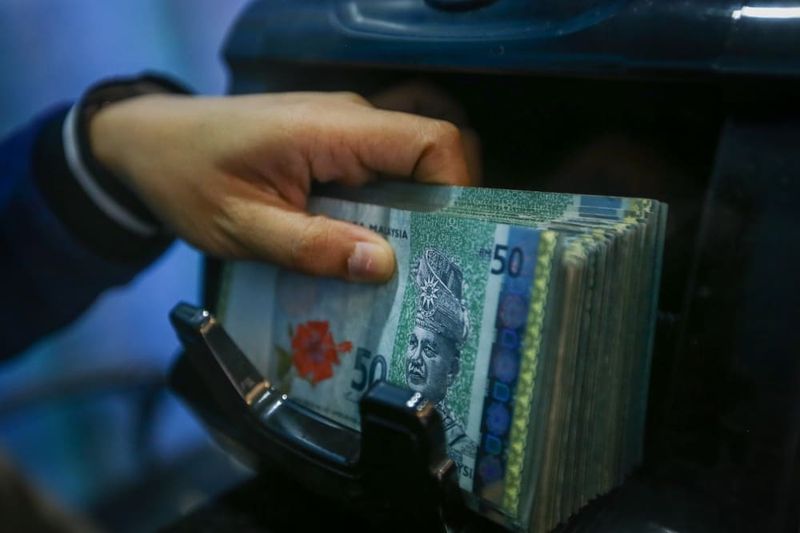
- ·The Malaysian ringgit weakened to 4.0855 per US dollar as market expectations for a September Federal Reserve rate hike rose to 64.8 percent from 51.5 percent in early July.
- ·Malaysia's strong trade data and status as an energy exporter have cushioned the currency against broader dollar strength, with improved terms of trade supporting resilience.
- ·The ringgit showed mixed performance against regional peers, weakening versus the Singapore dollar and Thai baht while remaining flat against the Indonesian rupiah and Philippine peso.
Dollar Strength Returns on Fed Expectations
The Malaysian ringgit opened weaker against the US dollar on July 23, trading at 4.0855 per dollar at 8 am local time compared to 4.0850 at the previous close. The move reflects a broader pattern across Asian currencies as traders recalibrate positions ahead of potential Federal Reserve action.
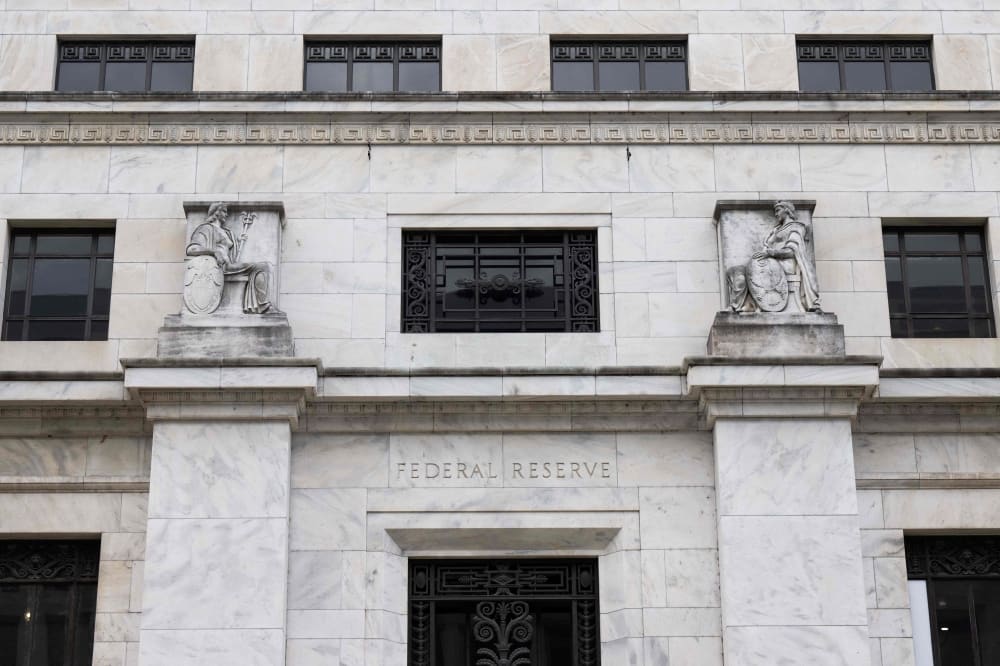
Market pricing now assigns a 64.8 percent probability to a September rate hike by the US Federal Open Market Committee, a sharp increase from 51.5 percent at the start of July, according to Bank Muamalat Malaysia Bhd chief economist Mohd Afzanizam Abdul Rashid. The shift in expectations stems from persistent inflation concerns and geopolitical disruptions to energy supply chains in the Middle East that could further elevate price pressures.
"The prevailing condition would translate into inflation and, more importantly, the FOMC decision on interest rates," Mohd Afzanizam said. "It is going to be dollar-positive in the near term."
The ringgit's modest decline masks a more complex picture in regional currency markets, where country-specific fundamentals are creating divergent paths rather than uniform weakness against the greenback.
Trade Data Provides Buffer
Despite the headwinds from US monetary policy expectations, the ringgit has held up relatively well this week, supported by Malaysia's improved terms of trade following strong recent export figures. The country's position as a net energy exporter has also provided a cushion as oil prices edge higher amid supply concerns.
Stephen Innes, managing partner at SPI Asset Management, noted that the local currency has traded resiliently despite broader dollar strength, reflecting what he described as "a clear dispersion trade across global foreign exchange markets rather than a simple one-way dollar move."
Malaysia's export sector has benefited from sustained demand for electronics and commodities, helping to offset some of the pressure from tightening financial conditions in advanced economies. The trade surplus has kept capital inflows stable, limiting downside volatility for the ringgit even as the Fed narrative shifts hawkish.
Mixed Performance Against Regional Peers
The ringgit's performance against other major and regional currencies showed no uniform pattern. Against the Japanese yen, the ringgit strengthened slightly to 2.5051 from 2.5057 at the previous close. However, it weakened against the euro to 4.6624 from 4.6585 and slipped versus the British pound to 5.4648 from 5.4612.
Within Southeast Asia, the ringgit edged lower against the Singapore dollar to 3.1646 from 3.1635 and declined versus the Thai baht to 12.0924 from 12.0787. It remained flat against the Indonesian rupiah at 228.0 and unchanged against the Philippine peso at 6.61.
The varied performance underscores how individual central bank policies, fiscal positions, and trade dynamics are driving currency movements rather than a simple risk-on or risk-off environment. Singapore's monetary authority has maintained a relatively tight stance, while Thailand's tourism recovery continues to support the baht.
Middle East Tensions Add Uncertainty
Ongoing tensions in the Middle East continue to weigh on sentiment across Asian markets, with potential disruptions to oil and gas flows adding another layer of complexity for policymakers. Higher energy prices could lift inflation across the region, complicating the monetary policy calculus for central banks that have already raised rates aggressively over the past two years.
For Malaysia, the dual effect of higher energy prices presents both opportunity and challenge. While the country benefits from stronger export revenues as an energy producer, elevated fuel costs could feed through to broader consumer price inflation, potentially requiring Bank Negara Malaysia to maintain a restrictive policy stance for longer.
The Federal Reserve's next move remains the dominant factor for emerging market currencies. If US rates rise further while regional central banks hold steady or cut, interest rate differentials could widen, pulling capital toward dollar-denominated assets and pressuring currencies like the ringgit.
Market participants will watch upcoming US inflation data and Fed commentary closely for clues on the September meeting. Any signal of prolonged tightening could trigger fresh weakness across Asian foreign exchange markets, testing the resilience that currencies like the ringgit have shown in recent weeks.
RELATED STORIES

Malaysian Ringgit Strengthens on Strong US Jobs Data
Tran Quoc Bao · 3 min

Malaysia Hospital Group A1Health Prepares US$1.7 Billion IPO for Early 2027
Tran Quoc Bao · 2 min
Ringgit Strengthens as Malaysia's Stable Rates Signal Policy Flexibility
Mariel D. Santos · 3 min

Ringgit Gains Ground as Traders Await Fed Chair Warsh's Jackson Hole Address
Priyanka V. Rao · 3 min
Spot something wrong? Email editor@briefasia.com. We log every correction publicly.