Finance · Markets
Malaysian Ringgit Slips as Oil Surge Revives US Rate Hike Bets
West Asian tensions drove crude prices past $98, fueling speculation the Federal Reserve may tighten again in September and strengthening the dollar against regional currencies.
KEY TAKEAWAYS
- ·The Malaysian ringgit closed at 4.0870 per US dollar Thursday, weakening from 4.0850 as Brent crude jumped 4.23 percent to $98.05 per barrel.
- ·Rising oil prices from West Asian conflicts have increased the odds of a September Federal Reserve rate hike, lifting the US Dollar Index to 101.169 points.
- ·The ringgit weakened against most regional currencies including the Singapore dollar and Thai baht, while the European Central Bank policy decision was awaited for inflation guidance.
Dollar Gains Ground on Energy-Driven Rate Speculation
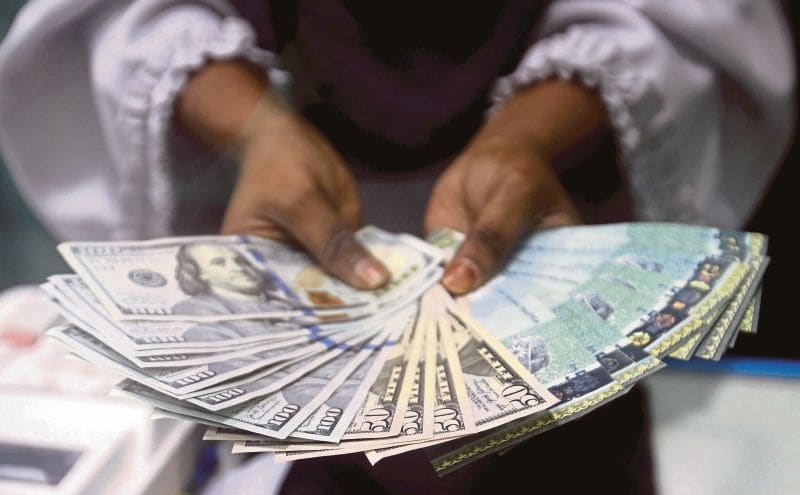
The Malaysian ringgit closed Thursday at 4.0870 per US dollar, down from 4.0850 the previous session, as escalating military tensions in West Asia pushed crude oil prices sharply higher and revived expectations that the Federal Reserve may resume interest rate increases.
West Texas Intermediate crude climbed 3.19 percent to $89.60 per barrel, while Brent crude jumped 4.23 percent to $98.05. The surge reflects mounting concern over global supply as diplomatic efforts between Washington and Tehran show signs of strain, according to Bank Muamalat Malaysia.
The ringgit traded in a narrow band between 4.0833 and 4.0908 through the session. The US Dollar Index edged up 0.04 percent to 101.169 points as traders reassessed the likelihood of Federal Reserve action at its September meeting.
Central Banks Confront New Inflation Pressure
The sharp rise in energy costs has put central banks across major economies in a difficult position. Policymakers now face the prospect of renewed inflationary pressure just as many had begun signaling a pause or pivot away from tightening cycles.
Bank Muamalat chief economist Mohd Afzanizam Abdul Rashid noted that some jurisdictions may need to revert to tighter monetary policy to contain the effects of the oil price shock. Markets have recalibrated their expectations accordingly, with odds of a September rate hike in the United States now materially higher than they were a week ago.
The European Central Bank was scheduled to announce its policy decision Thursday evening. Consensus forecasts called for the benchmark rate to remain unchanged, but market participants were focused on the accompanying statement for clues about how the ECB views the latest developments in West Asia and their potential impact on inflation trajectories across the eurozone.
Regional Currencies Feel the Pressure
The ringgit weakened against most major and regional currencies. It fell to 4.6641 per euro from 4.6585 and declined to 5.4647 per British pound from 5.4612. Against the Japanese yen, however, the ringgit strengthened to 2.5015 from 2.5057.
Within Southeast Asia, the ringgit edged down against the Singapore dollar to 3.1667 from 3.1635 and weakened versus the Thai baht to 12.0860 from 12.0787. It also slipped against the Philippine peso to 6.62 from 6.61. The ringgit managed a slight gain against the Indonesian rupiah, firming to 227.8 from 228.0.
Energy Markets Drive Near-Term Outlook
The trajectory of crude oil prices in the coming weeks will be critical for currency markets across Asia. Many regional economies are net energy importers, and sustained higher oil costs can widen current account deficits while stoking domestic inflation.
For Malaysia, which has both energy exports and imports, the net effect depends on the composition and pricing of its hydrocarbon trade. A stronger dollar and higher oil prices in dollar terms can offset some of the benefit from higher export revenues if import costs rise faster.
Currency volatility is likely to persist as long as geopolitical risks remain elevated and central banks signal uncertainty about their policy paths. Traders will be watching upcoming economic data releases from the United States and statements from Federal Reserve officials for further guidance on the likelihood and timing of any additional rate moves.
The interplay between energy prices, inflation expectations, and central bank policy will shape currency dynamics across the region in the months ahead, with the ringgit's performance closely tied to how those factors evolve.
RELATED STORIES

Malaysian Ringgit Strengthens on Strong US Jobs Data
Tran Quoc Bao · 3 min
Ringgit Gains Ground as Traders Await Fed Chair Warsh's Jackson Hole Address
Priyanka V. Rao · 3 min

Malaysian Banks Face Tighter Lending as Deposit War Squeezes Margins
Jun-ho Seo · 4 min
Ringgit Strengthens as Malaysia's Stable Rates Signal Policy Flexibility
Mariel D. Santos · 3 min
Spot something wrong? Email editor@briefasia.com. We log every correction publicly.