Sustainability · Energy
Malaysian Palm Oil Climbs to Three-Month Peak on Weather Risks and Biodiesel Demand
October futures reached RM4,721 per tonne as traders price in El Niño production threats and rising crude prices that boost vegetable oil demand for biofuels
KEY TAKEAWAYS
- ·Malaysian palm oil October futures closed at RM4,709 per tonne, up 1.88 per cent, after touching RM4,721, the highest level since April 8.
- ·El Niño weather risks and forecasts of lower production in late 2026 and early 2027 are driving supply concerns across Southeast Asian producers.
- ·Rising crude oil prices amid Middle East tensions boost palm oil's appeal as biodiesel feedstock, while India's festive season imports are expected to climb through October.
Benchmark Contract Breaks Three-Month Ceiling
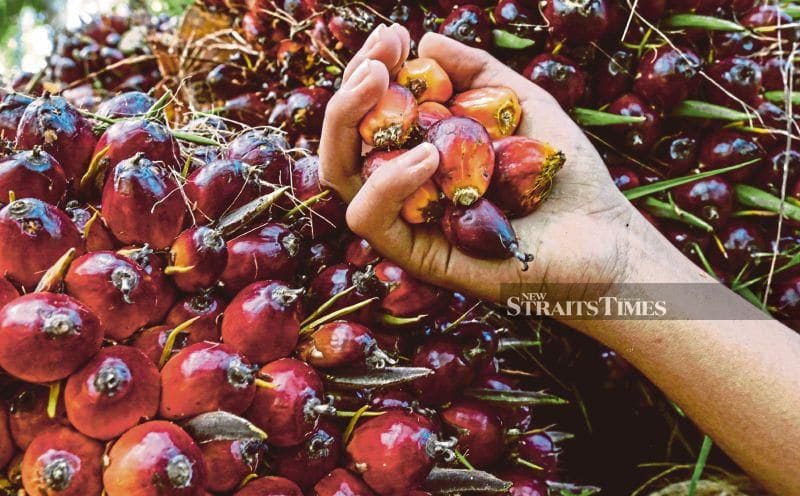
Malaysian palm oil futures closed at RM4,709 per tonne on Thursday, marking a 1.88 per cent gain and the highest settlement in more than three months. The October contract on Bursa Malaysia Derivatives Exchange reached an intraday peak of RM4,721, a level unseen since April 8, as traders factored in tighter supply forecasts and strengthening demand from the biodiesel sector.
The rally reflects a convergence of weather-related production risks and energy market dynamics that are reshaping the outlook for Southeast Asia's dominant edible oil. Palm oil accounts for roughly one-third of global vegetable oil supply, making price movements in Kuala Lumpur a bellwether for food and fuel costs across emerging markets.
Climate and Crop Outlook Drive Supply Concerns
Market participants are pricing in potential El Niño impacts that could squeeze output in the second half of 2026 and early 2027. Sandeep Singh, director at Kuala Lumpur-based consulting firm The Farm Trade, noted that funds are positioning for a breakout driven by looming weather risks and expectations of lower production in the fourth quarter of 2026 and first half of 2027.
The Malaysian Palm Oil Council projected that crude palm oil would trade between RM4,400 and RM4,650 per tonne in August, a range that the current rally has already exceeded. Industry watchers are monitoring weather patterns across Malaysia and Indonesia, which together produce more than 85 per cent of the world's palm oil.
Beyond Southeast Asia, soybean supply dynamics are adding support. Brazil's 2026/27 soybean crop is forecast to decline two per cent to 178 million tonnes, according to Rabobank, with challenging market conditions expected to stabilize planted area rather than expand it. That projection removes a potential source of downward pressure on vegetable oil prices globally.
Energy Markets Amplify Feedstock Appeal
Oil prices rose for a fifth consecutive session on Thursday, hitting a one-month high as tensions between the United States and Iran raised fears of supply disruptions along key transit routes. The spike in crude makes palm oil a more economically attractive feedstock for biodiesel producers, particularly in markets with blending mandates.
Singh highlighted biodiesel demand prospects amid Middle East tensions as one of several factors supporting the bullish case. When petroleum prices climb, renewable diesel margins improve, pulling more palm oil into industrial use and away from food applications.
Regional vegetable oil markets moved in tandem. Dalian's most-active soyoil contract gained 0.75 per cent, while its palm oil contract jumped 2.85 per cent. Soyoil on the Chicago Board of Trade advanced 0.84 per cent. Palm oil competes directly with soybean, rapeseed and sunflower oils for share in both food manufacturing and biofuel production, so price movements tend to track one another.
India Festive Demand Adds Seasonal Layer
India's edible oil imports are projected to climb between July and October as slower soybean and rapeseed crushing erodes domestic supplies ahead of peak festive demand. The country is the world's largest importer of vegetable oils, and its buying patterns exert significant influence on palm oil pricing.
Festive seasons in India, including Diwali and Dussehra, traditionally drive higher consumption of fried snacks and sweets, lifting demand for cooking oils. When domestic oilseed processing lags, importers turn to international markets, and palm oil typically captures the largest share due to its price competitiveness relative to soy and sunflower oils.
The combination of anticipated Indian demand, tighter supply forecasts and energy-driven biodiesel appetite has created a technical setup that traders believe could sustain prices above recent trading ranges. Whether the rally holds will depend on actual production data from Malaysia and Indonesia in coming months, as well as the trajectory of crude oil and the intensity of any El Niño weather pattern that materializes.
RELATED STORIES

Malaysian Palm Oil Giant KLK Swings to RM1.34 Billion Quarterly Loss
Priyanka V. Rao · 3 min

Malaysia Breaks Ground on 500km Transmission Backbone to Unlock Renewable Capacity
Priyanka V. Rao · 3 min
Malaysia's Petronas Reports Steady Earnings Amid Energy Security Push
Priyanka V. Rao · 2 min

Malaysia's KLCI Index to Add 20 Stocks in Phased Expansion
Jun-ho Seo · 2 min
Spot something wrong? Email editor@briefasia.com. We log every correction publicly.