Finance · Markets
Malaysian Equities Drop as Fed Rate Hold Weighs on Regional Sentiment
Kuala Lumpur's benchmark index slipped in early trading Thursday as US central bank policy pause ripples through Asian markets
KEY TAKEAWAYS
- ·Malaysia's FTSE Bursa Malaysia KLCI fell 2.68 points to 1,712.88 in early trading Thursday, with losers outnumbering gainers 239 to 76.
- ·The decline followed the Federal Reserve's decision to hold interest rates steady, dampening sentiment across regional equity markets.
- ·Low turnover of 98.08 million shares suggests cautious positioning rather than broad selling pressure as investors await clearer economic signals.
Opening Bell Decline
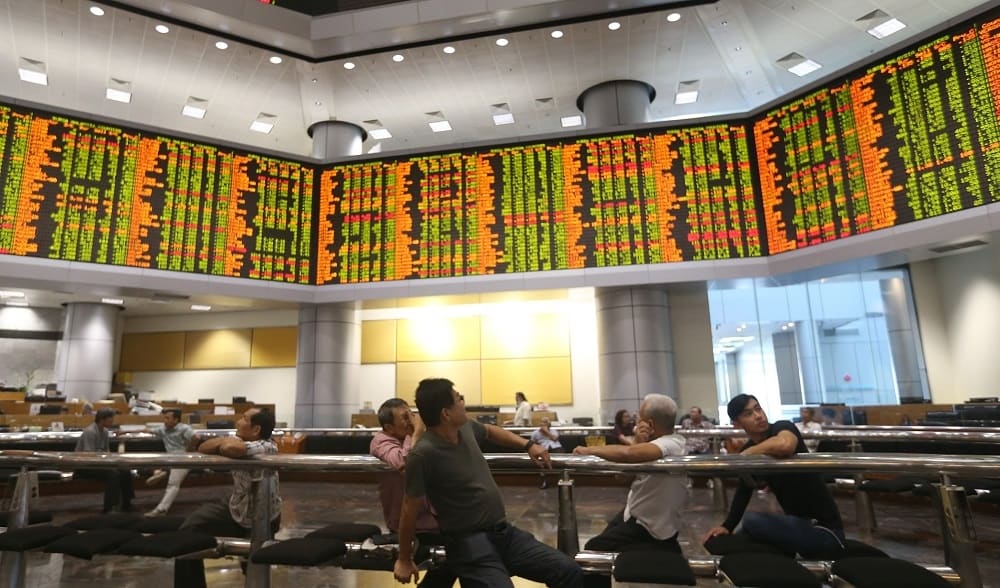
Malaysia's equity market opened weaker Thursday morning, tracking subdued sentiment across regional bourses after the United States Federal Reserve held interest rates unchanged at its latest policy meeting. The FTSE Bursa Malaysia KLCI fell 2.68 points to 1,712.88 as of 9:05 a.m. local time, down from Wednesday's close of 1,715.56, according to Bursa Malaysia data.
The benchmark index had opened the session 1.14 points lower at 1,714.42 before extending losses through the first hour of trading.
Broad Market Weakness
Market breadth reflected the cautious mood, with declining stocks significantly outnumbering advancers. Losers led gainers 239 to 76, while 237 counters remained unchanged. A substantial portion of the market saw limited activity, with 2,225 stocks untraded and 87 suspended from trading.
Early turnover reached 98.08 million shares valued at RM56.55 million, indicating subdued participation as investors digested overnight developments from Washington.
Fed Policy Ripple Effect
The Malaysian equity retreat followed the Federal Reserve's decision at its Federal Open Market Committee meeting to keep its benchmark interest rate steady. That move, while widely anticipated by economists, reinforced expectations that borrowing costs in the world's largest economy will remain elevated for an extended period.
Higher US interest rates typically draw capital away from emerging markets as investors chase better returns in dollar-denominated assets with lower perceived risk. The policy stance also strengthens the dollar, making returns from Asian equities less attractive when converted back to the US currency.
Malaysia's export-dependent economy remains sensitive to shifts in global monetary policy. The country's trade flows, denominated largely in dollars, face pressure when the greenback strengthens against regional currencies. A firmer dollar also raises import costs for energy and raw materials, potentially squeezing corporate margins.
Regional Context
Southeast Asian equity markets have faced headwinds in recent sessions as investors recalibrate expectations around the timing and pace of potential US rate cuts. Earlier optimism that the Federal Reserve might pivot toward easing has given way to a more cautious outlook, with inflation concerns and resilient US employment data complicating the central bank's calculus.
Malaysia's central bank, Bank Negara Malaysia, has maintained its own accommodative stance to support domestic growth, but the widening interest rate differential with the United States puts pressure on capital flows. Fund managers balancing portfolios across Asia often reduce exposure to markets where returns fail to compensate for currency and policy uncertainty.
The KLCI's morning slide reflects a broader pattern across the region, where equity indices in Singapore, Thailand, and Indonesia have also come under pressure following the Fed announcement. Investors are now watching for corporate earnings reports and economic data releases that might offer clearer signals about growth trajectories in the second half of the year.
Market Dynamics Ahead
Trading volumes in the opening hour suggested many participants were holding back, waiting for clearer direction. The low turnover figure relative to the number of declining stocks indicates that sell-side pressure was modest rather than panicked, with most investors adjusting positions incrementally rather than exiting en masse.
Analysts expect volatility to persist as markets digest the implications of sustained higher rates in the US. For Malaysian equities, much will depend on how domestic corporate earnings hold up amid external headwinds and whether the ringgit can stabilize against the dollar. Currency weakness could benefit exporters but weigh on consumer and import-reliant sectors.
The broader question for regional investors is whether current valuations in Southeast Asian markets adequately reflect the risks of prolonged tight monetary conditions in developed economies. As the Fed maintains its hawkish stance, capital allocation decisions will increasingly hinge on which Asian markets can demonstrate resilient growth independent of Western rate cycles.
RELATED STORIES

K-One Technology Shares Surge 15% on RM94 Million Subsidiary Sale Vote
Tran Quoc Bao · 3 min
Malaysian Ringgit Strengthens on Strong US Jobs Data
Tran Quoc Bao · 3 min

Malaysia Hospital Group A1Health Prepares US$1.7 Billion IPO for Early 2027
Tran Quoc Bao · 2 min
Malaysian Equities Climb in Morning Session as Regional Investors Weigh Oil Price Rally
Anand Sundaram · 3 min
Spot something wrong? Email editor@briefasia.com. We log every correction publicly.