Asia · Trending
Malaysian Consumers Cut Back on Ride-Hailing and Delivery Services Amid Cost Pressures
Industry observers report growing price sensitivity as households prioritize value over convenience in mobility and food spending
KEY TAKEAWAYS
- ·Survey of 1,003 Malaysian users found 82 percent would change ride-hailing and delivery habits if platform prices rise further with fuel costs.
- ·First-quarter 2026 data showed private consumption grew 4.7 percent year on year, with transport spending up 9.2 percent and restaurant outlays climbing 12.9 percent.
- ·Industry observers expect underlying demand for mobility services to hold steady over the next twelve months, driven by commuting, tourism, and public transit connections.
Shifting Spending Patterns
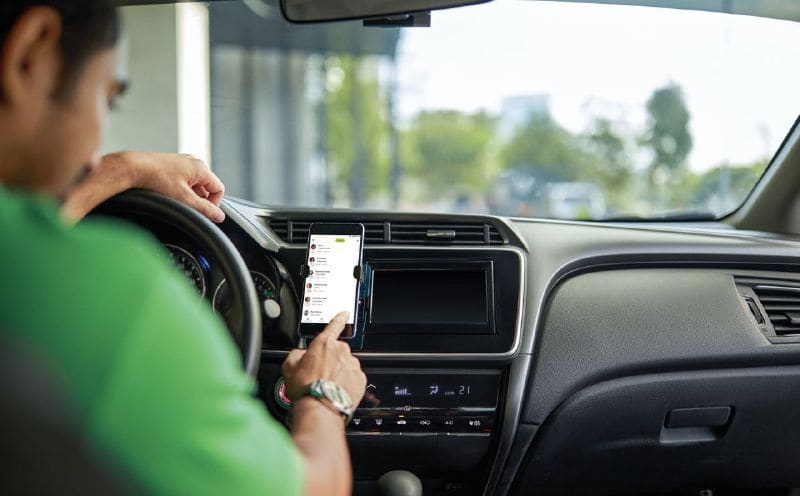
Households across Malaysia are pulling back on how often they book rides and order meals through apps, responding to mounting cost-of-living pressures that have made every ringgit count. Research from Rakuten Insight covering just over 1,000 users found that more than four in five would recalibrate their habits if platform pricing climbs alongside fuel costs.
Masrizal Mahidin, who leads the eHailing Malaysia Coalition, said the data underscores a behavioral pivot rather than wholesale abandonment. People still depend on these platforms to get to work, run errands, and feed their families, but they are now calculating each transaction more carefully. "They skip trips that can wait, hunt for discount codes, book outside rush periods, and compare what different apps are charging," Masrizal explained.
What Users Plan to Do
The survey broke down the likely responses if fares and delivery fees continue upward. Just over a quarter said they would migrate to buses, trains, their own vehicles, or home cooking. A similar share indicated they would simply use the services less often. Seventeen percent said they would wait until a promotion appears before opening the app, while one in ten would stop entirely. Only eight percent of respondents said convenience matters enough that they would keep booking at the same rate regardless of price.
Economic Context
Doris Liew, an economist watching consumer behavior, noted that pullbacks in ride-hailing and takeaway orders can act as early signals of broader household strain, since these categories sit on the discretionary side of budgets and can be trimmed quickly. Yet the macroeconomic picture in Malaysia does not yet show a sharp slowdown. Official figures for the first quarter of 2026 recorded private consumption growth of 4.7 percent year on year, with transport outlays up 9.2 percent and spending at restaurants and hotels climbing 12.9 percent.
Liew cautioned against reading too much into platform trends in isolation. "A drop in delivery orders happening at the same time restaurant sales are strong might just mean people are going out to eat instead of staying home," she said. She recommended tracking public transport ridership, retail foot traffic, wage data, and employment alongside app usage to build a fuller view.
Platform Perspectives
Mark Tolley, who oversees Asia-Pacific operations for inDrive, said his company has seen heightened scrutiny from both sides of the transaction. Passengers weigh the cost of each journey more closely, while drivers factor in fuel, servicing, insurance, and wear when deciding whether a fare makes financial sense. Despite that caution, Tolley expects the underlying need for ride-hailing to hold steady over the next year, driven by commuting, tourism, airport runs, and connections to public transit hubs.
He acknowledged that discretionary trips and non-essential deliveries could come under pressure if pricing rises sharply, but he believes essential mobility demand will prove resilient.
Balancing the Equation
Masrizal argued that the industry cannot rely on fare hikes alone to navigate cost inflation. He called for structural changes that protect affordability for consumers, keep platforms competitive, and ensure gig workers earn enough to cover their expenses and make a living. "The solution has to work for everyone in the chain, or the model breaks down," he said.
The tension between keeping prices accessible and maintaining driver earnings has sharpened as fuel, vehicle maintenance, and insurance premiums have all moved higher. Platforms face the challenge of managing those costs without triggering the user exodus that the Rakuten survey suggests is possible if pricing climbs too far or too fast.
What Comes Next
For now, demand for ride-hailing and delivery in Malaysia remains intact, even as users become pickier about when and how they spend. The survey results and industry commentary point to a market in transition, where loyalty hinges on perceived value rather than habit. Platforms that can offer transparent pricing, meaningful promotions, and reliable service during off-peak windows may be better positioned to retain users who are watching their wallets more closely than before.
The broader question is whether this cautious phase represents a temporary adjustment to a spike in costs or the start of a longer-term recalibration in how Malaysians allocate their household budgets. Economic data over the coming quarters will offer more clarity on whether the resilience in restaurant and transport spending can be sustained, or whether the early warning signs visible in app-based services will spread to other parts of the consumer economy.
RELATED STORIES
Penang Captures 34% of Malaysia's Manufacturing Investment in First Half
Anand Sundaram · 2 min
Malaysia's Rare Earth Deposits Draw Foreign Interest Ahead of China Export Controls
Priyanka V. Rao · 3 min
Malaysia's Petronas Reports Steady Earnings Amid Energy Security Push
Priyanka V. Rao · 2 min

Selangor Pulls RM70 Billion in Six Months as Services and Manufacturing Drive Malaysia's Richest State
Anand Sundaram · 4 min
Spot something wrong? Email editor@briefasia.com. We log every correction publicly.