Finance · Markets
Malaysia's Ringgit Holds Steady as US Factory Data Signals Rate Pressure
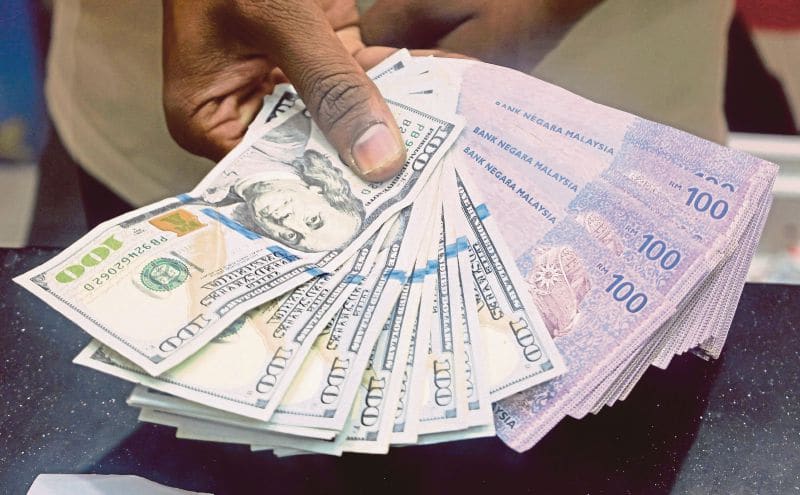
The currency traded flat against the dollar at 4.0935 after stronger-than-expected manufacturing figures reinforced expectations of tighter Fed policy.
KEY TAKEAWAYS
- ·Malaysia's ringgit opened at 4.0935 per dollar on Tuesday, unchanged from the prior session, while gaining against other major currencies.
- ·US manufacturing activity rose to 55.6 points in July, above the 54.0 consensus, reinforcing expectations of sustained Federal Reserve rate pressure.
- ·The stronger dollar outlook poses challenges for Southeast Asian currencies as capital flows favor higher US yields over emerging market assets.
Currency Opens Mixed Across Major Pairs
Malaysia's ringgit opened Tuesday trading nearly flat against the US dollar while gaining ground against other major currencies, reflecting the latest shift in regional foreign exchange markets following fresh economic data from the United States.
The local currency traded at 4.0935 per dollar at the 8am open in Kuala Lumpur, virtually unchanged from Monday's close of 4.0935, according to Bank Muamalat Malaysia. Against other major currencies including the euro and yen, the ringgit posted modest gains as traders digested overnight manufacturing figures from the world's largest economy.
The stability comes after weeks of volatility across Southeast Asian currencies, which have faced headwinds from a resilient dollar and expectations of prolonged higher interest rates in advanced economies. For Malaysia, the exchange rate dynamic carries particular weight given the country's export-dependent economy and its reliance on imported energy and industrial inputs priced in dollars.
Factory Data Surprises Markets
The Institute for Supply Management reported its Manufacturing Purchasing Managers' Index rose to 55.6 points in July, well above the market consensus of 54.0 points and signaling robust expansion in the US industrial sector. Any reading above 50 indicates growth.
The upside surprise has reinforced market expectations that the Federal Reserve may need to maintain its tightening stance longer than previously anticipated, according to Mohd Afzanizam Abdul Rashid, chief economist at Bank Muamalat Malaysia. That outlook tends to support the dollar by attracting capital flows seeking higher yields, creating headwinds for emerging market currencies including the ringgit.
US manufacturing has shown surprising resilience even as the Fed has raised interest rates aggressively over the past year to combat inflation. The July figure suggests that demand for goods remains strong and that supply chain pressures have eased, allowing factories to ramp up production without triggering new bottlenecks.
Regional Currency Dynamics
The ringgit's performance sits within a broader pattern across Southeast Asia, where central banks have been navigating the tension between supporting domestic growth and defending their currencies against dollar strength. Malaysia's central bank has held its benchmark rate steady in recent months after a series of hikes in 2023, opting to monitor the impact of previous tightening rather than match the Fed move for move.
Currency stability matters for Malaysia's economy on multiple fronts. A weaker ringgit raises the cost of imports, particularly for energy and intermediate goods used in manufacturing, which can feed through to domestic inflation. At the same time, a stronger ringgit can squeeze the competitiveness of exporters, who account for a significant share of national output and employment.
The balancing act has become more complex as Malaysia's economy transitions toward higher-value manufacturing and services, sectors where currency volatility can disrupt investment planning and cross-border contracts. Electronics, machinery, and petrochemical exports remain key drivers of foreign exchange earnings, and any sustained shift in the ringgit's value ripples through corporate balance sheets and government revenue projections.
Market Attention Turns to Fed Signals
Traders will be watching closely for signals from Federal Reserve officials in the coming weeks about the trajectory of US monetary policy. The July manufacturing data adds to a mixed picture that includes a cooling labor market but persistent inflation in some categories, leaving the Fed's next moves uncertain.
For Malaysia and other regional economies, the path of US rates shapes capital flow patterns and financing costs. Higher rates in the United States tend to pull investment dollars out of emerging markets, putting downward pressure on local currencies and raising borrowing costs for governments and companies alike.
The ringgit has been one of the more stable currencies in the region so far this year, supported by Malaysia's current account surplus and steady foreign direct investment in manufacturing and digital infrastructure. However, any sharp moves in global risk sentiment or unexpected shifts in Fed policy could test that resilience.
Market participants will also be monitoring domestic data releases, including upcoming trade figures and inflation numbers, for clues about the health of Malaysia's economy and the likely stance of its central bank. The interplay between local fundamentals and external financial conditions will continue to drive the ringgit's trajectory in the months ahead.
RELATED STORIES
Malaysian Equities Climb in Morning Session as Regional Investors Weigh Oil Price Rally
Anand Sundaram · 3 min

Malaysia's KLCI Index to Add 20 Stocks in Phased Expansion
Jun-ho Seo · 2 min
Ringgit Strengthens as Malaysia's Stable Rates Signal Policy Flexibility
Mariel D. Santos · 3 min
Ringgit Set to Hold Gains as Malaysia Central Bank Meeting Nears
Priyanka V. Rao · 3 min
Spot something wrong? Email editor@briefasia.com. We log every correction publicly.