Sustainability · Climate
Malaysia Faces Heat Protection Debate as Temperature Records Loom
Labor advocates push for new regulations while officials focus on enforcing current laws ahead of extreme weather warnings
KEY TAKEAWAYS
- ·Malaysia's meteorology department has warned of potential record high temperatures next year, triggering debate over outdoor worker protections.
- ·Labor advocates are calling for new heat-specific regulations while occupational health officials say current laws are sufficient and enforcement should be strengthened.
- ·The policy decision will influence regional labor standards as Southeast Asian countries face similar climate pressures and workforce safety questions.
Warnings Mount Ahead of Temperature Surge
Malaysia is heading into a period of potentially unprecedented heat, according to warnings from the country's meteorology department, which has put next year's temperature forecasts at record levels. The alert has triggered debate between labor advocates and occupational health authorities over whether existing worker protection measures are adequate.
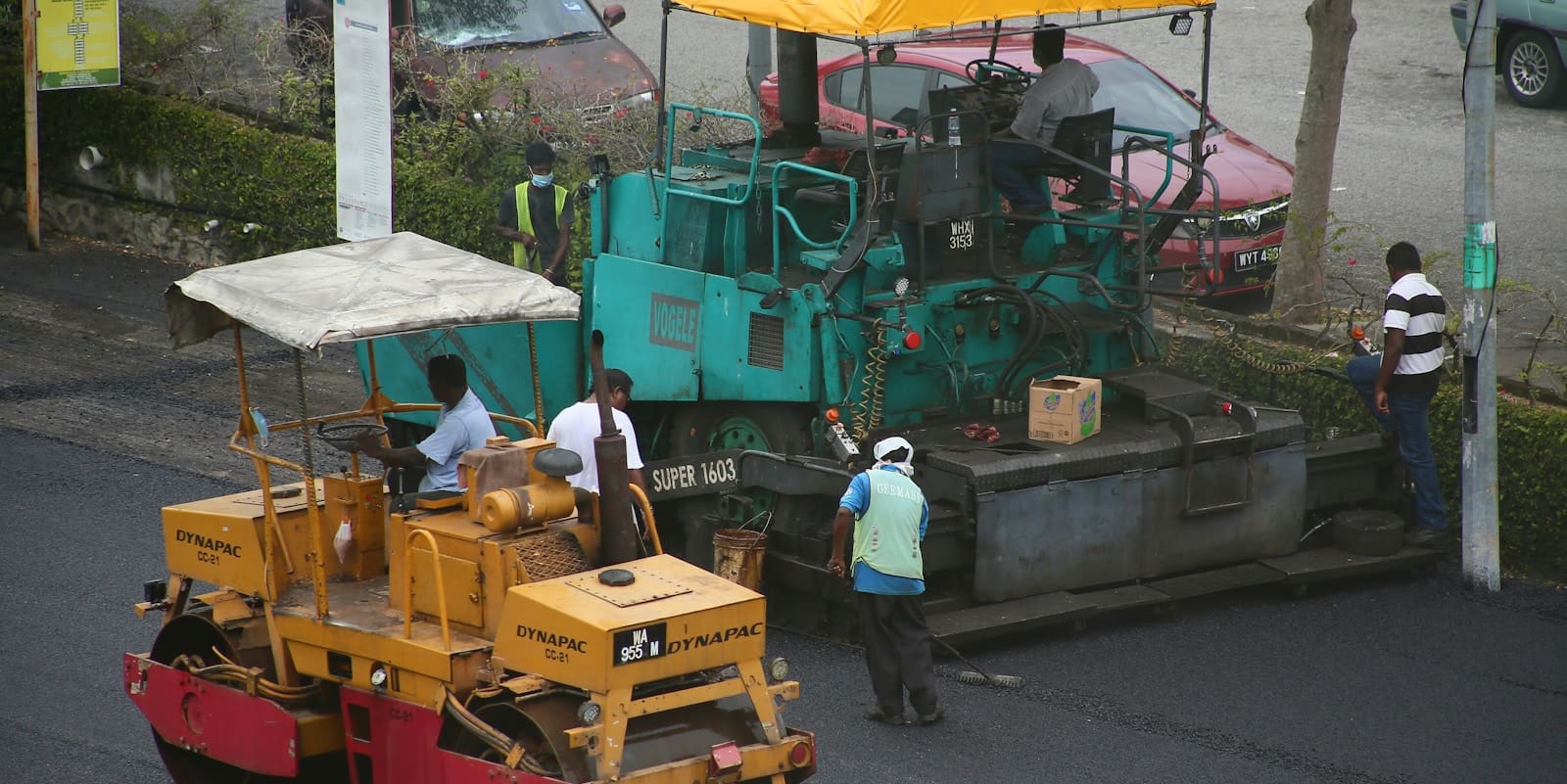
The dispute centers on whether Malaysia needs new regulations specifically designed for extreme heat conditions, or whether current occupational safety frameworks can handle the challenge. Labor rights groups argue that outdoor workers, who form a substantial portion of the Malaysian workforce across construction, agriculture, and logistics sectors, face mounting risks without explicit heat-related protections.
Malaysia's occupational health regulator has responded by emphasizing enforcement of existing regulations rather than introducing additional measures. Officials say current occupational safety and health laws already provide frameworks for employer obligations during hazardous conditions, including extreme temperatures.
The Enforcement vs. Regulation Question
The regulator's position reflects a preference for strengthening compliance with established rules over creating new layers of regulation. This approach assumes that gaps in worker protection stem from inadequate enforcement rather than insufficient legal frameworks.
Labor advocates counter that existing laws lack specificity for heat-related hazards. Generic occupational safety provisions may not address the particular challenges of extreme heat, such as mandatory rest intervals, hydration requirements, or temperature thresholds that trigger work stoppages.
The debate carries economic implications for industries heavily reliant on outdoor labor. Construction projects, plantation operations, and infrastructure development could face operational adjustments if new heat-specific regulations mandate cooling periods or limit working hours during peak temperature periods.
Regional Context and Climate Trajectory
The meteorology department's forecast aligns with broader climate patterns affecting Southeast Asia. Temperature records have fallen across the region in recent years, with urban heat islands in major cities intensifying the effects. Malaysia's position near the equator makes it particularly vulnerable to sustained high temperatures.
Other countries in the region have begun implementing heat-specific labor protections. Singapore introduced guidelines for outdoor work during high heat-stress conditions, while Thailand has established temperature thresholds for agricultural workers. These regional precedents provide potential models for Malaysian policymakers.
The timing of the debate is significant. If record temperatures materialize as forecast, any regulatory gaps will become immediately apparent. Industries and regulators operating under existing frameworks will face a real-world test of whether current measures suffice.
What Comes Next
The standoff between advocates and regulators will likely persist until temperature data provides clearer evidence. If next year's conditions prove as severe as meteorologists predict, pressure for specific heat protection measures will intensify.
Employers in affected sectors face uncertainty about future compliance requirements. Companies making proactive adjustments to protect workers may gain operational advantages if new regulations eventually arrive, while those waiting for mandates risk being caught unprepared.
The outcome will influence labor policy across Southeast Asia. Malaysia's decision on whether to adopt heat-specific regulations or rely on existing frameworks will be closely watched by neighboring countries confronting similar climate pressures and workforce protection questions.
RELATED STORIES
Telekom Malaysia Eyes Role in National Submarine Cable Project
Priyanka V. Rao · 3 min

Malaysia Shields Proton Despite Geely's Stake in Automaker
Priyanka V. Rao · 3 min
Malaysia's Provident Fund Adds 442,000 Members as Labour Market Holds Steady
Priyanka V. Rao · 3 min
Malaysian Regulator Secures RM103.75 Million Judgment in Multi-Company Fraud Case
Priyanka V. Rao · 3 min
Spot something wrong? Email editor@briefasia.com. We log every correction publicly.