Finance · Markets
Malaysia Expands Main Index to 50 Stocks, Reducing Bank Concentration
The FBM KLCI overhaul marks the first expansion in 17 years, bringing technology, energy and REITs into the benchmark as market coverage rises to 70 percent
KEY TAKEAWAYS
- ·Malaysia will expand the FBM KLCI benchmark to 50 stocks from 30, the first change in 17 years, raising market coverage to 70 percent.
- ·Technology, energy and REIT sectors will enter the index, reducing the historical dominance of banking stocks in the benchmark.
- ·The expansion is expected to trigger passive fund rebalancing and improve liquidity for newly included mid-cap names.
A Long-Awaited Index Restructure
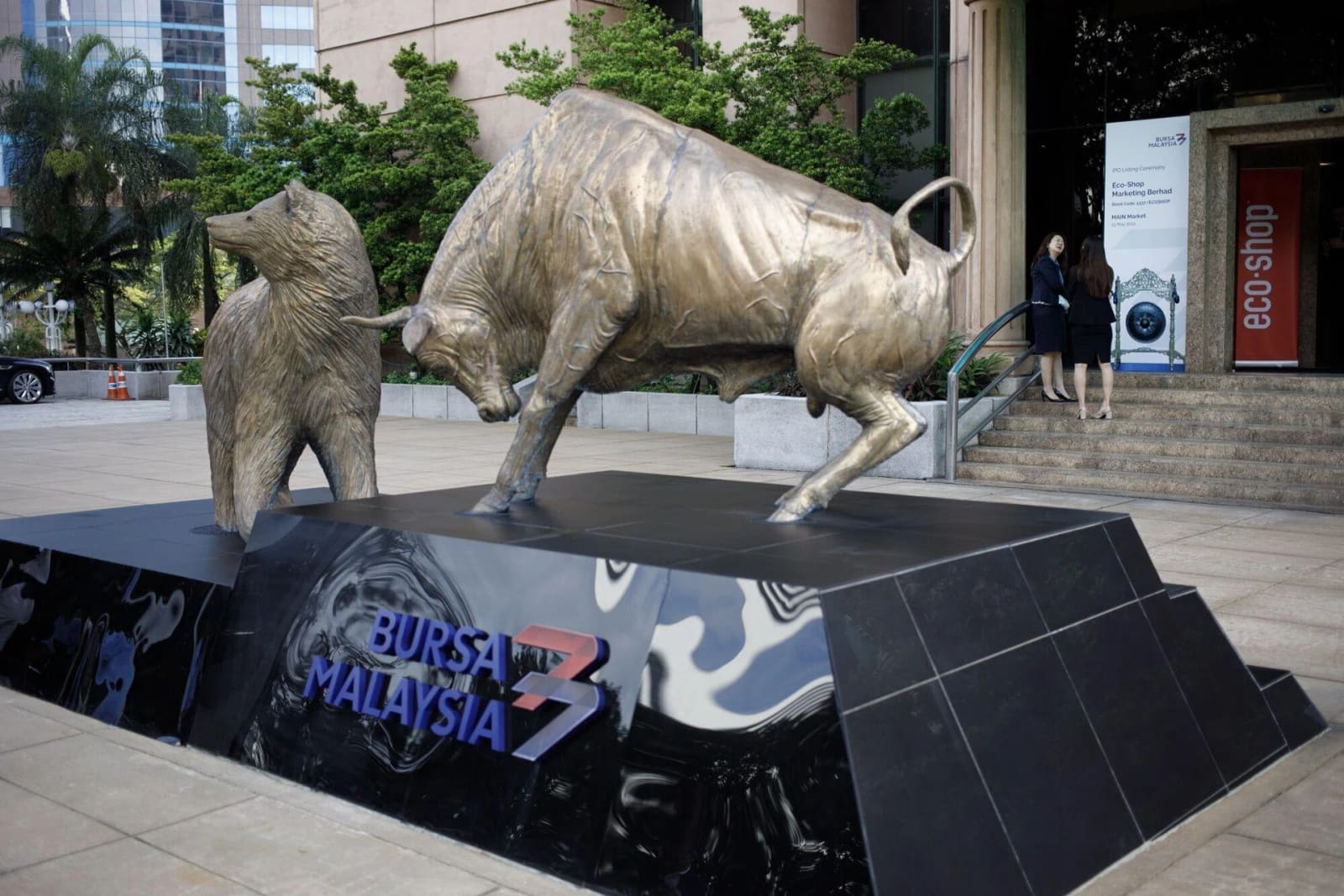
Malaysia's main equity benchmark is getting its first major expansion since 2009. Bursa Malaysia and FTSE Russell announced on August 20 that the FBM KLCI will grow to 50 constituents from its current 30, a move designed to broaden representation across the nation's listed universe and reduce the index's historical tilt toward financial services.
The change follows a public consultation conducted earlier this year and reflects mounting pressure from institutional investors who have long argued that the index's narrow composition fails to capture the breadth of Malaysia's economy. With the expansion, market coverage will rise to approximately 70 percent of the main board's total capitalization, up from roughly 50 percent under the current structure.
Tech, Energy and REITs Move Into Focus
The expanded lineup will bring technology, energy and real estate investment trusts into the benchmark, sectors that have been underrepresented or absent despite their growing weight in corporate earnings and foreign capital flows. Technology and construction stocks are expected to be among the primary beneficiaries when the new constituents are formally added.
Banking stocks have dominated the FBM KLCI for years, often accounting for more than a third of the index's weighting. That concentration has made the benchmark vulnerable to earnings cycles in the financial sector and limited its appeal to investors seeking exposure to Malaysia's industrial transformation and digital economy buildout.
The inclusion of REITs addresses another long-standing critique: Malaysia has one of the deepest REIT markets in Southeast Asia by number of listings, yet none of these income-generating vehicles have been represented in the headline index. Energy names, meanwhile, reflect the country's ongoing role as a regional oil and gas hub, even as the sector pivots toward renewables and liquefied natural gas infrastructure.
Implications for Passive Flows and Liquidity
Index expansions typically trigger rebalancing activity among passive funds and exchange-traded products that track the benchmark. Asset managers estimate that several billion dollars in assets are directly or indirectly linked to the FBM KLCI, meaning newly added stocks could see inflows as funds adjust their portfolios to match the revised weighting scheme.
Liquidity is another consideration. A larger index with more constituents can improve trading volumes for mid-cap names that previously sat outside the benchmark, making them more accessible to institutional buyers who face minimum liquidity thresholds. That dynamic has played out in other markets where index expansions preceded sustained increases in average daily turnover for newly included stocks.
The rebalancing also creates a natural opportunity for active managers to reassess sector allocations. With banks losing relative weight, fund managers who have been overweight financials may rotate into industrial, technology or property plays that now carry benchmark status.
Regional Context and Timing
Malaysia's move comes as other Southeast Asian bourses reconsider index methodologies. Thailand and Indonesia have both floated proposals to adjust constituent counts or screening criteria in recent years, reflecting a broader regional trend toward indices that better mirror economic structure rather than legacy blue-chip lists.
The timing is notable. Malaysia has been working to attract foreign portfolio investment after several years of net outflows, and a more diversified, liquid benchmark is often cited by allocators as a prerequisite for increasing country weightings. The expansion also coincides with government efforts to position Malaysia as a data-center and semiconductor assembly hub, sectors that will now have a clearer pathway into the index if they meet size and liquidity thresholds.
What Happens Next
Bursa Malaysia and FTSE Russell have not yet announced an implementation date, though industry observers expect the transition to occur in phases over the next six to twelve months. The exchange will publish detailed eligibility criteria and a timeline for constituent review, allowing market participants to model potential additions and prepare for rebalancing trades.
For now, the index overhaul signals a recognition that Malaysia's equity market has outgrown its benchmark. Whether the expanded FBM KLCI translates into sustained foreign interest will depend on earnings delivery, policy stability and the performance of the newly included sectors, but the structural shift removes a long-standing friction point for allocators eyeing the market.
RELATED STORIES
Malaysian Stocks Retreat on Profit-Taking and Regional Uncertainty
Priyanka V. Rao · 3 min

Malaysia's Syed Mokhtar Drops $2 Billion Port Listing Plan
Priyanka V. Rao · 3 min
Kuala Lumpur Benchmark Climbs in Early Trade on Wall Street Gains
Priyanka V. Rao · 2 min
Malaysian Ringgit Strengthens as Fed Rate Hike Bets Fade
Priyanka V. Rao · 3 min
Spot something wrong? Email editor@briefasia.com. We log every correction publicly.