Sustainability · Mobility
Malaysia Debates EV Levy to Fund Charging Network as Sales Surge Past 38,000 Units
With tax-free EVs capturing 5.2% of the market, policymakers weigh whether beneficiaries of open-market policies should finance infrastructure expansion
KEY TAKEAWAYS
- ·Malaysia's EV sales reached 38,675 units in the first seven months of 2026, up 94% year-on-year, as the market captured 5.2% of total industry volume in 2025.
- ·Over 40 US states impose annual EV fees of $50 to $250, while EU member states provide at least 1.3 kilowatts of public charging capacity per EV under legally binding regulations backed by €1 billion in funding.
- ·Industry groups support levies but emphasize that Malaysia's 14-month approval process for chargers, versus three to four months in neighboring countries, remains the primary barrier to infrastructure expansion.
A Controversial Proposal Gains Traction
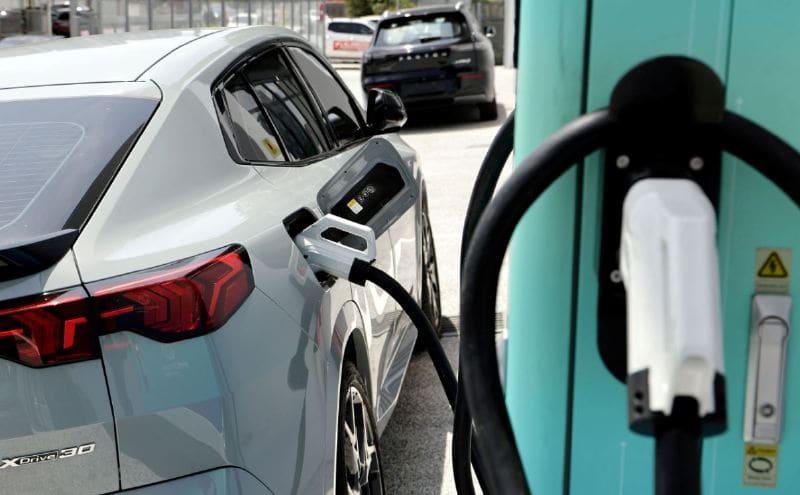
Malaysia's electric vehicle market has grown at breakneck speed, from 274 units in 2021 to 44,813 last year, and industry observers now argue that the infrastructure funding model must catch up. A proposal to impose levies on EV sales or registrations to fund public charging expansion has ignited public debate, yet similar mechanisms already operate across the United States and European Union.
More than 40 US states levy annual registration or infrastructure fees on EVs, ranging from $50 to over $250 per vehicle. The fees typically compensate for lost fuel tax revenue and, in some cases, directly fund charging grants. In Europe, the Alternative Fuels Infrastructure Regulation requires EU member states to provide at least 1.3 kilowatts of publicly available charging capacity per battery-electric vehicle in their national fleet, backed by a €1 billion funding programme. All EU member states except Malta had surpassed their requirements by the end of 2025, resulting in more than one million public charging points across the continent.
Datuk Shahrol Azral Ibrahim Halmi, president of the Malaysian Electric Vehicle Owners Club, noted that most US state levies replace fuel tax revenue while directing a portion toward EV charger grants. He emphasized that public funding becomes essential in scenarios where charging point operators face challenging economics, such as high-powered hubs requiring grid upgrades or rural areas with low traffic volumes.
Malaysia's Unique Position
Malaysia's fuel market operates differently from the US and Europe. Fuel is not only tax-free but also subsidised, which complicates direct comparisons. However, EV brands have enjoyed tax holidays on completely built-up units through 2025, with completely knocked-down units retaining incentives until the end of 2027. The trade-friendly policy opened Malaysia's market in 2022 and drove exponential growth. EVs accounted for 5.2% of total industry volume in 2025, with BYD Auto leading at 14,407 units sold, followed by Proton's e.MAS sub-brand at 8,890 units.
In the first seven months of this year, EV sales reached 38,675 units, a 94% increase over the same period last year, even as the tax holiday for imported CBUs ended. Automakers continued clearing existing stocks, sustaining momentum.
Existing Levy Mechanisms
Malaysia already operates a precedent for vehicle-related levies. Since 2010, importers of cars through open approved permits have paid fees of between RM10,000 and RM20,000 per vehicle. With approximately 35,000 cars imported annually by open AP holders, at least RM350 million has been collected each year. A portion of these funds has supported the EV Charging Station matching grant programme, administered by the Malaysian Automotive Robotics and IoT Institute.
Datuk Mohamed Nazari Noordin, president of the Malay Vehicle Importers and Traders Association, said his group supports the idea of a levy but stressed that the government must streamline approval processes. He pointed out that obtaining approvals for chargers currently takes around 14 months in Malaysia, compared with three to four months in a neighbouring country.
Industry Calls for Efficiency Over Capital
Nazari emphasized that the main barrier to building chargers is not a lack of funds. Around 30 charging point operators, including Gentari, JomCharge, and ChargeSini, have been investing in public charging stations across the country. He argued that their efforts should be encouraged through efficient fiscal and procedural incentives rather than additional capital injections.
Industry members who have paid into levy systems for years expressed frustration that accessing funds for programmes remains difficult. One Pekema member noted that the association has contributed to the Kumpulan Wang Amanah Dana Automotif Bumiputra for years and suggested that EV brands that benefited from zero taxes over the past five years should share the burden of funding infrastructure.
The Path Forward
For a levy system to work, it must be accompanied by transparent regulations that enforce its intended purpose. In Europe, the Alternative Fuels Infrastructure Regulation is legally binding, providing clarity and accountability. Shahrol raised the fundamental question facing Malaysian policymakers: what constitutes a fair method to raise the necessary funds for charging infrastructure while balancing the interests of consumers, automakers, and charging operators?
With EVs no longer taxed and the charging network expansion dependent on government income streams, the debate over who should pay for infrastructure has become urgent. As Malaysia's EV market matures, the answer will shape whether the country can sustain its rapid adoption trajectory or face bottlenecks that stall momentum.
RELATED STORIES
Malaysia Adopts ASEAN Taxonomy as Foundation for National Sustainable Finance Framework
Priyanka V. Rao · 3 min
Malaysia Construction Sector Posts RM47.8 Billion in Q2 Work Value
Priyanka V. Rao · 3 min
Malaysia's Coal Exit Faces Gas Trap Without Faster Renewable Build-Out
Priyanka V. Rao · 4 min
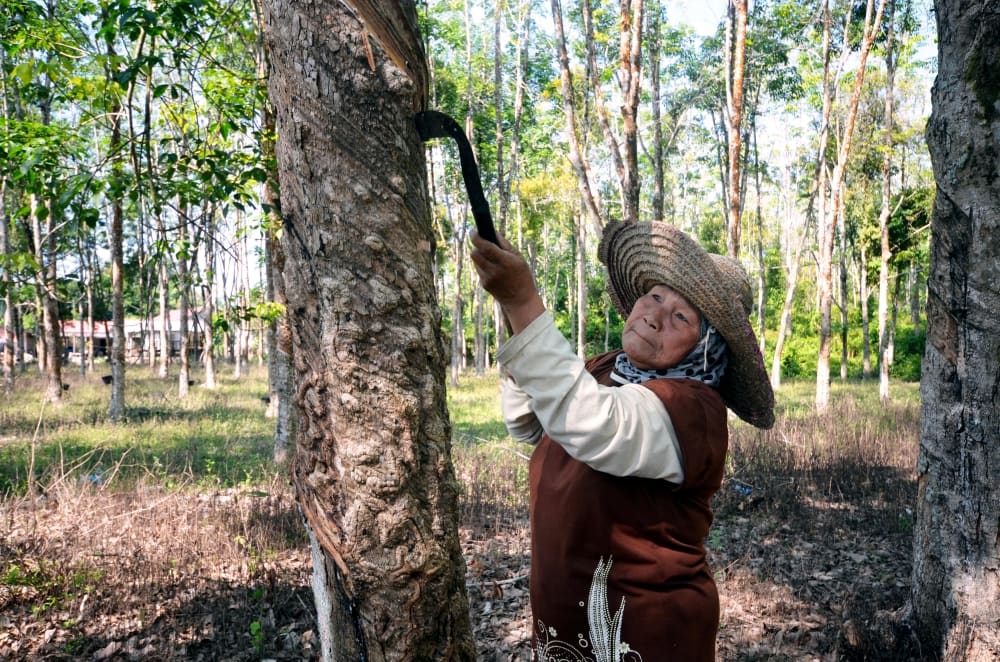
Malaysia's Natural Rubber Output Jumps on Smallholder Strength
Priyanka V. Rao · 3 min
Spot something wrong? Email editor@briefasia.com. We log every correction publicly.