Real Estate · Land
Malaysia Construction Sector Posts RM47.8 Billion in Q2 Work Value
Private sector drives double-digit expansion as special trade activities and non-residential projects fuel growth across the country's building industry
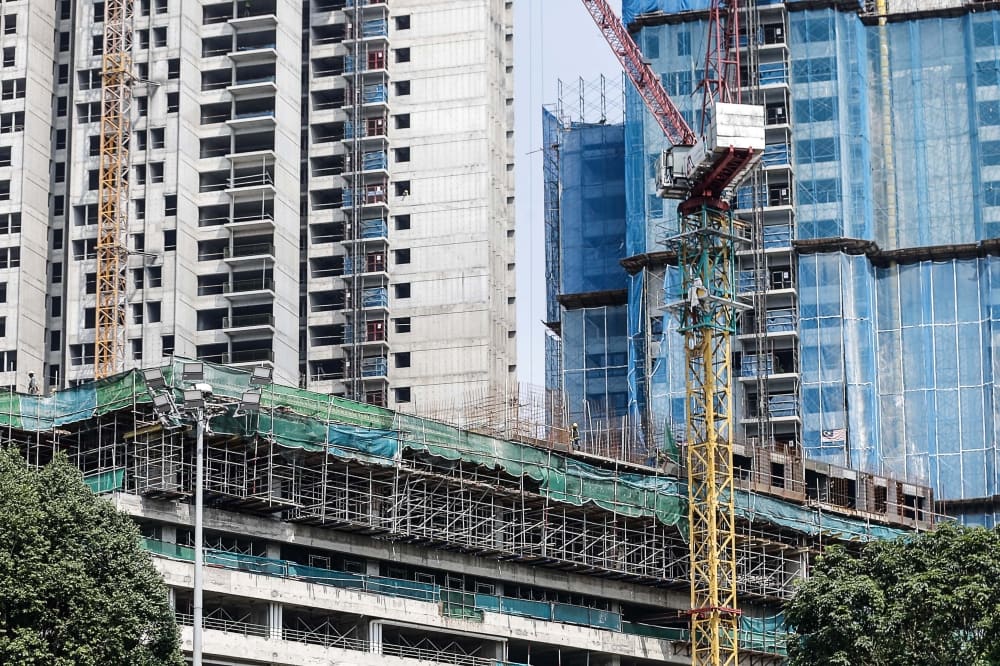
KEY TAKEAWAYS
- ·Malaysia's construction sector recorded RM47.8 billion in work value during Q2 2026, an 8.8% year-on-year increase, with special trade activities and non-residential projects leading growth.
- ·Private sector investment contributed RM31.4 billion, or 65.8% of total work value, growing 11.4% and outpacing the public sector's 4.1% expansion.
- ·Selangor, Johor, the Federal Territories, and Sarawak accounted for nearly 66% of national construction activity, with Selangor alone contributing RM12.2 billion.
Sustained Expansion Through Mid-Year
Malaysia's construction sector maintained its upward trajectory in the second quarter of 2026, with work value reaching RM47.8 billion, according to data from the Department of Statistics, Malaysia. The 8.8% year-on-year increase follows an 8.5% rise in the first quarter, signaling consistent momentum across Southeast Asia's infrastructure and building markets.
Special trade activities led the charge with 17.6% growth, while non-residential construction expanded 13.3%. Both sub-sectors posted double-digit gains as developers and contractors continued to respond to demand for commercial, industrial, and mixed-use projects across the peninsula and East Malaysia.
Residential building activity rose 8.7%, reflecting steady housing demand in urban centers. Civil engineering, encompassing roads, railways, and utilities, grew at a more modest 2.7% but still contributed the largest share of total work value at RM16.7 billion, or 35% of the quarter's output.
Infrastructure and Utilities Anchor Civil Works
Within the civil engineering category, utility projects accounted for RM8.1 billion, while road and railway construction generated RM6.9 billion. These figures underscore the government's ongoing commitment to transport corridors and energy infrastructure, particularly in less developed states and growth corridors linking Malaysia's west coast manufacturing hubs to eastern ports.
Non-residential buildings, which include factories, warehouses, logistics centers, and commercial complexes, contributed RM14 billion, representing 29.3% of total work value. Residential projects added RM10.9 billion, a 22.8% share, as developers pushed forward with landed homes and high-rise condominiums in Selangor, Johor, and Penang.
Special trade activities, covering site preparation, plumbing, HVAC, and electrical installation, brought in RM6.2 billion. Site preparation alone accounted for RM1.5 billion, with plumbing and electrical work each contributing RM1.3 billion, reflecting the breadth of ongoing fit-out and finishing work across large-scale developments.
Private Sector Commands Two-Thirds of Activity
Private investment remained the dominant force, contributing RM31.4 billion or 65.8% of the quarter's total. The private sector's 11.4% growth rate, while slightly softer than the 13.2% recorded in Q1, still outpaced public spending. Special trade activities within the private segment surged 20.2%, and non-residential building climbed 18.2%, driven by industrial estates, logistics parks, and retail projects.
Public sector work value rose 4.1% to RM16.4 billion, accounting for 34.2% of the total. The acceleration from a mere 0.5% in Q1 suggests renewed spending on infrastructure and public facilities, with special trade activities in the public domain growing 11%.
Regional Concentration in Key States
Nearly two-thirds of construction work value was concentrated in four regions. Selangor led with RM12.2 billion, or 25.5% of the national total. Non-residential projects contributed RM4.8 billion in the state, while residential building added RM3.2 billion, reflecting Selangor's position as Malaysia's industrial and logistics heartland.
Johor recorded RM9.4 billion, or 19.6% of total work value, with non-residential construction accounting for RM3.5 billion. The southern state continues to attract cross-border investment and manufacturing relocations, particularly in electronics and chemicals.
The Federal Territories of Kuala Lumpur, Putrajaya, and Labuan together registered RM5.2 billion, representing 10.8% of the total. Sarawak, Malaysia's largest state by land area, posted RM4.7 billion, or 9.9%, as energy and plantation-related infrastructure projects advanced.
First-Half Performance Moderates from 2025 Pace
For the first six months of 2026, cumulative work value reached RM94.3 billion, an 8.7% increase compared to the same period in 2025. Growth moderated from the 14.7% pace recorded in the first half of 2025, as base effects and supply chain normalization tempered expansion.
All sub-sectors contributed positive growth, with special trade activities leading at 21% and non-residential buildings at 13%. The data suggests that while headline growth has eased, underlying demand remains firm across commercial, industrial, and residential segments.
Malaysia's construction sector is navigating a landscape shaped by regional supply chain realignment, government infrastructure spending, and private capital flows targeting logistics and manufacturing capacity. The sector's ability to sustain high single-digit growth through mid-2026 positions it as a key contributor to the country's GDP and employment base.
RELATED STORIES
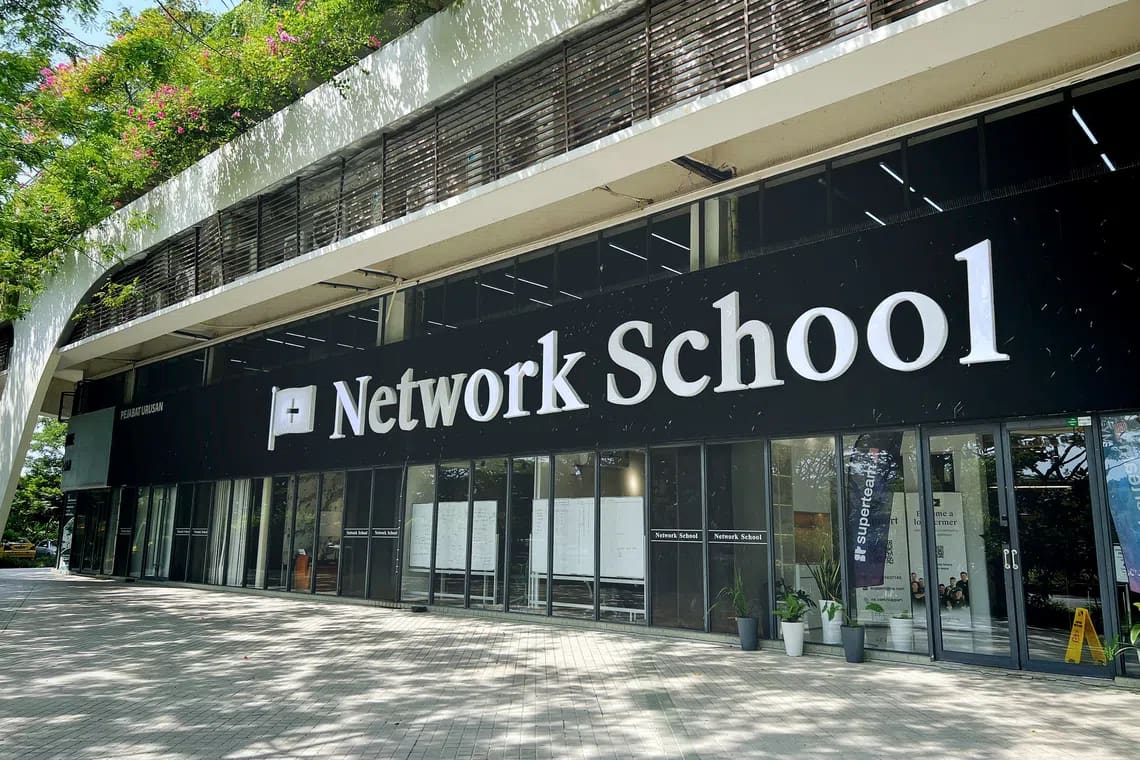
Malaysian Crypto Investor Plans New Tech Campus at Forest City
Priyanka V. Rao · 3 min
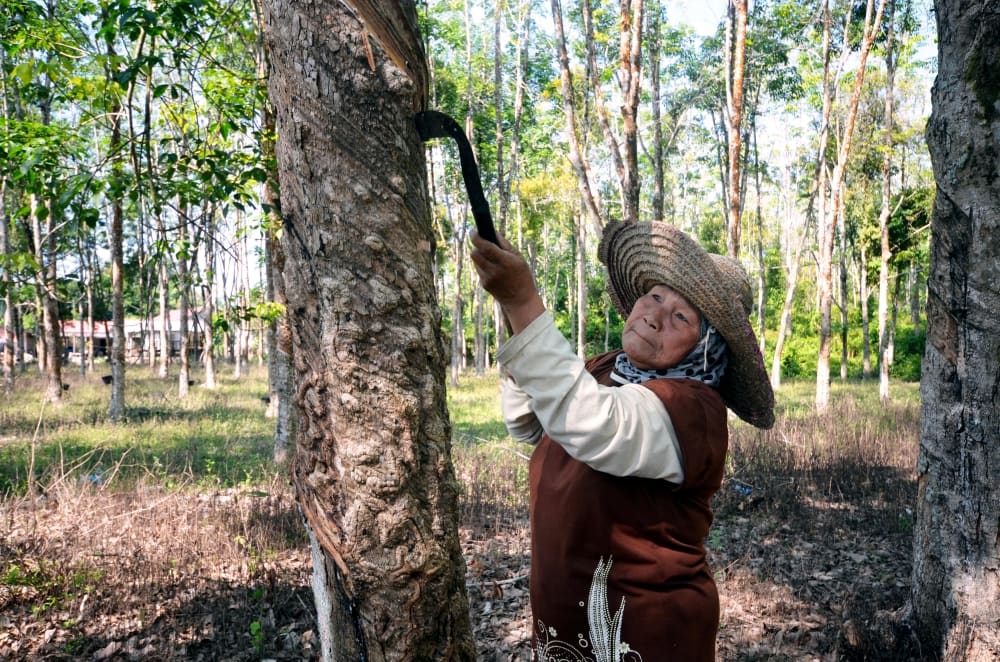
Malaysia's Natural Rubber Output Jumps on Smallholder Strength
Priyanka V. Rao · 3 min
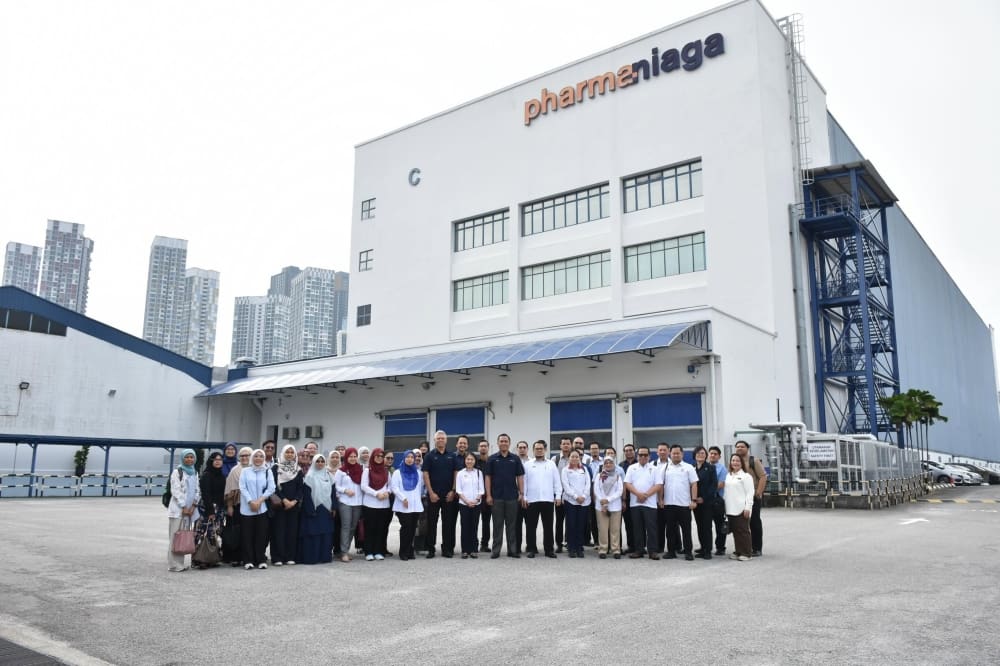
Malaysian Healthcare Group Posts Triple Net Profit on Debt Reduction Strategy
Priyanka V. Rao · 5 min
Malaysian Ringgit Strengthens Against Regional Peers as US Inflation Eases
Priyanka V. Rao · 5 min
Spot something wrong? Email editor@briefasia.com. We log every correction publicly.