Technology · Products
LX Semicon Begins Shipping Auto Chips to Hyundai and Kia
South Korea's largest fabless chipmaker enters the automotive semiconductor market with microcontroller units for motor control systems
KEY TAKEAWAYS
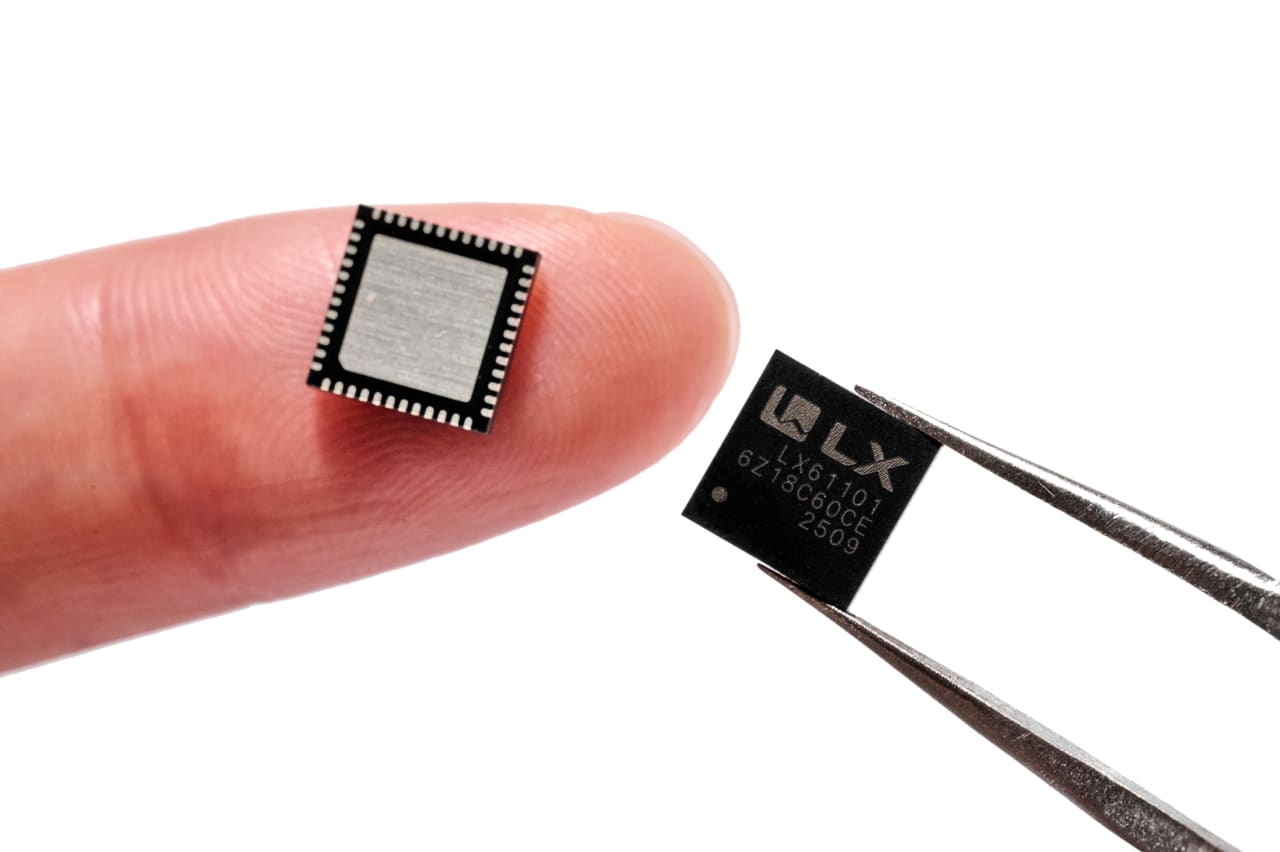
- ·LX Semicon has started volume production of the LX61101 automotive microcontroller and is now supplying Hyundai Motor and Kia for motor control applications.
- ·The deal marks the display-chip specialist's first commercial entry into automotive semiconductors, a market with higher margins and longer product lifecycles.
- ·Securing a domestic chip supplier reduces supply chain risk for Hyundai Motor Group and may accelerate development of future electric vehicle platforms.
A New Chapter for Korea's Chip Industry
LX Semicon has commenced volume shipments of automotive microcontroller units to Hyundai Motor and Kia, marking the Daejeon-based company's first commercial entry into vehicle semiconductors. The move signals a strategic pivot for South Korea's largest fabless chip designer, which has built its reputation primarily around display driver integrated circuits.
The company announced Monday that its LX61101 microcontroller has entered mass production. The chip manages motor control functions for components including power windows, side mirrors, and aerodynamic adjustment systems. These applications represent a growing segment within automotive electronics as vehicles incorporate more electromechanical systems for comfort, efficiency, and automated features.
From Displays to Drivetrains
LX Semicon's background lies in display technology. The firm emerged from LG's 2021 corporate restructuring, when the conglomerate spun off its materials and components businesses into the LX group. That legacy gave the company deep expertise in driver chips for screens but limited exposure to the automotive market, which now accounts for a significant share of global semiconductor demand.
The automotive chip sector has become increasingly attractive to Asian suppliers. Vehicle electrification, advanced driver-assistance systems, and digital cockpits have multiplied the number of semiconductors per car. Industry data suggests modern electric vehicles can contain chips worth more than $1,000 per unit, compared to several hundred dollars in conventional internal combustion models.
Motor control represents a foundational application within this landscape. While less visible than processors powering infotainment or autonomous driving, microcontrollers for actuators and motors are deployed across dozens of systems in each vehicle. Winning design slots with major automakers can translate into multi-year revenue streams as production scales.
Strategic Implications for Korean Auto Supply Chains
The partnership between LX Semicon and Hyundai-Kia carries broader significance for South Korea's industrial ecosystem. Korean automakers have historically relied on European, Japanese, and American semiconductor suppliers for critical components. Developing a domestic source for automotive-grade chips reduces supply chain risk and can accelerate co-development of next-generation vehicle architectures.
Hyundai Motor Group has been vocal about semiconductor sourcing challenges, particularly after the global chip shortage that constrained auto production in 2021 and 2022. Establishing relationships with local chipmakers aligns with the group's stated goal of securing stable component pipelines for its expanding electric vehicle lineup.
For LX Semicon, automotive chips offer higher margins and longer product lifecycles than consumer display drivers, which face intense competition and rapid obsolescence. Automotive qualification processes are rigorous, requiring chips to meet stringent reliability and temperature standards, but successful designs can remain in production for a decade or more.
Market Context and Competitive Landscape
The automotive microcontroller market is dominated by established players including Infineon, NXP Semiconductors, Renesas, and Texas Instruments. These firms have spent decades building automotive portfolios and customer relationships. Breaking into this space requires not only technical capability but also the patience to navigate lengthy validation cycles.
LX Semicon's entry comes at a moment when Asian chipmakers are pushing deeper into automotive. Chinese firms have ramped production of lower-end microcontrollers, while Japanese suppliers continue to hold strong positions in power management and sensor chips. Korean players, beyond LX Semicon, include Samsung and SK Hynix, though those companies focus primarily on memory and foundry services rather than automotive-specific logic chips.
The LX61101's initial application in motor control suggests a pragmatic entry strategy. These functions are critical but less complex than powertrain control or safety systems, offering a pathway to establish automotive credentials before tackling higher-stakes applications.
What Comes Next
Whether LX Semicon can expand beyond this initial foothold will depend on execution and investment. Automotive chip programs require sustained R&D spending, close collaboration with automakers during design phases, and manufacturing partnerships capable of meeting automotive quality standards. The company's fabless model means it relies on contract manufacturers, likely including Samsung Foundry or TSMC, to produce the chips.
The Hyundai-Kia deal provides validation and a reference customer that can open doors with other automakers. If LX Semicon can demonstrate reliability and cost competitiveness, it may pursue adjacent applications such as body control modules, lighting systems, or sensor interfaces. Each step deeper into the automotive stack would strengthen its position in a market that shows no signs of slowing.
RELATED STORIES
Tesla Taps Samsung and LG for Cybercab Camera Supply
Cheng Wei-Lun · 3 min
Memory Chipmakers Eye Automotive Market as Next Growth Frontier
Cheng Wei-Lun · 3 min
SK Hynix Reviews Future of China Packaging Facility Amid $3 Billion Valuation Talk
Cheng Wei-Lun · 2 min
Posco Future M Lands 190,000-Ton LFP Cathode Contract in Energy Storage Push
Jun-ho Seo · 3 min
Spot something wrong? Email editor@briefasia.com. We log every correction publicly.