Asia · Business
Kumamoto Earthquake Forces Extended Auto Plant Shutdowns Across Kyushu
Major Japanese automakers keep production lines idle as damaged infrastructure disrupts parts supply chains following last week's seismic event
KEY TAKEAWAYS
- ·Automotive plants across Kyushu remain closed over a week after the Kumamoto earthquake as damaged roads prevent parts deliveries to assembly facilities.
- ·The disruption threatens production schedules across Southeast Asia, where factories depend on components manufactured in southern Japan's industrial corridor.
- ·Infrastructure repair timelines remain uncertain, with some routes requiring full reconstruction that could extend shutdowns for weeks or months.
Production Lines Stay Dark
Automotive manufacturing facilities across Japan's Kyushu region remain shuttered more than a week after a powerful earthquake struck Kumamoto Prefecture, with no immediate timeline for resumption as infrastructure damage continues to block critical supply routes.
The extended closures affect multiple vehicle assembly operations and component suppliers clustered in southern Japan, a manufacturing corridor that feeds into the global automotive supply chain. Roads connecting factories to suppliers remain impassable in multiple locations, preventing the movement of parts required to restart production lines.
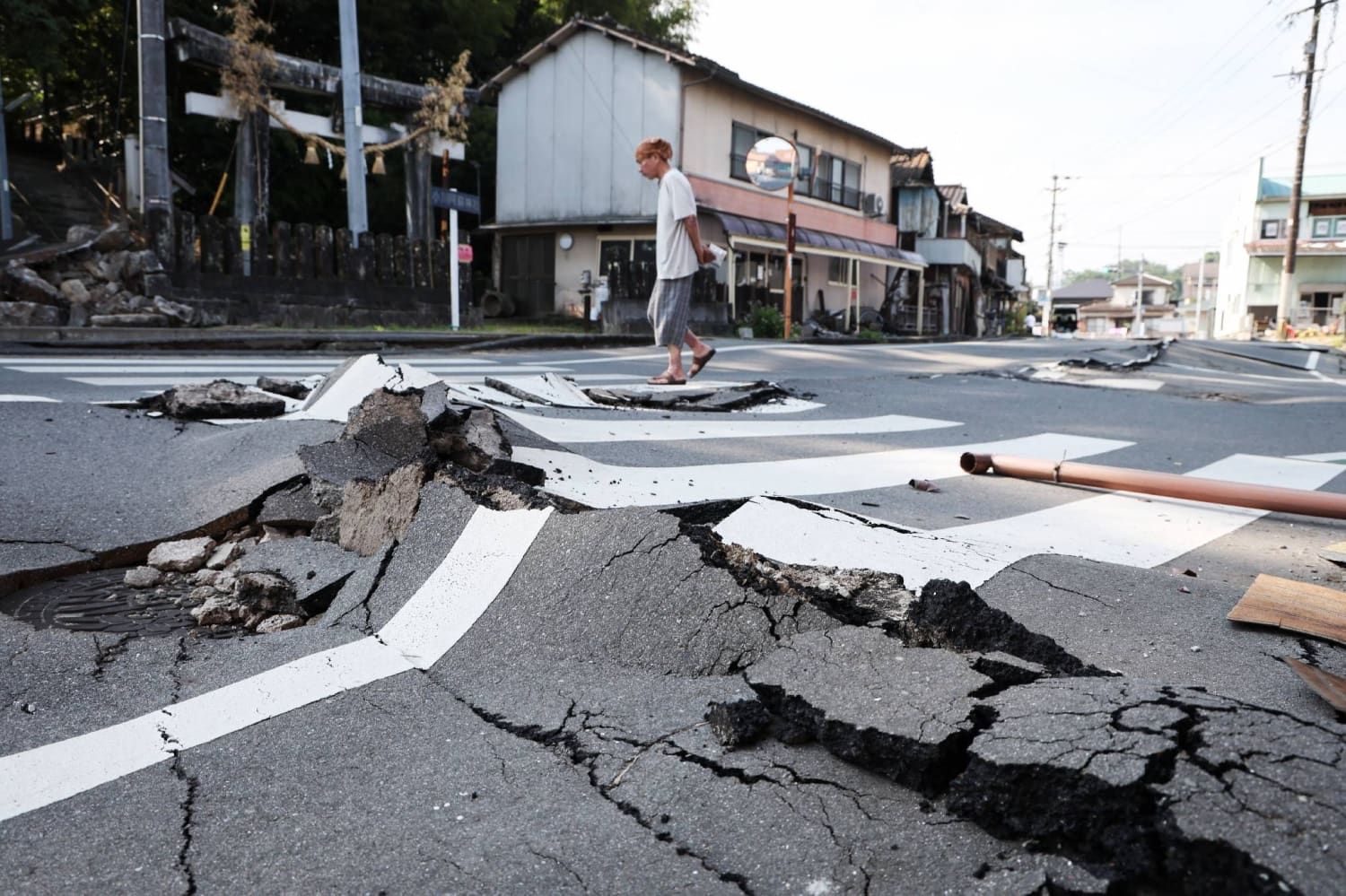
In Uki, one of the hardest-hit municipalities in Kumamoto Prefecture, roadways remain cracked and buckled, untouched by repair crews as authorities prioritize emergency access routes. The damage has severed arteries that normally carry precision components from tier-one suppliers to final assembly plants operated by Japan's major automakers.
Supply Chain Bottleneck
The disruption exposes the fragility of just-in-time manufacturing systems that dominate the automotive industry. Japanese automakers typically maintain minimal inventory buffers, relying instead on synchronized delivery of components within narrow time windows. When infrastructure fails, the entire network seizes.
Kyushu hosts a dense network of automotive suppliers producing everything from semiconductors to stamped metal parts. The region's strategic importance has grown over the past two decades as automakers expanded production capacity closer to Southeast Asian export markets. Toyota, Honda, and Nissan all operate significant facilities in the area, alongside hundreds of smaller suppliers.
The current suspension marks the longest production halt in the region since the 2016 Kumamoto earthquakes, which also disrupted automotive supply chains for weeks. That earlier disaster prompted some automakers to diversify supplier locations, but the concentration of specialized manufacturers in Kyushu has proven difficult to replicate elsewhere.
Economic Ripple Effects
The extended shutdown carries implications beyond Japan's borders. Kyushu-manufactured components feed into vehicles assembled in Thailand, Indonesia, and other Southeast Asian production hubs. Any prolonged disruption risks creating shortages in those markets, particularly for models that rely heavily on Japan-sourced parts.
Domestic economic impact is already mounting. Workers at affected plants face reduced hours or temporary furloughs, while logistics companies report sharp declines in freight volumes. The Japan Automobile Manufacturers Association has not yet released revised production forecasts, but analysts expect the disruption to shave tens of thousands of units from quarterly output figures.
Insurance assessors are still tallying damage to factory equipment and inventory. Initial reports suggest that most production machinery escaped serious harm, but buildings suffered structural damage that will require inspection and certification before operations can safely resume.
Infrastructure Recovery Timeline
Government officials in Kumamoto Prefecture have prioritized restoring main highways connecting the region to Fukuoka and other major cities. Secondary roads serving industrial parks remain lower on the repair schedule, creating uncertainty for manufacturers waiting to restart operations.
The Ministry of Land, Infrastructure, Transport and Tourism dispatched engineering teams to assess bridge integrity and road stability across the affected zone. Some routes may require complete reconstruction rather than patching, a process that could extend into months rather than weeks.
Automakers are exploring alternative logistics routes, including longer detours through neighboring prefectures, but the added distance and limited capacity of secondary roads cannot fully substitute for damaged primary corridors. Some companies are considering air freight for critical low-volume components, though the cost makes that option viable only for the most essential parts.
Regional Manufacturing Vulnerability
The Kumamoto earthquake underscores broader questions about industrial concentration in seismically active zones. Japan's automotive sector has historically clustered production in regions that offer skilled labor, established supplier networks, and proximity to ports. But that clustering creates systemic risk when natural disasters strike.
Some industry observers argue that the repeated disruptions in Kyushu should prompt a strategic reassessment of manufacturing footprints. Diversifying production across multiple prefectures or expanding capacity in Southeast Asia could reduce vulnerability, though such shifts require years of investment and supplier coordination.
For now, automakers remain focused on immediate recovery. Company spokespeople have issued cautious statements acknowledging the disruption while declining to specify resumption dates, citing ongoing assessments of infrastructure conditions and parts availability. The uncertainty reflects the complex interdependencies that define modern automotive manufacturing, where a single damaged road can idle factories across an entire region.
RELATED STORIES
China Imposes Anti-Dumping Measures on Japanese Semiconductor Chemical Imports
Jun-ho Seo · 3 min

Berkshire Hathaway Eyes Larger Stakes in Japan's Top Trading Houses
Cheng Wei-Lun · 3 min
Malaysia's Rare Earth Deposits Draw Foreign Interest Ahead of China Export Controls
Priyanka V. Rao · 3 min
Japan's August Exports Rise 19.3% on Semiconductor Demand
Aiko Nakamura · 3 min
Spot something wrong? Email editor@briefasia.com. We log every correction publicly.