Finance · Markets
Kuala Lumpur Benchmark Climbs in Early Trade on Bargain Buying
The FBM KLCI gained 4.68 points in opening session as investors returned to the market after recent weakness, with gainers outnumbering decliners across the broader exchange.
KEY TAKEAWAYS
- ·The FTSE Bursa Malaysia KLCI rose 4.68 points to 1,717.16 by 9:05 a.m. Wednesday, opening at 1,714.39 after closing the prior session at 1,712.48.
- ·Market breadth turned positive with 160 gainers outpacing 135 decliners, while turnover reached 105.88 million shares worth RM52.91 million in the opening hour.
- ·The advance came despite mixed Wall Street performance, suggesting investors prioritized domestic valuations and saw buying opportunities after recent weakness.
Morning Rebound
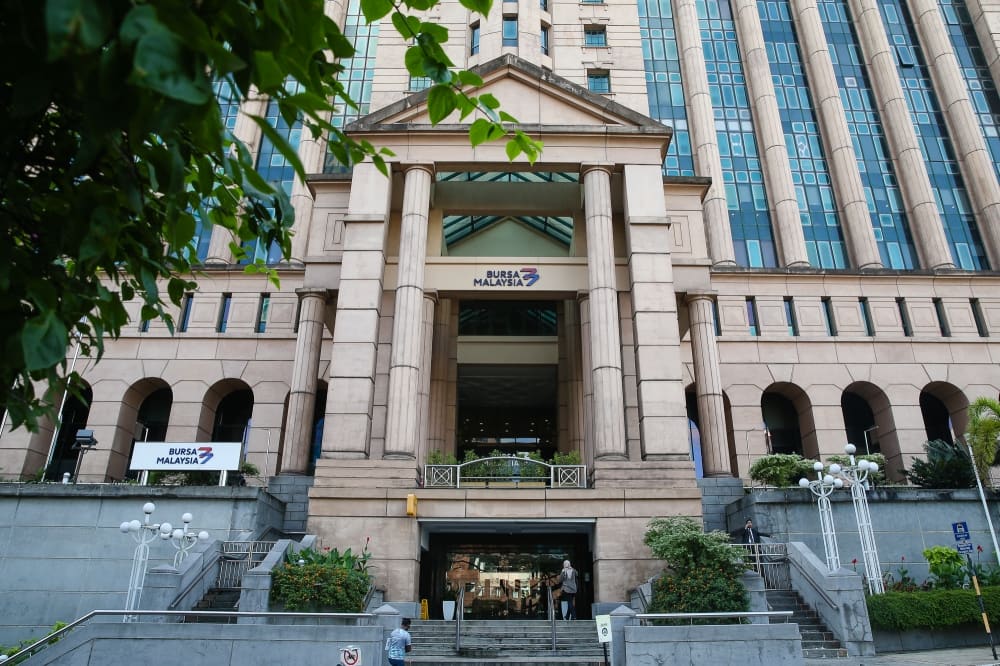
Bursa Malaysia's benchmark index advanced in early trading Wednesday, propelled by investors seeking value after recent declines. The FTSE Bursa Malaysia KLCI added 4.68 points to reach 1,717.16 by 9:05 a.m. local time, according to exchange data. The index had closed the previous session at 1,712.48.
The morning opening saw the benchmark start at 1,714.39, gaining 1.91 points, before extending its advance through the first hour of trading. The upward movement reflects a shift in investor appetite as market participants returned to equities after a period of caution.
Broader Market Strength
Market breadth tilted positive, with advancing stocks outnumbering decliners 160 to 135. A total of 267 counters remained unchanged, while 2,205 securities went untraded and 48 faced suspension.
Trading activity showed moderate volumes in the opening hour. Turnover reached 105.88 million shares valued at RM52.91 million, indicating selective participation as investors assessed entry points across sectors.
The composition of gainers suggests investors targeted specific opportunities rather than broad-based accumulation. The relatively large number of unchanged counters points to a market still weighing direction, even as bargain hunters emerged for select names.
External Backdrop
The rebound in Kuala Lumpur came despite an uneven overnight performance on Wall Street, where U.S. indices delivered mixed results. Malaysian investors appeared to prioritize domestic valuations over offshore cues, a dynamic that can signal confidence in local fundamentals or simply reflect oversold conditions from prior sessions.
Regional markets have faced headwinds in recent weeks from shifting interest rate expectations and concerns over export demand. Malaysia's equity market, heavily weighted toward financials, plantation stocks, and technology components, often moves in response to both commodity price trends and manufacturing sentiment across Southeast Asia.
The mixed Wall Street session did not deter local buyers from stepping in. This divergence suggests that the pullback in Malaysian equities had created sufficient value for investors to re-engage, independent of near-term noise from developed markets.
What Comes Next
The sustainability of Wednesday's gains will depend on whether buying momentum broadens beyond the morning session and whether institutional flows follow retail interest. Market participants will watch for any shift in foreign investor positioning, which has been a key driver of index direction in recent months.
Corporate earnings season continues, and results from major index constituents could provide fresh catalysts or dampen sentiment if guidance disappoints. The financial sector, which carries significant weight in the FBM KLCI, remains a focal point as banks navigate credit growth targets and net interest margin pressures.
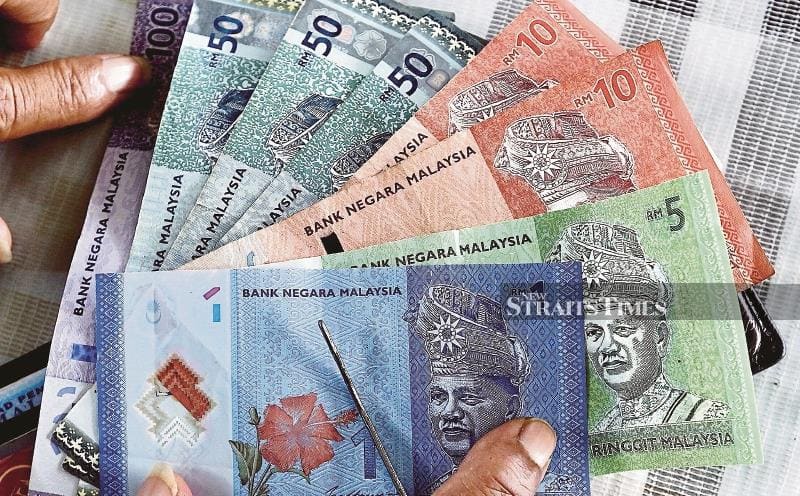
Currency stability will also factor into investor calculations. The ringgit's recent movements have implications for export-oriented stocks and for foreign capital allocation decisions. A steadier currency environment typically supports equity inflows, while volatility can prompt caution.
For now, the early bounce offers a respite from recent weakness, but the broader market structure remains one of selective interest rather than conviction buying. Investors are balancing valuations that have become more attractive against uncertainties around global growth and regional trade flows.
RELATED STORIES
Malaysian Equities Climb in Morning Session as Regional Investors Weigh Oil Price Rally
Anand Sundaram · 3 min
Malaysia's KLCI Index to Add 20 Stocks in Phased Expansion
Jun-ho Seo · 2 min

K-One Technology Shares Surge 15% on RM94 Million Subsidiary Sale Vote
Tran Quoc Bao · 3 min
Ringgit Set to Hold Gains as Malaysia Central Bank Meeting Nears
Priyanka V. Rao · 3 min
Spot something wrong? Email editor@briefasia.com. We log every correction publicly.