Travel & Dining · Dining
Korean Burger Chain Mom's Touch Reaches 20 Stores in Mongolia
The Seoul-based quick-service brand now ranks as Mongolia's second-largest burger operator by outlet count, trailing only KFC in the Central Asian market
KEY TAKEAWAYS
- ·Mom's Touch opened its 20th store in Mongolia, making it the country's second-largest burger chain behind KFC's 29 outlets and ahead of Burger King's 18.
- ·The Korean quick-service brand has averaged more than six new stores per year since entering Mongolia in September 2023 with a location in Ulaanbaatar.
- ·The expansion reflects growing competition among Korean food brands in Central Asia, where cultural ties and rising urban incomes support demand for international dining concepts.
Rapid Expansion in Central Asia
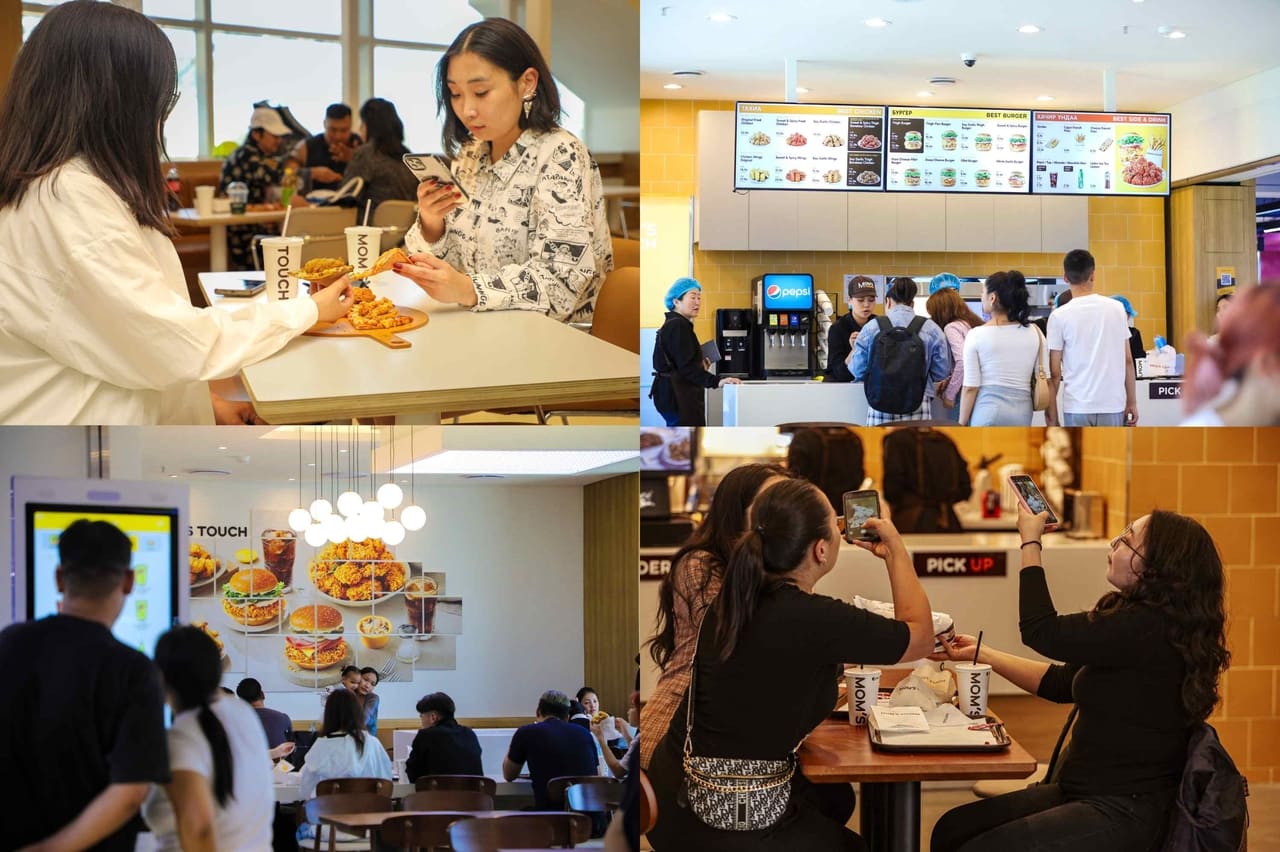
Mom's Touch announced it has opened its 20th restaurant in Mongolia, positioning the Korean quick-service brand as the country's second-largest burger chain by store count. The milestone comes less than three years after the company first entered the Mongolian market.
The newest location, Nomin Macro, places Mom's Touch behind only KFC, which operates 29 outlets in Mongolia, but ahead of Burger King's 18 stores, according to the company. The achievement marks a significant foothold for the Seoul-based chain in a market where Western fast-food brands have historically dominated.
Mom's Touch launched its Mongolian operations in September 2023 with a store inside E-mart Bayangol in Ulaanbaatar. Since that initial opening, the company has maintained an average expansion rate of more than six stores per year, a pace that reflects both consumer demand and the brand's localization strategy in the Central Asian nation.
Korean QSR Brands Push Beyond Home Market
The Mongolian expansion represents part of a broader pattern of Korean quick-service restaurant brands seeking growth in regional markets as domestic competition intensifies. Mom's Touch, founded in 1997, has differentiated itself in South Korea through menu items that blend Western fast-food formats with Korean flavor profiles, including spicy chicken burgers and rice-based offerings.
That formula appears to be resonating in Ulaanbaatar and surrounding areas, where rising household incomes and urbanization have fueled demand for convenient dining options. Mongolia's capital city has become increasingly competitive for international food brands, with both global chains and regional players vying for market share among a growing middle class.
The store count milestone also highlights the operational challenge of scaling in a landlocked market with a relatively small population of approximately 3.3 million people. Mom's Touch has concentrated its footprint in urban centers, leveraging partnerships with local retail anchors like E-mart to secure high-traffic locations.
What the Numbers Say About Market Position
Reaching 20 stores in under three years gives Mom's Touch a meaningful presence relative to competitors. While KFC maintains the largest network with 29 outlets, the gap is narrower than in many Asian markets where the American fried chicken brand has operated for decades. Burger King's 18 stores suggest that the Mongolian quick-service segment can support multiple international brands, but growth trajectories vary.
Mom's Touch has not disclosed revenue figures or same-store sales data for its Mongolian operations. However, the company's continued investment in new locations signals confidence in unit economics and brand recognition. The Nomin Macro store, like several others in the chain's Mongolian portfolio, is situated within or adjacent to retail complexes, a site-selection strategy that reduces standalone real estate risk.
The company's growth in Mongolia also offers a case study in how mid-tier Korean brands can compete against legacy Western chains. Unlike KFC and Burger King, which entered Mongolia earlier and benefit from decades of global brand equity, Mom's Touch has relied on product differentiation and localized marketing to carve out its niche.
Broader Implications for Korean Food Exports
Mom's Touch's Mongolian success is part of a larger wave of Korean food and beverage brands expanding across Asia. From coffee chains to casual dining concepts, Korean hospitality companies are leveraging cultural proximity and operational know-how to enter markets in Southeast Asia, Central Asia, and beyond.
Mongolia presents a unique opportunity. The country has historical ties to Korea through education and labor migration, and Korean pop culture enjoys significant visibility among younger Mongolian consumers. These cultural factors can lower barriers to entry for Korean brands, though sustained success still depends on menu appeal, pricing, and service execution.
The quick-service restaurant sector in Mongolia remains underpenetrated compared to more mature Asian markets, suggesting room for further expansion. Whether Mom's Touch can continue its growth pace and close the gap with KFC will depend on factors including supply chain efficiency, local partnerships, and the brand's ability to adapt to shifting consumer preferences.
For now, the 20-store milestone offers a tangible measure of progress in a market where Korean brands are proving they can compete on operational scale, not just cultural affinity.
RELATED STORIES
Samsung and SK Hynix Turn Down KEPCO's Multibillion-Dollar Prepayment Demand
Cheng Wei-Lun · 4 min
South Korea Extends Trading Hours to Attract Foreign Capital
Anand Sundaram · 2 min

MBK Partners Chair Questioned Over Homeplus Debt Issuance Ahead of Collapse
Anand Sundaram · 3 min
South Korea's Export Surge Powers Economic Upturn Through Third Quarter
Jun-ho Seo · 4 min
Spot something wrong? Email editor@briefasia.com. We log every correction publicly.