Travel & Dining · Trends
Komeda's Coffee Sets Bangkok Debut as Part of Southeast Asia Expansion
Japanese chain operator targets 180 outlets across Asia as it accelerates regional growth beyond home market
KEY TAKEAWAYS
- ·Komeda Holdings is opening its first Bangkok location and plans to grow its overseas Asian network to 180 outlets.
- ·The Japanese chain enters a competitive Thai market already hosting global brands and local players, with Nestlé investing $690 million in local production.
- ·Success in Bangkok will determine Komeda's rollout across Vietnam, Indonesia, and the Philippines as it seeks growth beyond Japan's saturated market.
A Nagoya-Born Chain Goes Regional
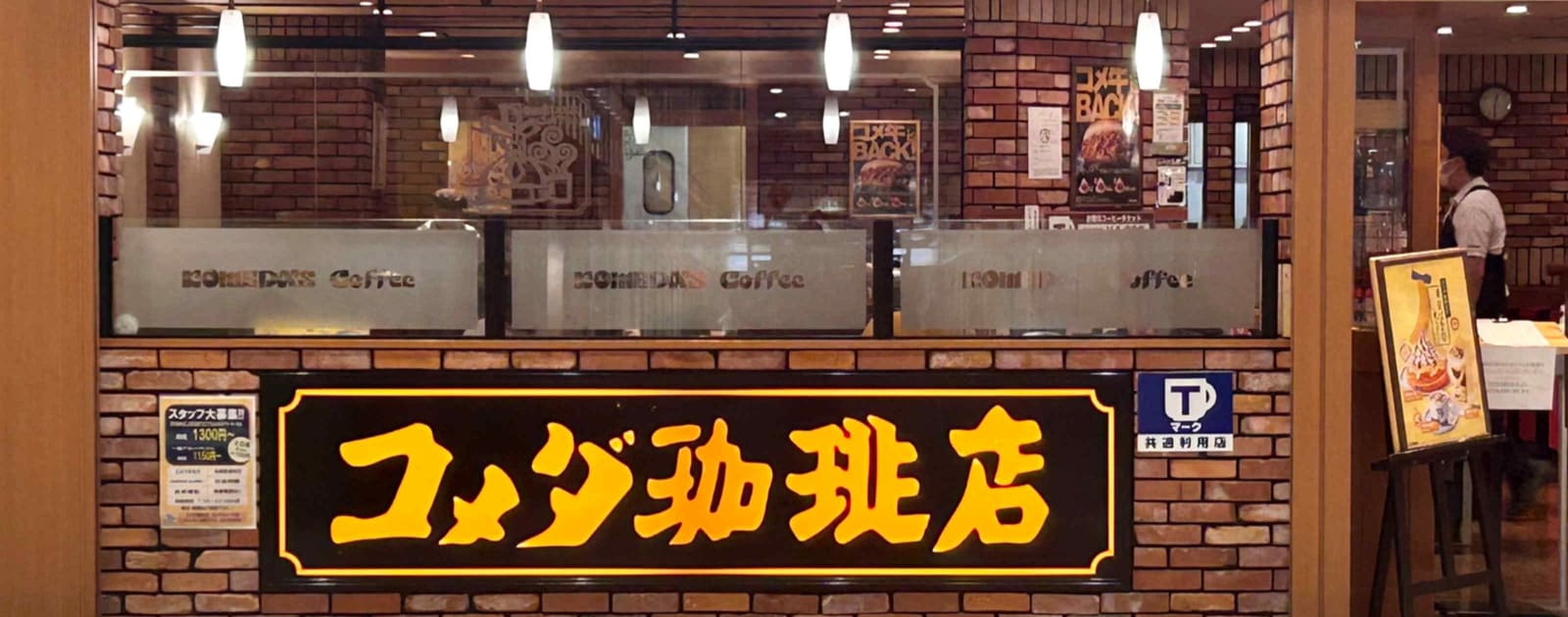
Komeda's Coffee, the Japanese chain known for its thick-cut toast and morning sets, is opening its first Bangkok location as part of a broader Southeast Asian expansion. Komeda Holdings announced the Thailand entry, signaling a shift in strategy as the operator looks beyond its saturated home market toward higher-growth economies in the region.
The move into Bangkok represents a test case for a brand that has built its reputation on localized comfort food and leisurely café culture in Japan. For Komeda, Thailand offers a large urban middle class, rising coffee consumption, and a competitive landscape already crowded with both global chains and nimble local players.
Targeting 180 Outlets Across Asia
According to Komeda Holdings, the company aims to expand its overseas Asian network to 180 outlets. The figure reflects ambitions that stretch well beyond the single Bangkok store, suggesting a multi-market rollout across Southeast Asia in the coming years.
The chain has been operating internationally for some time, primarily in Taiwan and other East Asian markets, but Southeast Asia represents a newer frontier. Bangkok, with its dense population and established café scene, serves as a logical beachhead. The city has absorbed multiple waves of international coffee brands over the past decade, from Blue Bottle to % Arabica, alongside homegrown chains like Café Amazon.
Komeda's value proposition leans heavily on portion size and comfort. Its signature morning service, which includes a free boiled egg and toast with coffee orders before 11 a.m., has resonated with Japanese consumers looking for affordable routine. Whether that formula translates in a market accustomed to Thai-style iced coffee and condensed milk remains an open question.
Competitive Dynamics in Southeast Asia
The timing of Komeda's Bangkok debut coincides with intensifying competition in the region's coffee sector. Chinese milk tea brands have been pushing into Southeast Asia aggressively, while established players like Starbucks continue to add locations. India and Vietnam are also seeing specialty coffee movements gain traction, driven by younger consumers and rising disposable incomes.
Thailand itself has become a manufacturing hub for global coffee brands. Nestlé recently committed to building a $690 million plant in the country to produce Nescafé products, underscoring the scale of investment flowing into the sector. For Komeda, entering a market with such infrastructure could ease supply chain challenges, but it also means competing against brands with deeper local presence and established distribution networks.
Komeda's expansion mirrors a broader trend among Japanese food and beverage operators seeking growth offshore. Domestic demographics, marked by population decline and aging consumers, have pushed chains to look outward. Southeast Asia, with its youthful population and growing urbanization, has become a natural target.
Operational Considerations
Komeda's business model in Japan relies on franchising, with individual operators managing stores under the corporate brand. The same approach is likely to underpin its Southeast Asian rollout, reducing capital intensity but requiring careful partner selection and brand control.
Menu localization will be critical. While Komeda's core offerings, such as its shiro-noir dessert and thick toast, have novelty appeal, adapting to local taste preferences without diluting brand identity is a delicate balance. Other Japanese chains, such as Doutor and Tully's, have had mixed results in the region, suggesting that brand recognition alone is insufficient.
Pricing strategy will also matter. Komeda positions itself as an affordable everyday option in Japan, but price sensitivity varies across Southeast Asian markets. In Bangkok, where both premium specialty cafés and budget chains coexist, finding the right tier will determine customer acquisition and repeat visits.
What Comes Next
The Bangkok opening is the first visible step in a longer-term regional strategy. If successful, Komeda is likely to expand to other Thai cities before moving into neighboring markets such as Vietnam, Indonesia, and the Philippines. Each presents distinct opportunities and challenges, from regulatory environments to consumer behavior.
For now, Komeda's ability to carve out space in Bangkok's crowded café landscape will serve as a barometer for its broader Southeast Asian ambitions. The chain's emphasis on routine, value, and comfort may find an audience, but execution in a market dominated by both global giants and agile local competitors will require more than replicating the Nagoya playbook.
RELATED STORIES

Japan's Takaichi Doubles Down on Allied Ties as Beijing Turns Up the Heat
Aiko Nakamura · 4 min

Thailand Targets Four Strategic Priorities Amid Global Trade Volatility
Priyanka V. Rao · 3 min

Japanese Corporations Double Commercial Paper Holdings to 17-Year High
Aiko Nakamura · 3 min

Mori Building Enters US Redevelopment With $628 Million New York Tower
Aiko Nakamura · 4 min
Spot something wrong? Email editor@briefasia.com. We log every correction publicly.