Finance · Deals
Kirin Acquires Canadian Vitamin Maker Jamieson Wellness for $1.3 Billion
Japanese brewer expands health science portfolio with Ontario-based supplement company as domestic beer sales stagnate
KEY TAKEAWAYS
- ·Kirin Holdings is acquiring Ontario-based Jamieson Wellness for CA$1.898 billion to enter North America's supplement market.
- ·The deal is part of Kirin's strategic pivot from stagnant beer sales toward higher-growth health science and functional nutrition segments.
- ·Kirin now operates health science businesses across Japan, Australia, Southeast Asia, and North America following the transaction.
Strategic Shift Beyond Beer
Kirin Holdings announced the acquisition of Jamieson Wellness for CA$1.898 billion ($1.3 billion), gaining a foothold in North America's health science sector. The deal gives the Japanese brewer and beverage company access to the Ontario-based vitamin and supplement maker's distribution network in the world's largest supplement market.
The transaction reflects Kirin's broader diversification strategy as domestic beer consumption remains flat. The company has been steadily building its health foods and supplements portfolio, viewing functional nutrition as a higher-growth segment than traditional alcoholic beverages.
North American Beachhead
Jamieson Wellness brings Kirin an established presence in Canada's vitamin and supplement sector, along with distribution channels that reach into the United States. North America represents the world's largest market for dietary supplements, with consumers increasingly prioritizing preventive health measures and functional nutrition.
Kirin has been pursuing health science expansion across multiple geographies. The company previously established an Australian health science hub and has been exploring opportunities across Southeast Asia. The Jamieson acquisition marks its most significant entry into the North American health market to date.
Pivoting from Alcohol
The deal continues Kirin's strategic retreat from traditional alcohol businesses. The company previously divested its Four Roses bourbon brand to a U.S. winemaker in a transaction valued at up to $775 million. Meanwhile, it has increased research and development spending on food and health products, including opening a Southeast Asia laboratory focused on functional ingredients.
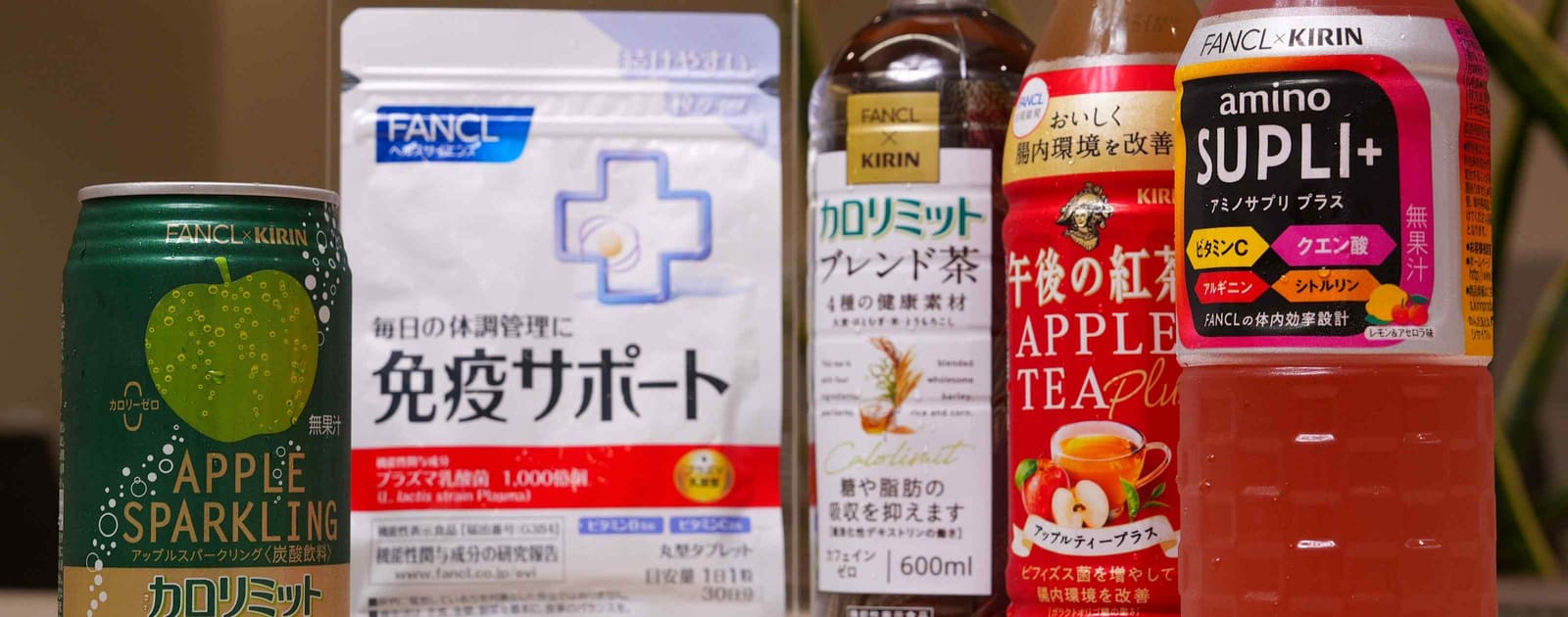
Kirin has also pursued health-related partnerships within Japan. The brewer has collaborated with subsidiary Fancl on skin health products and begun selling health foods in Taiwan, signaling a systematic pivot away from beer-centric operations.
Regional Context
The acquisition fits within a broader pattern of Japanese consumer goods companies seeking growth outside their home market. Demographic headwinds and mature consumption patterns in Japan have pushed beverage and food companies to pursue overseas expansion and category diversification.
Health science represents a particularly attractive target. The segment combines favorable growth trajectories in aging societies with premiumization opportunities that command higher margins than commodity beverages. For companies like Kirin with existing research capabilities in fermentation and bioactive compounds, supplements offer a logical adjacency to core competencies.
The Jamieson deal also reflects the competitive pressure Japanese brewers face. With per-capita alcohol consumption declining and regulatory constraints limiting domestic consolidation, major players have turned to geographic expansion and category migration as their primary growth levers.
Execution Ahead
Kirin now faces the challenge of integrating a North American consumer health business into an organization historically centered on brewing and beverage distribution. Success will depend on preserving Jamieson's brand equity and retail relationships while leveraging Kirin's research infrastructure and ingredient sourcing capabilities.
The transaction positions Kirin as a multi-regional player in health science, with operations spanning Japan, Australia, Southeast Asia, and now North America. Whether the company can generate synergies across these geographically dispersed assets will determine the long-term return on its $1.3 billion investment.
RELATED STORIES
Asian Tech Stocks Surge as Weak US Jobs Data Dims Rate Hike Outlook
Cheng Wei-Lun · 4 min
Japan Logs First Current Account Deficit in 17 Months as Dividends Flow Abroad
Aiko Nakamura · 3 min

US and Japan Stage First Joint Yen Intervention in 28 Years
Cheng Wei-Lun · 3 min
Bank of Japan Signals Willingness to Accelerate Rate Hikes Amid Rising Inflation Concerns
Aiko Nakamura · 3 min
Spot something wrong? Email editor@briefasia.com. We log every correction publicly.