Technology · Dev
Kioxia Readies PCIe Gen6 Optical SSD for Customer Testing
Japanese memory maker aims to overcome cost and reliability barriers before mass production of next-generation storage technology
KEY TAKEAWAYS
- ·Kioxia is preparing its PCIe Gen6 optical SSD prototype for customer trials after internal development, aiming to validate the technology in real data center workloads.
- ·Cost and reliability remain the primary barriers to mass production, with optical components carrying significantly higher expenses than traditional electrical interconnects.
- ·Customer testing will likely target AI training and high-frequency trading platforms where latency and bandwidth advantages justify the cost premium before broader enterprise adoption.
Optical Interconnect Push
Kioxia is preparing to move its PCIe Gen6 optical SSD prototype into customer testing, marking a significant milestone in the Japanese memory manufacturer's efforts to commercialize optical interconnect technology for high-speed storage.
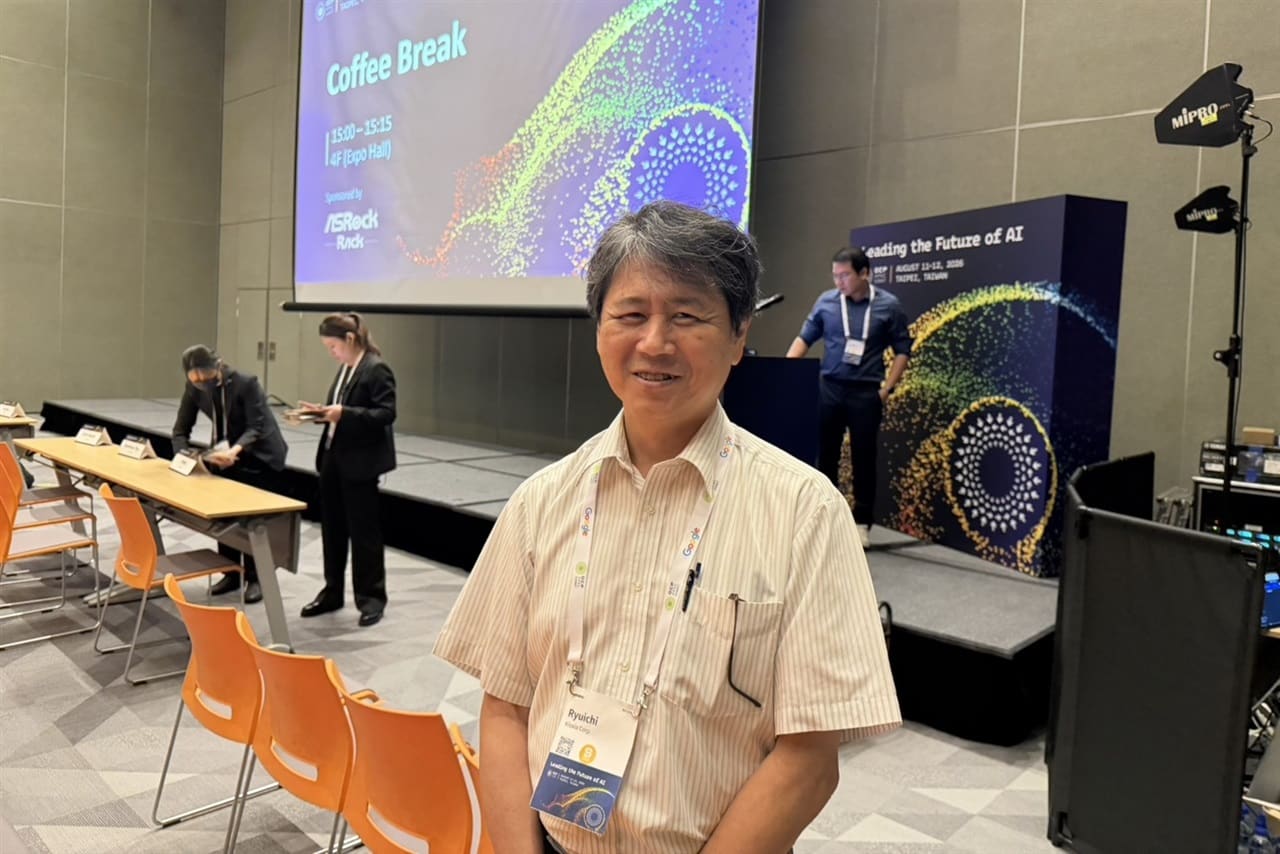
Senior Fellow Ryuichi Fujimoto outlined the company's development roadmap at the Open Compute Project APAC event in Taipei, signaling that Kioxia aims to collaborate with enterprise customers on the next iteration of the prototype. The move represents a concrete step toward validating the technology in real-world data center environments, where bandwidth demands continue to outpace what traditional electrical interconnects can deliver.
Optical SSDs replace conventional copper-based PCIe connections with optical transceivers and fiber links, promising substantially higher bandwidth and lower latency. PCIe Gen6, which doubles the data rate of Gen5 to 64 GT/s per lane, creates an especially compelling case for optical solutions as signal integrity challenges mount at those speeds over electrical traces.
Cost and Reliability Hurdles
Despite the technical promise, Kioxia acknowledged that cost and reliability remain the primary obstacles to mass production. Optical components, including vertical-cavity surface-emitting lasers, photodetectors, and fiber connectors, carry significantly higher bill-of-materials expenses than their electrical counterparts. Manufacturing yield and long-term reliability under data center operating conditions also require further validation before hyperscale deployments become feasible.
The company's focus on customer trials suggests it is moving beyond internal lab testing and into the phase where real workload profiles and operational feedback will shape the final product design. This approach mirrors how other advanced storage technologies, from NVMe to computational storage, matured through iterative collaboration with lead customers before broader market introduction.
Asia's Storage Innovation Race
Kioxia's optical SSD initiative fits into a broader pattern of Asian memory and storage vendors pushing the envelope on next-generation architectures. With data center operators in Tokyo, Singapore, and Seoul facing acute constraints on power density and rack space, innovations that deliver higher throughput per watt and per rack unit carry substantial commercial appeal.
The timing also reflects competitive pressure. Western suppliers and fabless designers have announced optical I/O roadmaps of their own, and Chinese storage firms are investing heavily in advanced interconnect research. For Kioxia, which competes globally against Samsung, SK Hynix, and Micron, demonstrating leadership in optical storage technology offers a differentiation lever in an otherwise commoditized NAND market.
Customer trials will likely focus on AI training clusters and high-frequency trading platforms, where the latency and bandwidth advantages of optical links justify the cost premium. If early deployments prove successful, the technology could cascade into broader enterprise SSD portfolios by the end of the decade.
What Comes Next
Kioxia has not disclosed a target timeline for volume production, but the shift to customer prototypes typically precedes commercial launch by 18 to 24 months. That cadence would position optical SSDs for limited availability in late 2027 or early 2028, assuming cost structures improve and reliability metrics meet enterprise requirements.
The company's willingness to discuss the program publicly also signals confidence that the core technology has matured beyond the research stage. For data center architects evaluating post-Gen5 storage strategies, Kioxia's progress offers a tangible preview of how optical interconnects may reshape the economics and performance profile of next-generation infrastructure.
RELATED STORIES
SK Hynix Takes Top Stake in Kioxia as Toshiba Reduces Holdings
Cheng Wei-Lun · 3 min
Rapidus Projects Eight-Reticle Interposers as Chip Packaging Hits Scale Limits
Cheng Wei-Lun · 3 min

Formosa Plastics and Daicel Launch Chip Materials Joint Venture in Taiwan
Cheng Wei-Lun · 3 min
Tokyo University Lab Becomes Incubator for Japan's Satellite Startup Wave
Aiko Nakamura · 3 min
Spot something wrong? Email editor@briefasia.com. We log every correction publicly.