Asia · Business
Kia Posts Record Sales but Profit Slips on US Tariffs
The Seoul-based automaker saw operating profit decline 4.9 percent in Q2 despite hybrid and EV demand pushing revenue to an all-time high.
KEY TAKEAWAYS
- ·Kia reported operating profit of 2.63 trillion won in Q2 2026, down 4.9 percent year-on-year, while revenue rose 12.6 percent to a record 33.04 trillion won.
- ·US tariffs on imported vehicles and higher sales incentives squeezed margins despite record unit sales driven by strong hybrid and electric model demand.
- ·The company plans to expand US production capacity to reduce tariff exposure, with a new Georgia plant expected to begin output in the coming years.
Sales Growth Meets Margin Pressure
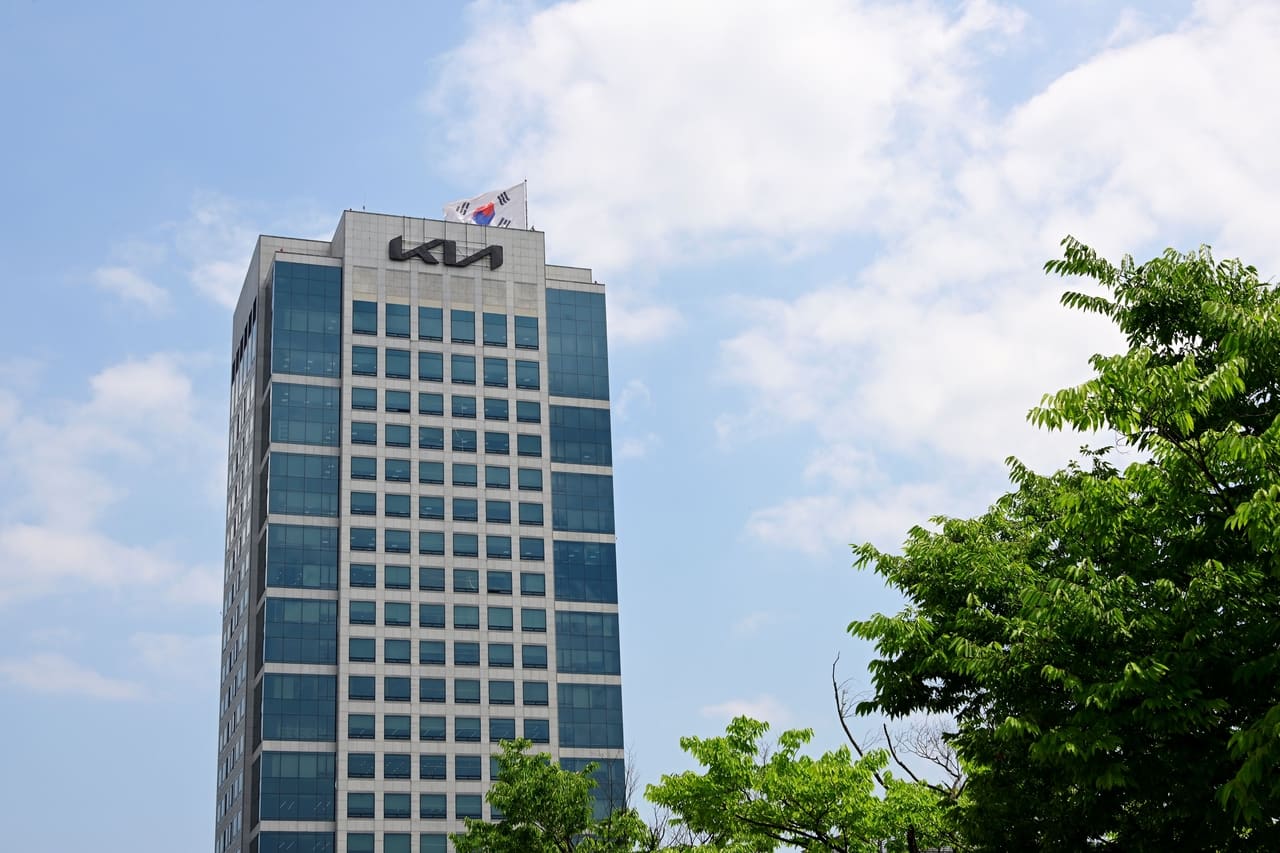
Kia delivered its highest-ever quarterly revenue in the second quarter of 2026, yet operating profit contracted as the Seoul-based automaker absorbed the dual impact of US tariffs and elevated sales incentives. The company announced operating profit of 2.63 trillion won, down 4.9 percent year-on-year, while revenue climbed 12.6 percent to 33.04 trillion won. Net profit edged up 2.6 percent to just over 2 trillion won, according to Kia.
The disconnect between top-line growth and profitability underscores the cost pressures facing Asian exporters in the North American market. US tariffs on imported vehicles have forced manufacturers to either raise prices or accept thinner margins, and Kia appears to have chosen the latter path to defend market share. At the same time, the company increased promotional spending to stay competitive in a crowded field where every brand is chasing the same pool of buyers interested in electrified powertrains.
Hybrid and EV Demand Fuels Volume
Unit sales reached a record high during the quarter, driven by robust demand for hybrid and battery-electric models. Kia has leaned heavily into electrification over the past two years, expanding its lineup with models such as the EV6 crossover and hybrid variants of the Sportage and Sorento. Those vehicles have resonated with consumers in key markets, particularly in North America and Europe, where stricter emissions regulations and fuel-economy standards are accelerating the shift away from internal combustion.
The strong sales performance suggests that Kia's product mix is well aligned with market trends. Hybrids, in particular, have emerged as a sweet spot for buyers who want lower running costs and reduced emissions without the range anxiety or charging infrastructure concerns that still accompany pure electric vehicles. Kia's ability to offer competitive pricing on these models has been a key advantage, even as tariffs and incentives eat into profitability.
Tariff and Incentive Headwinds
The profit decline highlights the financial toll of the current US trade environment. Tariffs on imported vehicles add a fixed cost per unit that automakers can either pass on to customers or absorb internally. Kia, like its domestic rival Hyundai, assembles a significant portion of its US-bound vehicles in South Korea, making the company particularly exposed to trade policy shifts. The tariffs have effectively raised the landed cost of each car, squeezing the margin on every sale.
Compounding the tariff pressure, Kia increased sales incentives during the quarter to keep volume moving. Incentives can take the form of cash rebates, low-interest financing, or lease subsidies, all of which reduce the effective transaction price. In a market where inventory levels have normalized after years of pandemic-era shortages, automakers are once again competing aggressively on price. For Kia, the combination of tariffs and incentives created a margin squeeze that offset the benefit of higher unit sales.
Regional Mix and Production Strategy
Kia's global footprint means that performance varies widely by region. North America remains a critical profit center, but the tariff environment there has made it a more challenging market. Europe has seen steady demand for electrified models, supported by government subsidies and corporate fleet buyers seeking to meet emissions targets. In Asia, Kia continues to hold strong positions in South Korea and select Southeast Asian markets, though competition from Chinese EV makers is intensifying.
The company has signaled plans to expand production capacity in the United States to mitigate tariff exposure. A new assembly plant in Georgia is expected to begin output in the coming years, which would allow Kia to qualify for local-content incentives under US tax policy and avoid import duties. Until that capacity comes online, however, the company will remain vulnerable to trade policy volatility.
Outlook and Strategic Priorities
Looking ahead, Kia faces a delicate balancing act. Maintaining volume and market share requires competitive pricing and generous incentives, but protecting profitability demands cost discipline and operational efficiency. The company is betting that scale in electrified vehicles will eventually drive down unit costs, allowing it to preserve margins even in a high-incentive environment.
Investor attention will focus on how quickly Kia can ramp up US production and whether tariff policies stabilize or escalate further. In the meantime, the second-quarter results serve as a reminder that revenue growth alone does not guarantee profit growth, especially when external cost pressures are rising faster than pricing power. For Kia, the path forward depends on execution in manufacturing, product development, and navigating the shifting trade landscape across its major markets.
RELATED STORIES
South Korea Breaks Full-Year Export Record in September
Tran Quoc Bao · 3 min
SK Hynix Union Rejects Wage Deal in Razor-Thin Vote
Cheng Wei-Lun · 3 min

SK Chemicals Targets Europe's Can-Coating Shift After BPA Ban
Cheng Wei-Lun · 2 min

Hyundai Motor Faces First Full-Day Strike in a Decade as Wage Talks Stall
Jun-ho Seo · 2 min
Spot something wrong? Email editor@briefasia.com. We log every correction publicly.