Finance · Markets
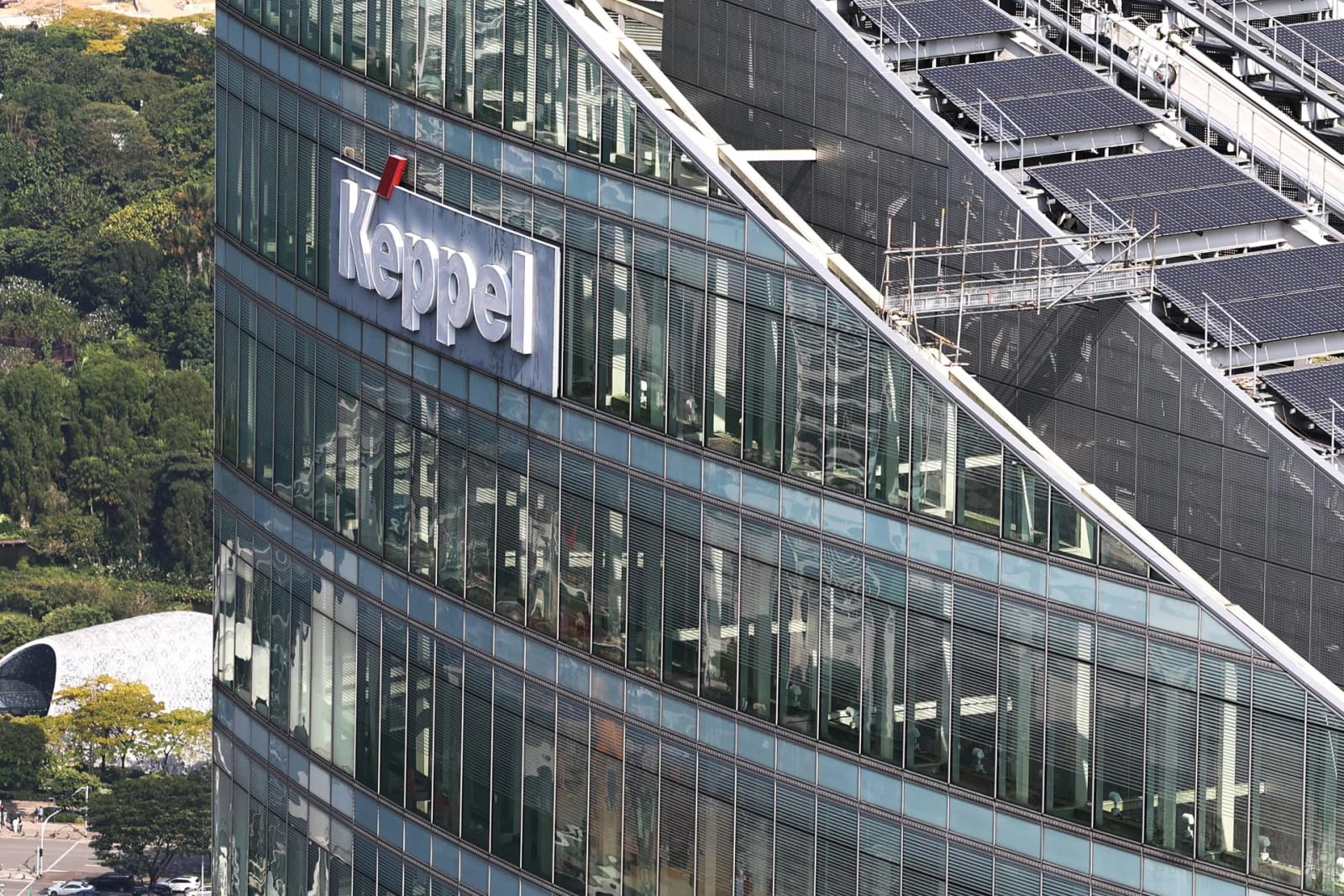
Keppel DC REIT Lifts Distribution 11.3% as Singapore REITs Reshape Portfolios
Data center trust posts stronger returns on Tokyo and Singapore acquisitions while Mapletree Logistics offloads China and domestic assets
KEY TAKEAWAYS
- ·Keppel DC REIT increased its distribution per unit by 11.3 percent to S$0.05714 for the first half of 2026, driven by Tokyo and Singapore data center acquisitions.
- ·Mapletree Logistics Trust is divesting two China warehouses for 724 million yuan and a Singapore property for S$16.6 million as part of portfolio rejuvenation.
- ·The divergence between data center REITs, which benefit from structural demand, and logistics trusts facing regional headwinds is expected to continue through late 2026.
Distribution Gains from Data Center Expansion
Keppel DC REIT lifted its distribution per unit 11.3 percent to S$0.05714 for the six months ended June 30, up from S$0.05133 a year earlier, according to the manager. The increase came from positive lease reversions and rent escalations locked in during prior periods, alongside contributions from Tokyo Data Centre 3 and the acquisition of remaining stakes in Keppel DC Singapore 3 and 4.
Units of the trust closed at S$2.34 on Wednesday, up 0.9 percent or S$0.02.
The performance underscores sustained demand for data infrastructure across Asia Pacific, where cloud adoption and digital services continue to push occupancy and rental rates higher. Keppel DC REIT operates a portfolio spanning Singapore, Australia, Japan, and Europe, with exposure to hyperscale clients and enterprise tenants seeking colocation space.
Mapletree Logistics Exits China and Singapore Assets
Mapletree Logistics Trust announced it is divesting two warehouses in China for a combined 724 million yuan, equivalent to approximately US$107 million. The trust is also selling a Singapore property at 39 Changi South Avenue 2 for S$16.6 million, bringing total proceeds to around S$123.6 million.
The manager described the moves as part of ongoing portfolio rejuvenation. Units of Mapletree Logistics Trust closed at S$1.20 on Wednesday, down 0.8 percent or S$0.01, before the announcement.
The China divestments come as logistics REITs reassess exposure to markets where regulatory shifts and slower e-commerce growth have weighed on valuations. Singapore industrial assets, particularly older facilities in mature estates, are also seeing selective exits as managers redeploy capital toward newer, higher-specification warehouses or overseas markets with stronger yield prospects.
Capital Recycling Across Singapore REIT Sector
The twin announcements reflect a broader pattern among Singapore-listed REITs, which have been actively managing portfolios to optimize returns and balance sheet strength. Data center trusts have benefited from structural tailwinds, including the build-out of artificial intelligence infrastructure and regional cloud expansion by global hyperscalers.
Logistics REITs, by contrast, face a more uneven picture. China's property sector turbulence and shifting supply chain patterns have prompted managers to recycle capital into Southeast Asian and developed markets. The S$16.6 million Singapore sale by Mapletree Logistics Trust is modest in scale but signals a willingness to exit non-core or lower-yielding assets.
For Keppel DC REIT, the double-digit distribution growth highlights the value of selective acquisitions in high-demand markets. Tokyo remains a focal point for data center investment, driven by limited supply, strong connectivity, and enterprise demand. The trust's strategy of acquiring stabilized assets with in-place cash flows has delivered consistent income, even as development costs and financing rates have climbed.
Outlook for Income-Focused Investors
Income-focused investors have gravitated toward data center REITs as a defensive play within the broader real estate sector. While office and retail trusts grapple with hybrid work trends and shifting consumer behavior, data infrastructure has maintained occupancy and rental momentum.
Mapletree Logistics Trust's divestments, meanwhile, will be watched for clues on pricing and buyer appetite. If the China warehouses attract bids at or above book value, it may signal stabilization in the logistics property market. Conversely, any discount could reinforce concerns about oversupply and demand softness in key industrial corridors.
The Singapore REIT sector remains a key income vehicle for regional investors, with yields that compare favorably to bonds and equities in a low-growth environment. As managers continue to rebalance portfolios, the divergence between sectors - data centers outperforming, logistics and retail adjusting - will likely persist through the second half of 2026.
RELATED STORIES
Singapore Brokerages Raise STI Targets on Earnings Strength
Jun-ho Seo · 3 min
Shein Drops 4% in Hong Kong Debut as Tariff Pressure Weighs on Valuation
Priyanka V. Rao · 4 min

Addvalue Technologies Lands $5 Million in Space and Radio Contracts
Tran Quoc Bao · 3 min
Singapore Tightens Stablecoin Rules to Separate Regulated Tokens From Crypto Claims
Priyanka V. Rao · 2 min
Spot something wrong? Email editor@briefasia.com. We log every correction publicly.