Finance · Deals
Jollibee Plans Hong Kong Spinoff for International Portfolio
The Philippine fast-food group will list overseas assets separately as it shifts strategy from diaspora-focused expansion to mass-market appeal across Asia, Europe and North America.
KEY TAKEAWAYS
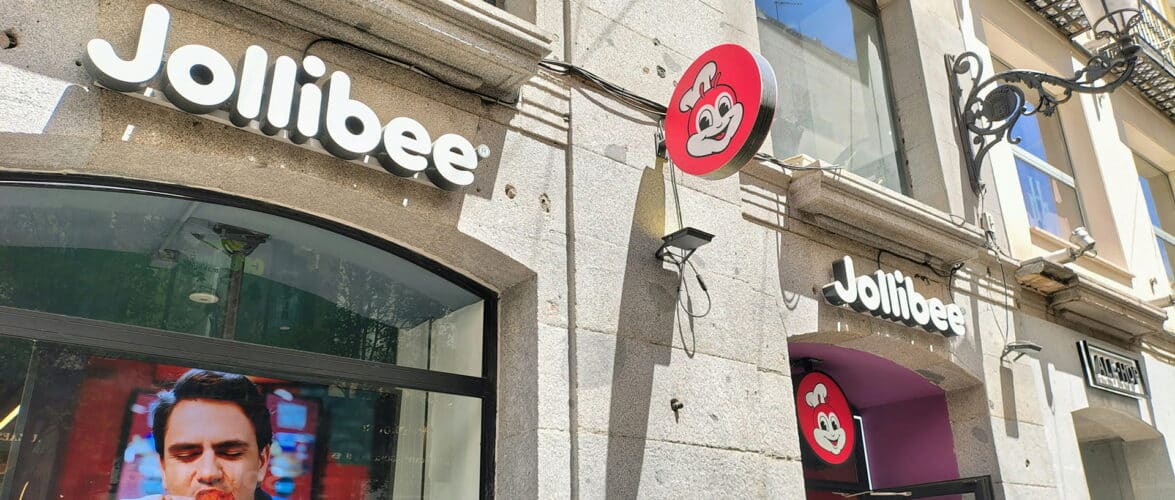
- ·Jollibee Foods Corporation announced on 1 September it will spin off international operations through a Hong Kong listing, separating 557 overseas own-brand stores and other holdings from its Philippine base.
- ·The group is pivoting from diaspora-focused expansion to localised menu strategies targeting non-Filipino consumers in markets including Europe, North America and Asia, competing against entrenched global chains.
- ·Hong Kong's capital access and regulatory frameworks for multi-jurisdiction holdings influenced the choice, with the spinoff structure allowing the parent to raise funds for overseas growth while maintaining a distinct domestic equity story.
Separate Vehicle for Overseas Push
Jollibee Foods Corporation has chosen Hong Kong as the listing venue for a spinoff housing its entire portfolio of international assets, the company disclosed on 1 September. The Manila-based quick-service restaurant operator, which runs more than 10,700 outlets under 20 brands across 33 countries, intends to use the separate entity to underline its ambitions beyond the Philippines.
The decision marks a structural shift for a business that first ventured outside its home market in the mid-1980s targeting Filipino expatriate communities. That initial wave of expansion relied on migrant workers seeking familiar flavours. Four decades later, the group operates 557 Jollibee-branded stores internationally and is pursuing customers with no connection to the Philippines.
Localisation as Growth Lever
Jollibee's international footprint now spans London, Los Angeles, Hanoi and Hainan, among other cities. To attract non-Filipino diners, the company has customised menus by market. In the Middle East, outlets serve pistachio kunafa sundaes. European locations have introduced region-specific adaptations. The strategy acknowledges that replicating a domestic formula wholesale rarely succeeds in fragmented global quick-service markets.
The company's portfolio extends well beyond its flagship brand. Holdings include Tim Ho Wan, the Michelin-recognised dim sum chain; Smashburger, a US-based burger concept; and The Coffee Bean & Tea Leaf, among others. Some of these brands carry stronger recognition in their respective categories than Jollibee does outside Southeast Asia. The spinoff will consolidate these disparate assets under a single offshore structure, giving investors a clearer view of international performance separate from the Philippine home base, which remains the largest profit centre.
Hong Kong as Capital Gateway
Hong Kong's role as a listing hub for Asian consumer businesses influenced the choice. The exchange offers access to institutional capital familiar with regional expansion stories and maintains trading links to mainland China, a market Jollibee has been cultivating. Regulatory frameworks in Hong Kong also accommodate holding structures that span multiple jurisdictions, a practical consideration for a group with operations in more than 30 countries.
The spinoff does not signal divestment. Jollibee Foods Corporation will retain ownership of the international entity; the Hong Kong listing creates a separately traded vehicle. This structure allows the parent to raise capital for overseas growth without diluting the domestic business, while providing a distinct equity story for investors interested in international quick-service exposure rather than the mature Philippine market.
Valuation and Competitive Context
Quick-service restaurant chains listing in Hong Kong in recent years have received mixed receptions, with valuations hinging on unit economics, same-store sales growth and the credibility of expansion pipelines. Jollibee's challenge will be demonstrating that its localised menu approach translates into sustainable traffic and margin improvement in markets where it competes against entrenched players such as McDonald's, KFC and regional specialists.
The company has not disclosed a timeline for the listing or the percentage of the international business it plans to float. Investor appetite will depend on visibility into cash flow from the overseas portfolio, which historically has operated at lower margins than the Philippine core. The spinoff structure itself suggests management confidence that international operations can stand on their own financial footing and attract dedicated investor interest.
The Hong Kong listing will test whether Jollibee's decades-long international build-out, initially a lifeline to diaspora communities, can evolve into a scalable, multi-brand platform competing for mainstream consumers across continents.
RELATED STORIES
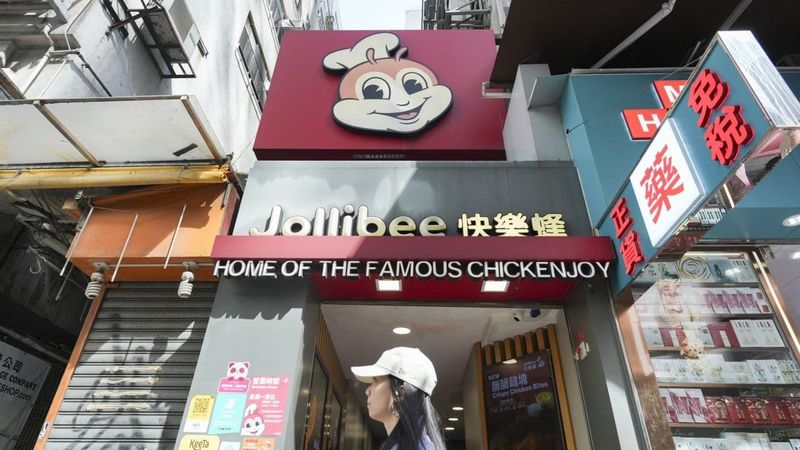
Jollibee Shifts IPO Plans to Hong Kong After US Listing Target
Cheng Wei-Lun · 3 min

GCash IPO Set to Deliver Billion-Dollar Returns for Early Backers
Tran Quoc Bao · 4 min
Philippine Banks See Bad Loan Ratio Tick Up to 3.35% in July
Tran Quoc Bao · 3 min

PhilWeb Commits P4.23 Billion to JKS Tech in Cross-Investment Deal
Tran Quoc Bao · 4 min
Spot something wrong? Email editor@briefasia.com. We log every correction publicly.