Asia · Business
Jollibee Foods Cuts 2026 Store Expansion as First-Half Profit Declines
The Philippines-based fast-food giant is pulling back on capital spending and network growth targets despite a stronger second quarter.
KEY TAKEAWAYS
- ·Jollibee Foods Corp. reduced its 2026 store expansion and capital expenditure targets after reporting a decline in first-half net income.
- ·The Manila-based fast-food conglomerate is prioritizing cash preservation and margin stability over aggressive unit growth amid uneven consumer demand across Asia.
- ·The pullback reflects broader pressures in the region's quick-service restaurant sector, including labor inflation, commodity costs, and fragile consumer confidence.
Revised Targets Signal Caution
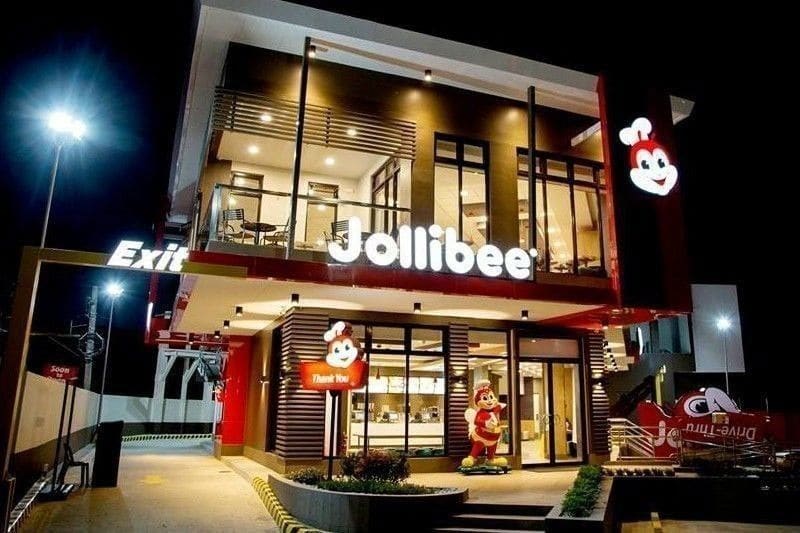
Jollibee Foods Corp. has revised downward its operating assumptions and growth targets for 2026, marking a strategic pullback as the Manila-based fast-food conglomerate navigates softer profitability in the first six months of the year. The company announced reductions to both its planned store network expansion and capital expenditure commitments, even as second-quarter results showed sequential improvement.
The recalibration comes at a time when consumer spending patterns across Southeast Asia remain uneven. For a group that operates more than 6,000 stores across brands including Jollibee, Chowking, Greenwich, and international chains like Smashburger and The Coffee Bean & Tea Leaf, the decision to temper expansion reflects a more conservative read of regional demand dynamics.
First-Half Performance Under Pressure
Jollibee Foods reported a decline in net income for the first half of 2026, a reversal from the growth trajectory the company had posted in prior quarters. While the second quarter delivered stronger results relative to the opening three months, the cumulative half-year figure fell short of internal expectations and year-ago comparisons.
The company has not disclosed granular figures for same-store sales or margin compression by geography, but the profit drop suggests headwinds in one or more of its key markets. The Philippines remains the largest revenue contributor, followed by China and North America, where Jollibee has been investing heavily in store footprint and brand localization.
Operating cost pressures, including labor inflation and commodity price volatility, have weighed on quick-service restaurant operators across the region. Jollibee's decision to adjust its capex plan indicates management is prioritizing cash preservation and return thresholds over aggressive unit growth.
Capital Spending and Network Growth Scaled Back
The revised guidance includes a reduction in the number of new stores Jollibee Foods plans to open in 2026. The company had previously targeted a net addition in the mid-hundreds globally, but that figure is now being dialed back. The exact revised target has not been specified, but the move signals a shift from land-grab mode to operational optimization.
Capital expenditures are also being trimmed. Jollibee had earmarked significant funds for new store construction, kitchen upgrades, and digital infrastructure, but those allocations are now under review. The company is expected to redirect resources toward higher-margin locations and markets with proven unit economics.
This approach mirrors a broader trend among regional restaurant chains. Across Asia, operators are extending payback periods and tightening site selection criteria as consumer confidence remains fragile in several economies. Jollibee's pullback is less about distress and more about recalibrating growth to match demand realities.
Asia's Fast-Food Landscape in Flux
The adjustment at Jollibee Foods offers a window into the pressures facing consumer-facing businesses in Asia. While the region's middle class continues to expand, spending has become more selective. Quick-service brands that thrived during the post-pandemic rebound are now contending with slower traffic growth and heightened price sensitivity.
China, a critical growth market for Jollibee, has seen uneven recovery in consumer activity. The company's Chinese operations, which include both Jollibee-branded stores and Yonghe King, have faced intensifying competition from domestic players and shifting preferences toward value offerings.
In the Philippines, where Jollibee commands dominant market share, inflation and remittance flows remain key variables. The company's performance in its home market typically sets the tone for overall group results, and any softness there reverberates across the P&L.
North America, where Jollibee has been building a presence through company-owned stores and franchising, remains a longer-term investment. The region is not yet a major profit contributor, and the decision to moderate capex suggests the company is taking a more measured approach to scaling in the U.S. and Canada.
What Comes Next
Jollibee Foods is now focused on stabilizing margins and ensuring that existing stores deliver consistent returns before resuming a more aggressive expansion cadence. The company's franchise model, which accounts for a significant portion of its global footprint, provides some flexibility in managing capital deployment.
Investors will be watching third-quarter results closely to see whether the profit trajectory improves and whether management's revised assumptions prove sufficient. The company's ability to navigate labor costs, commodity inflation, and shifting consumer behavior will determine whether 2026 ends as a year of reset or a deeper slowdown.
For now, Jollibee's recalibration is a reminder that even dominant regional players are not immune to the choppiness defining Asia's consumer economy in 2026.
RELATED STORIES
Manila Projects Debt Stock to Hit P21.5 Trillion as Peso Weakness Compounds Borrowing Costs
Priyanka V. Rao · 3 min

Yuchengco Group Completes $38 Million Buyout of Philippine Wind Developer
Mariel D. Santos · 3 min

Philippine Foreign Investment Falls 65% to Lowest Since 2015
Priyanka V. Rao · 4 min
Ramon Ang Secures Quarter Stake in Lopez Inc. for $11.6 Billion Economic Reach
Priyanka V. Rao · 4 min
Spot something wrong? Email editor@briefasia.com. We log every correction publicly.