Asia · Business
Johor's Jemaluang Dairy Valley Nears 3.6-Million-Liter Target as Malaysia Pushes Local Milk Production
The RM200 million project has produced three million liters of fresh milk as of late July and aims to hit 12 million liters at full capacity, cutting reliance on imports.
KEY TAKEAWAYS
- ·Jemaluang Dairy Valley in Johor produced three million liters of fresh milk by late July 2026, nearing its 3.6-million-liter annual target and expects 5.5 million liters by December.
- ·The RM200 million project includes a milk processing plant due for completion by year-end 2026, enabling branded retail products to launch in 2027 and targeting 12 million liters at full capacity.
- ·JDV plans to expand its herd from 1,900 to 4,000 dairy cows by 2027 and explore export markets, supporting Malaysia's push to reduce reliance on imported dairy products.
Three Million Liters and Counting
A dairy venture in Johor's Mersing district is closing in on its 2026 milestone. Jemaluang Dairy Valley had produced three million liters of fresh milk by late July, approaching the 3.6-million-liter target set for the year, JDV Sdn Bhd announced. The company now projects output will climb to 5.5 million liters by December, driven by a growing herd entering lactation.
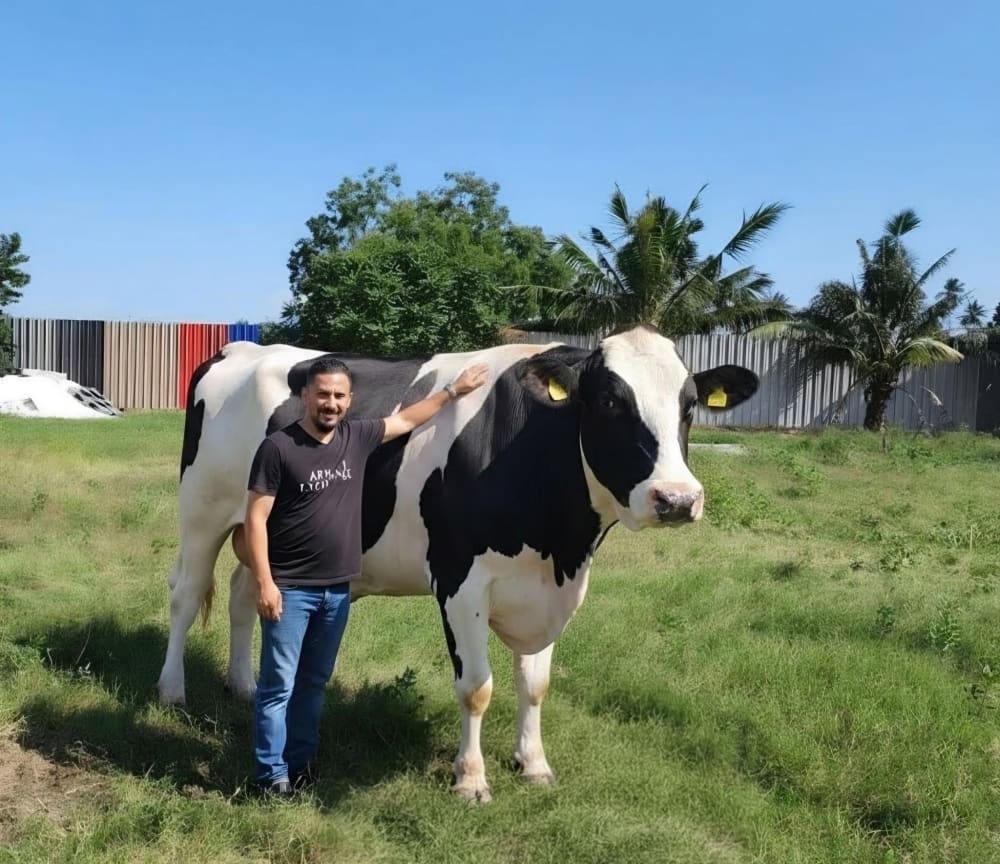
The farm currently holds 1,900 dairy cows, with more animals reaching milking age each month. Chief executive Qasem Alhasan said the herd will expand to 4,000 head by 2027, supporting a long-term ambition to deliver 12 million liters annually once the operation reaches full scale. That volume would mark a meaningful dent in Malaysia's dairy import bill, which has historically accounted for the bulk of domestic consumption.
Processing Plant on Track for Year-End Completion
Construction of an on-site milk processing facility is proceeding as planned, with completion scheduled for the fourth quarter of 2026. The plant will enable JDV to move beyond bulk milk sales and launch branded retail products in 2027. Alhasan said the company is focusing on quality assurance, branding, and distribution infrastructure before consumer goods hit shelves.
Target customers span families, health-conscious young professionals, and institutional buyers including cafes, restaurants, hotels, and food manufacturers. The strategy reflects a broader push to make domestically produced premium milk a viable alternative to imports, which have long dominated Malaysian retail coolers.
RM200 Million Investment Anchored by State and Federal Backing
Total capital deployed in the dairy valley is expected to surpass RM200 million, covering farm infrastructure, livestock acquisition, breeding technology, the processing plant, utilities, and ancillary facilities. The project is a joint effort involving the Johor state government, the East Coast Economic Region Development Council, and JDV Sdn Bhd, with an initial commitment of around RM80 million.
Of that sum, RM25 million has flowed into infrastructure development, with the majority of materials sourced from suppliers in Mersing and neighboring districts. JDV has created more than 60 jobs for local residents and engaged contractors, logistics firms, veterinary services, and traders across the supply chain. The economic ripple extends beyond direct employment, touching transport, feed supply, and equipment maintenance sectors.
Navigating Capital Intensity and Feed Costs
Alhasan acknowledged the sector's structural challenges. Dairy farming demands sustained capital outlays and long payback periods. Rising feed costs, scarce skilled labor, and the operational complexity of large-scale livestock management add layers of difficulty. Consumer appetite for fresh milk is growing, but converting that demand into stable revenue requires careful coordination of breeding cycles, veterinary care, and cold-chain logistics.
To manage these pressures, JDV is investing in automation and technology partnerships. The company is also exploring tie-ups with research institutions and equipment suppliers to improve feed efficiency and herd health, aiming to bring unit costs down as scale increases.
Export Ambitions and Food Security Mandate
Beyond the domestic market, JDV is eyeing export opportunities. Alhasan said the company plans to evaluate international markets over the next three to five years, positioning itself as a regionally competitive dairy integrator. The ambition aligns with Malaysia's broader food security agenda, which prioritizes reducing import dependence across key agricultural categories.
The Jemaluang project uses Jersey Friesian crossbred cows, a genetic combination selected for tropical adaptability and milk yield. The herd's performance will be closely watched by policymakers and industry participants assessing the viability of large-scale dairy production in equatorial climates, where heat stress and forage quality can constrain output.
What Comes Next
With the processing plant set to open by year-end and the herd expansion underway, 2027 will test JDV's ability to execute on branding, distribution, and product diversification. The company's success or struggle will offer a data point for other Southeast Asian markets weighing similar import substitution strategies in dairy. For now, the project is moving from construction phase to operational scale-up, and the next 18 months will determine whether the RM200 million bet translates into sustained market share.
RELATED STORIES
Malaysia's Rare Earth Deposits Draw Foreign Interest Ahead of China Export Controls
Priyanka V. Rao · 3 min
Penang Captures 34% of Malaysia's Manufacturing Investment in First Half
Anand Sundaram · 2 min
Malaysia's Petronas Reports Steady Earnings Amid Energy Security Push
Priyanka V. Rao · 2 min
Malaysia's July Trade Surge Points to Strengthening Regional Demand
Priyanka V. Rao · 3 min
Spot something wrong? Email editor@briefasia.com. We log every correction publicly.