Asia · Business
Japanese Workers Secure Third Consecutive Year of Wage Growth Above 5%
Rengo's final tally shows 5,368 member companies delivered an average 5.01% pay increase in 2026 spring wage negotiations
KEY TAKEAWAYS
- ·Workers at 5,368 companies affiliated with Rengo secured an average wage increase of 5.01% in 2026 spring negotiations.
- ·This marks the third consecutive year Japanese wage growth has exceeded 5%, breaking decades of stagnation.
- ·Sustained pay increases may support Bank of Japan's goal of embedding inflation expectations into the economy.
Historic Wage Momentum Continues
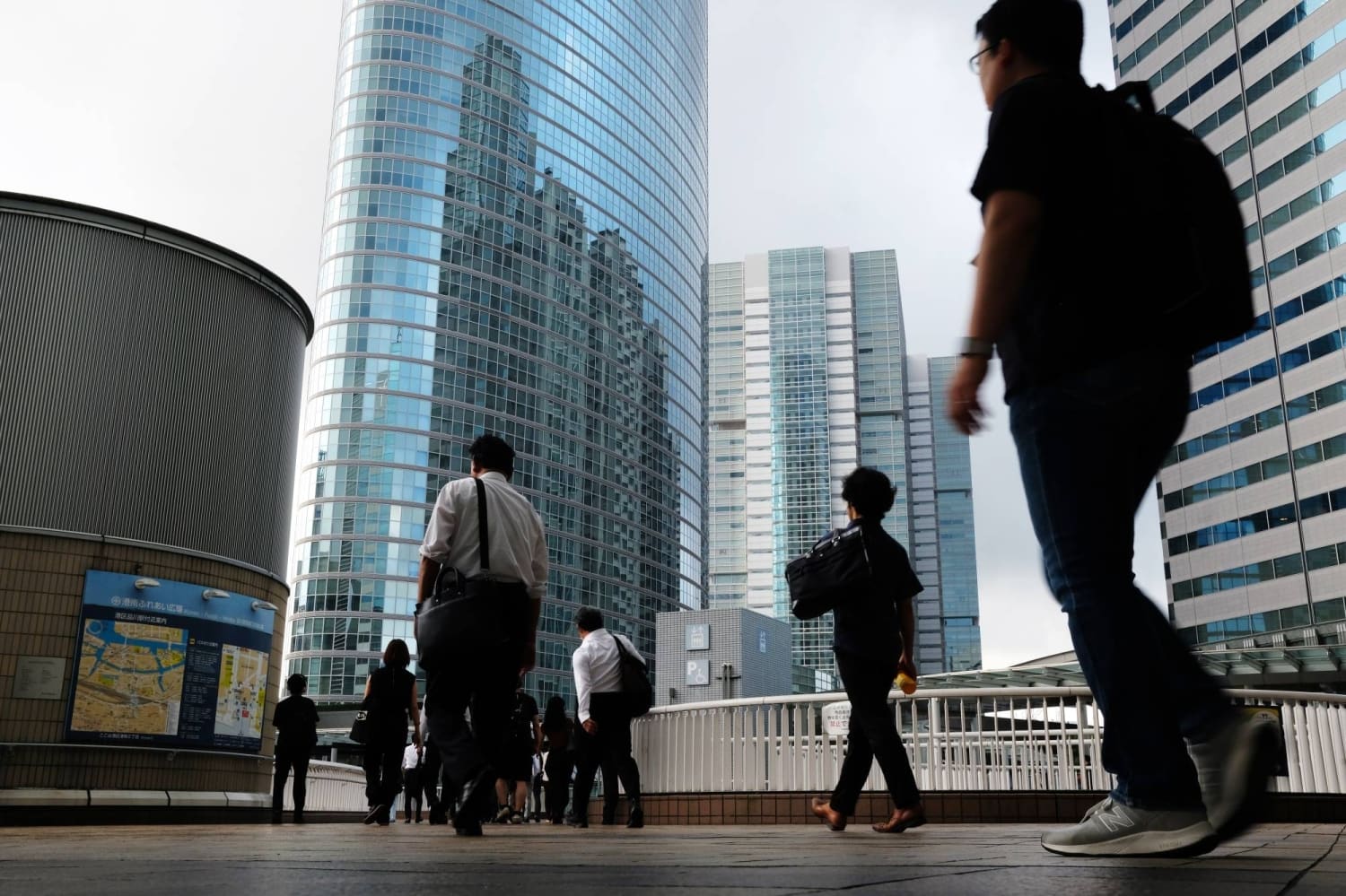
Japan's workforce has secured a third consecutive year of wage increases above the 5% threshold, a development that signals a fundamental shift in the country's compensation landscape after decades of stagnation. Rengo, Japan's largest trade union confederation, announced Friday that workers at 5,368 affiliated companies achieved an average pay raise of 5.01% in this year's spring wage negotiations.
The outcome represents more than a statistical milestone. For an economy that spent much of the past thirty years grappling with deflation and wage stagnation, three consecutive years of robust wage growth marks a potential inflection point in labor market dynamics. The spring wage offensive, known as shunto, has historically served as the primary mechanism through which Japanese workers negotiate annual pay increases, and this year's results suggest employers continue to face pressure to raise compensation despite broader economic uncertainty.
The Numbers Behind the Trend
The 5.01% figure reflects the average across thousands of companies spanning multiple sectors and sizes. While Rengo's membership includes both major corporations and smaller enterprises, the consistency of wage growth across this diverse base indicates that upward pressure on compensation has become widespread rather than concentrated in a handful of industries or blue-chip employers.
Japan's labor market has tightened considerably in recent years, with the unemployment rate hovering near multi-decade lows and demographic decline reducing the pool of available workers. Companies competing for talent have found themselves with limited options beyond raising wages, a departure from the traditional Japanese corporate preference for employment stability over pay growth.
Regional Context and Implications
The sustained wage growth in Japan stands in contrast to the more mixed compensation picture elsewhere in Asia. While some markets have seen robust salary increases driven by inflation or sector-specific booms, Japan's three-year streak above 5% is notable precisely because it breaks from the country's own historical pattern rather than simply tracking regional trends.
For policymakers at the Bank of Japan, the wage data provides crucial evidence that inflation expectations may finally be shifting. The central bank has long argued that sustainable inflation requires wage growth to support consumer spending and embed price increases into the economic structure. Three years of meaningful wage gains bring that scenario closer to reality, though questions remain about whether pay growth will continue if economic conditions deteriorate.
The implications extend beyond Japan's borders. As the world's third-largest economy, sustained wage growth in Japan could influence regional labor market expectations and corporate compensation strategies. Multinational firms operating across Asia may face pressure to align pay scales more closely with Japanese standards, particularly in sectors where talent is mobile across borders.
What Comes Next
The critical question is whether this momentum can be sustained into a fourth year. Several factors will shape the 2027 wage negotiations, including corporate profitability, inflation trends, and the broader global economic environment. Japan's export-oriented manufacturers remain sensitive to currency fluctuations and demand from key markets, particularly China and the United States.
Labor unions are likely to push for continued gains, emboldened by their success in recent rounds and aware that workers have become more willing to change employers in search of better compensation. The traditional Japanese employment model, built around lifetime employment and seniority-based pay, has been eroding gradually, and robust wage growth may accelerate that shift by making job mobility more attractive.
For now, the 2026 results confirm that Japan's wage growth trajectory remains intact, offering a measure of stability for workers navigating an uncertain economic landscape and providing policymakers with evidence that structural change in the labor market may finally be taking hold.
RELATED STORIES
Bank of Japan Signals Possible Rate Increase This Month
Aiko Nakamura · 3 min

Japan Wage Growth Hits 29-Year High, Reinforcing Central Bank Rate Path
Aiko Nakamura · 3 min
Bank of Japan Eyes Rate Increase as Inflation Risks Mount
Cheng Wei-Lun · 4 min

Berkshire Hathaway Eyes Larger Stakes in Japan's Top Trading Houses
Cheng Wei-Lun · 3 min
Spot something wrong? Email editor@briefasia.com. We log every correction publicly.