Finance · Markets
Japan and US Execute Rare Joint Intervention to Halt Yen's 40-Year Slide
Tokyo and Washington confirm coordinated currency action worth nearly $59 billion, warning markets they stand ready to act again as yen volatility threatens global bond markets
KEY TAKEAWAYS
- ·Japan and the United States executed coordinated yen-buying intervention worth an estimated $58.97 billion after the currency hit 40-year lows, the first bilateral action since 2011.
- ·Both governments warned they will not hesitate to intervene again, with the US Treasury offering to expand Fed liquidity facilities to support future operations without forcing Japanese Treasury sales.
- ·Structural pressures including the Japan-US interest rate gap and rising fuel costs continue to weigh on the yen despite intervention, with the BOJ's September rate decision now a key test.
Bilateral Currency Defense
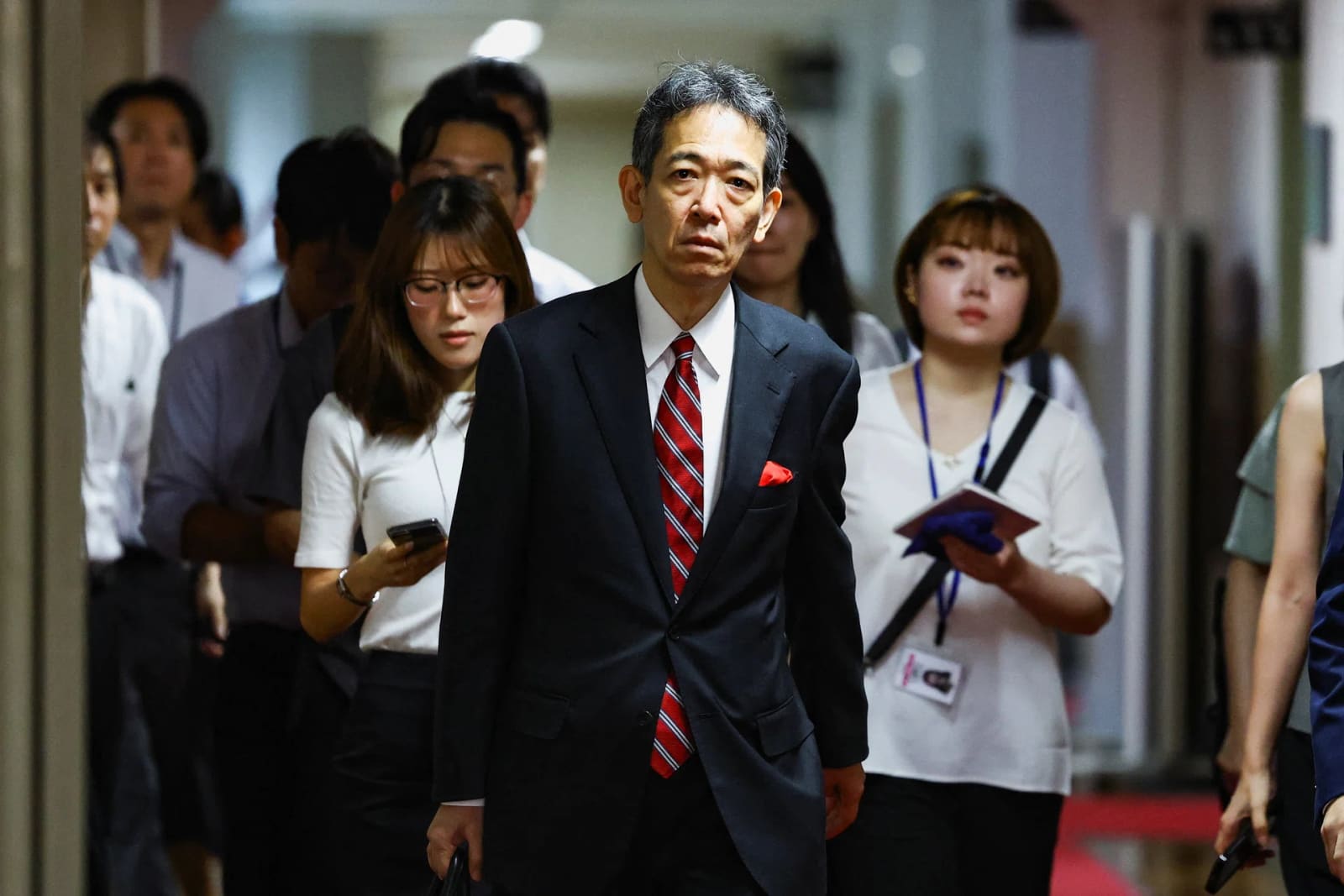
Japan's Ministry of Finance confirmed Monday that it executed coordinated yen-buying intervention with the US Treasury Department on Friday, marking the first bilateral currency action between the two allies since 2011. The intervention followed the yen's descent to 40-year lows against the dollar, with Tokyo deploying an estimated $58.97 billion in Thursday's New York trading session alone, according to Bank of Japan data.
The Ministry of Finance said the joint action countered excessive volatility and disorderly movements in the Japanese currency in recent months. Finance Minister Satsuki Katayama and top currency diplomat Atsushi Mimura both emphasized that authorities remain prepared to intervene again if needed.
US Treasury Secretary Scott Bessent confirmed Washington's participation, stating the administration strongly supports Japan's decisive steps to correct what he termed the substantial undervaluation of the yen. The dollar dropped 0.6 percent to an intraday low of 156.50 yen in Asian trading Monday following the official confirmation. Against the Singapore dollar, the yen strengthened roughly 3.5 percent from its pre-intervention level on July 30.
Strategic Calculation Behind Coordination
The joint intervention reflects concerns that unchecked yen weakness could trigger broader financial instability. Analysts note that a sell-off in Japanese government bonds, driven by yen depreciation, risks adding upward pressure on US Treasury yields at a time when Washington faces its own fiscal challenges.
President Donald Trump framed the intervention as an act of friendship, telling reporters Sunday that the United States is helping Japan prop up its currency to support the global economy. The political endorsement adds weight to what is typically a technical monetary operation.
Mimura characterized the action as the culmination of the Japan-US alliance, signaling that currency policy will align with Bank of Japan monetary decisions. The BOJ kept rates unchanged at 1 percent on July 31 but indicated it may raise rates again as soon as its September policy meeting, a timeline Bessent publicly endorsed when he repeated calls for further BOJ rate hikes.
Structural Headwinds Persist
The intervention faces skepticism from market watchers who question whether coordinated action can overcome the structural forces weighing on the yen. Japan's solo intervention between late April and early May produced only a temporary rebound, and the BOJ's June rate increase to a 31-year high of 1 percent similarly failed to provide lasting support.
Tsuyoshi Ueno, senior economist at NLI Research Institute, said the announcement effect of joint intervention carries more weight than solo action but noted that fundamentals driving yen weakness remain unchanged. Rising fuel costs linked to Middle East conflict and the persistent Japan-US interest rate differential continue to pressure the currency.
Tokyo's challenge is compounded by domestic political dynamics. Prime Minister Sanae Takaichi faces declining approval ratings as yen weakness pushes up import prices and stokes broader inflation, squeezing household budgets. The government has struggled to balance currency stability with the need to maintain export competitiveness for Japanese manufacturers.
Fed Liquidity Backstop
In a sign of deeper coordination, Bessent said the United States would consider expanding the Federal Reserve's repurchase facility that provides temporary dollar liquidity to foreign central banks. The tool, introduced in 2020 during the Covid-19 market turmoil, allows Japan to secure dollar funding without selling US Treasuries outright.
The Ministry of Finance highlighted access to this facility in a rare social media post Saturday, describing it as part of a broad toolkit to address market liquidity needs. The arrangement potentially eases funding pressures on Tokyo for future intervention operations while reducing the risk that Japanese Treasury sales could destabilize US bond markets.
The Fed facility currently provides a backstop, but expanding its size would signal Washington's commitment to supporting allied currency operations without forcing asset sales that could roil global fixed-income markets. For Tokyo, the arrangement offers a more sustainable mechanism for intervention than drawing down foreign exchange reserves alone.
Market participants will watch whether this coordinated framework can establish a credible floor under the yen or whether structural forces reassert themselves once the initial announcement effect fades. The BOJ's September policy decision looms as the next test of whether Japanese authorities can align monetary tightening with currency stabilization without derailing the economy's fragile recovery.
RELATED STORIES
Yen Climbs to Eight-Month High as Rate Hike Expectations Shift Sentiment
Jun-ho Seo · 3 min

Japan Wage Growth Hits 29-Year High, Reinforcing Central Bank Rate Path
Aiko Nakamura · 3 min

Japan's Central Bank and Markets Diverge on Rate Hike Trajectory
Aiko Nakamura · 3 min
Bank of Japan Prepares Third Rate Increase in Ten Months
Aiko Nakamura · 3 min
Spot something wrong? Email editor@briefasia.com. We log every correction publicly.